
When treating hyperthyroidism with traditional Chinese medicine, attention should be paid to the differentiation and treatment of symptoms, medication compatibility, dietary taboos, emotional regulation, and regular follow-up visits. Hyperthyroidism belongs to the category of gallbladder disease in traditional Chinese medicine, which is often related to the syndrome types of liver depression and heat transformation, yin deficiency and yang hyperactivity. The treatment plan needs to be adjusted according to individual differences.
1. Syndrome differentiation and treatment
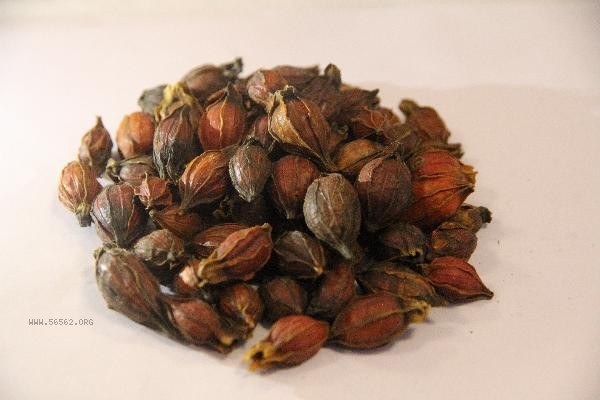
Traditional Chinese medicine divides hyperthyroidism into syndrome types such as liver fire hyperactivity, qi and yin deficiency, and phlegm and blood stasis. People with excessive liver fire often use modified Gardenia and Liver Clearing Decoction, while those with Qi and Yin deficiency often use Shengmai Powder combined with Xiaoluo Pill. For those with phlegm and blood stasis, Seaweed Yuhu Decoction is often chosen. Accurate differentiation should be based on tongue, pulse, symptoms, and other factors to avoid the misuse of warming and tonifying drugs that exacerbate Yin deficiency and excessive fire. Typical symptoms such as palpitations, hand tremors, and excessive sweating need to be analyzed in accordance with the syndrome type.
2. Drug compatibility
Iodine containing traditional Chinese medicines such as seaweed and kelp should be used with caution to avoid excessive intake of iodine that can worsen thyroid hormone synthesis. Huangyao Zi, Xiacao and other heat clearing and detoxifying medicines are often combined with nourishing yin medicines to prevent bitter cold from damaging the stomach. The traditional Chinese patent medicines and simple preparations Jiakangling Tablets and Xiaoying Wuhai Pills should be used jointly under the guidance of doctors, and the dosage should not be increased or decreased by yourself. If rash or abnormal liver function occurs during medication, it should be stopped immediately.
3. Dietary taboos
Avoid eating spicy and stimulating foods such as chili peppers and Sichuan peppercorns to avoid promoting liver fire. Limit the intake of high iodine foods such as kelp and seaweed, and control the daily amount of iodized salt. It is advisable to choose yin nourishing ingredients such as lilies and Tremella fuciformis, and consume selenium rich mushrooms and nuts in moderation. Avoid stimulating drinks such as strong tea and coffee that worsen palpitations.
4. Emotional regulation
Liver depression and qi stagnation are common pathological mechanisms of hyperthyroidism, which require soothing emotions through meditation, eight dan brocade, and other methods. To avoid long-term anxiety, anger, and other emotional stimuli, family members should cooperate to create a peaceful environment. People with insomnia at night can use Suanzaoren Tang to calm their nerves, and severe emotional fluctuations require psychological counseling intervention.
5. Regular follow-up
Thyroid function indicators should be rechecked every 2-4 weeks to observe the effect of traditional Chinese medicine on FT3 and FT4. The pulse changing from string count to fine and weak may indicate the recovery of qi and yin, and the prescription needs to be adjusted in a timely manner. If thyroid enlargement worsens or symptoms of protruding eyes appear, a consultation with a Western endocrinology department should be sought. Monitor blood routine and liver and kidney function monthly during the treatment period. Traditional Chinese medicine treatment for hyperthyroidism requires a 3-6 month course of treatment, combined with low-intensity exercise such as Tai Chi to promote qi and blood balance. Avoid staying up late and overworking, and pay attention to heatstroke prevention and cooling in summer. If there is significant weight loss or arrhythmia, seek medical attention promptly. Daily massage of acupoints such as Taichong and Sanyinjiao can assist in soothing the liver and regulating qi, but it cannot replace medication treatment.







Comments (0)
Leave a Comment
No comments yet
Be the first to share your thoughts!