
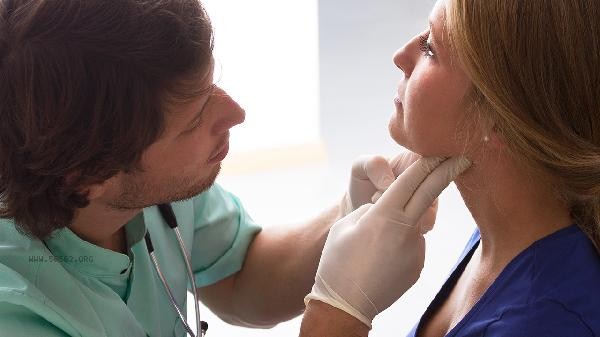
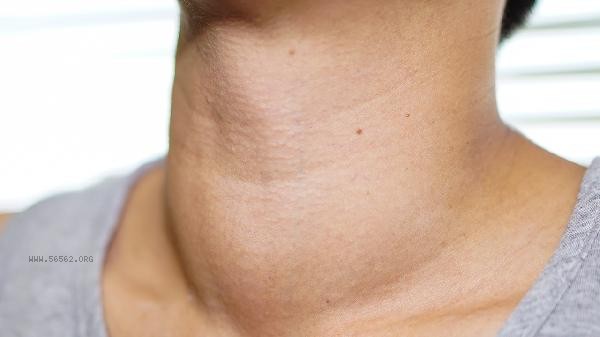
Physical examination revealed left lobe thyroid nodules with calcification, which can be treated through regular follow-up, ultrasound-guided fine needle aspiration biopsy, thyroid function examination, surgical resection, and radioactive iodine therapy. Thyroid nodules with calcification may be related to abnormal iodine intake, thyroid inflammation, thyroid tumors, and other factors, usually manifested as neck lumps, swallowing discomfort, and other symptoms.
1. Regular follow-up
It is recommended to have thyroid ultrasound every 6-12 months for nodules with small volume and no malignant signs. Re examination should observe changes in nodule size, morphology, and calcification type, and be vigilant for microcalcifications or gravel like calcifications. Avoid neck pressure in daily life and reduce intake of high iodine foods such as seaweed.
2. Fine needle aspiration biopsy under ultrasound guidance
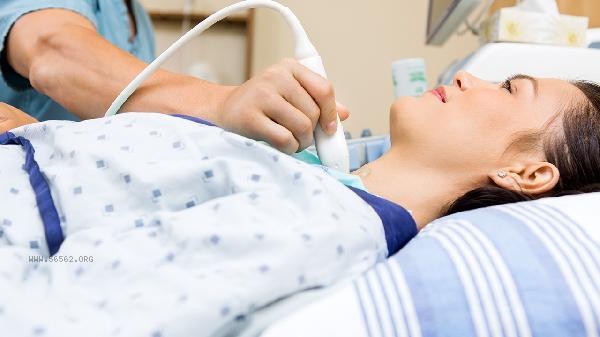
For nodules with a diameter exceeding 1 centimeter or suspicious ultrasound features, fine needle aspiration cytology examination is required. This examination can clarify the nature of nodules with a diagnostic accuracy rate of 90%. Anticoagulants should be discontinued for 3 days before operation, and after examination, the puncture site should be pressed for 15 minutes to prevent hematoma formation.
3. Thyroid function examination
requires the detection of serum TSH, FT3, and FT4 levels to assess thyroid function status. Patients with hyperthyroidism may experience palpitations and excessive sweating, which should be controlled with methimazole tablets; People with hypothyroidism may have a fear of cold and fatigue, and need to supplement with levothyroxine sodium tablets. One month before the examination, iodine containing contrast agents should be avoided.
4. Surgical resection
is required when pathological diagnosis confirms malignancy or nodule compression of the trachea and esophagus. Common surgical procedures include thyroidectomy and total thyroidectomy, which may require lifelong replacement therapy with levothyroxine sodium tablets. Preoperative evaluation of vocal cord function is necessary, and postoperative monitoring of blood calcium is important to prevent parathyroid damage.
5. Radioiodine therapy
is suitable for postoperative removal of residual thyroid tissue or treatment of metastatic lesions. Low iodine diet is required for 2 weeks before treatment, and isolation for 3-5 days after treatment to avoid radiation exposure. Contraception is prohibited during pregnancy, and contraception is required within six months of treatment. During this period, thyroid function should be monitored regularly to adjust medication dosage. After discovering thyroid nodules with calcification, anxiety should be avoided as most nodules are benign. Maintain a balanced diet in daily life, control iodine intake at around 150 micrograms per day, and follow a regular schedule to avoid staying up late. Quit smoking, limit alcohol consumption, reduce exposure to radiation sources, and undergo annual thyroid ultrasound follow-up. If there are compression symptoms such as hoarseness and difficulty breathing, seek medical attention immediately.








Comments (0)
Leave a Comment
No comments yet
Be the first to share your thoughts!