
Children who keep talking may be related to habitual clearing of the throat, allergic rhinitis, pharyngitis, tic disorders, psychological factors, etc. This type of behavior is often caused by physiological stimuli or mild pathological factors, and in rare cases, attention should be paid to neurological abnormalities.
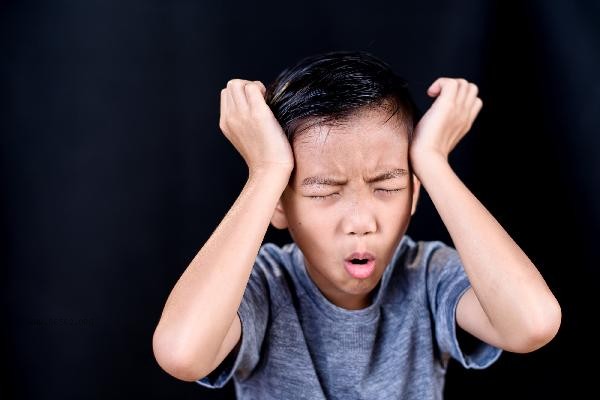
1. Habitual clearing of the throat
When children experience nasal discharge reflux or dry throat, they will clean their throat by frequently making loud noises. Commonly seen in situations such as dry air and insufficient drinking water, characterized by no phlegm or dry cough sound, and no other discomfort symptoms. Parents can increase indoor humidity and encourage their children to drink warm water in small amounts multiple times, which will mostly alleviate the situation on their own.
2. Allergic rhinitis
When allergens such as pollen and dust mites stimulate the nasal mucosa, it can lead to postnasal drip syndrome. The child repeatedly clears their throat due to secretion stimulation, often accompanied by nasal itching and rubbing movements. Keep away from allergens, rinse the nasal cavity with saline solution, and in severe cases, follow medical advice to use antihistamines such as loratadine syrup.
3. Chronic pharyngitis
Recurrent respiratory infections or long-term exposure to secondhand smoke may cause chronic inflammation of the throat. The proliferation of lymphoid follicles in the pharyngeal wall of a child can cause a foreign body sensation, manifested as continuous vocalizations accompanied by swallowing movements. It is recommended to avoid spicy food irritation, and use traditional Chinese patent medicines and simple preparations such as Lanqin Oral Liquid to relieve symptoms under the guidance of doctors when necessary.
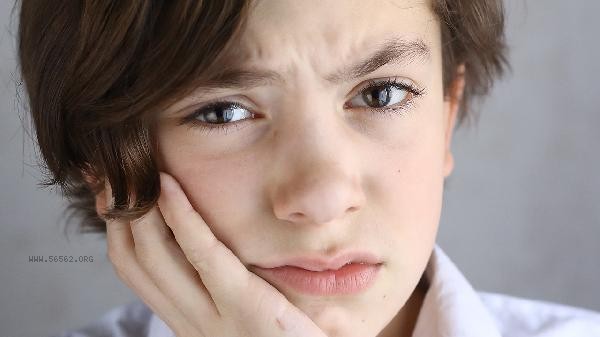
4. Transient Tourette Syndrome
Children aged 5-10 may experience motor tics due to mental stress, often accompanied by vocalizations such as blinking and shrugging. Most symptoms will disappear on their own within a few weeks. Parents should avoid excessive attention and create a relaxed family environment. In severe cases, professional psychological intervention is needed.
5. Psychological and behavioral abnormalities
When experiencing anxiety, imitating others, or seeking attention, some children may develop unconscious vocalization habits. Commonly seen in stages such as family changes and school adaptation, behavior often occurs in specific situations. Improvement can be achieved through methods such as distraction and positive motivation. If the condition persists for more than six months, a child psychological assessment is required.
It is necessary to observe whether the child has abnormal symptoms such as fever and decreased appetite in daily life, and record the frequency and triggers of vocalizations. Ensure daily moderate exercise to enhance physical fitness, avoid excessive cold and heat stimulation in diet, and maintain 50% -60% humidity in the bedroom. If the symptoms continue to worsen or affect daily life, it is recommended to seek medical attention as soon as possible to check for neurological disorders or developmental behavior problems, and avoid using cough suppressants to cover up the condition.




Comments (0)
Leave a Comment
No comments yet
Be the first to share your thoughts!