
The external treatment methods of Chinese medicine for allergic rhinitis mainly include acupoint application, moxibustion, acupuncture and moxibustion, massage, traditional Chinese medicine fumigation, etc. These methods alleviate symptoms by stimulating meridians, regulating qi and blood, and improving local circulation.

1. Acupoint application
Acupoint application is a method of preparing traditional Chinese medicine powder into a paste and applying it to specific acupoints. Common medicines include white mustard seed, Asarum, and Gansu Sui isothermal medicinal herbs. The application site should be selected from acupoints such as Dazhui, Feishu, Fengmen, etc. Medications can penetrate the skin and stimulate acupoints, which can alleviate symptoms of nasal congestion and runny nose. The application time is generally controlled within 2-4 hours, and those with sensitive skin need to shorten the time. Acupoint application is more effective during the summer dog days.
2. Moxibustion
Moxibustion achieves the effect of warming and unblocking meridians by stimulating acupoints with warmth. Common acupoints include Yin Tang, Ying Xiang, He Gu, etc., which are treated with mild moxibustion or ginger separated moxibustion. The thermal effect produced by moxibustion can improve local blood circulation in the nasal cavity and reduce mucosal edema. It is advisable to apply moxibustion for 10-15 minutes each time, and be careful to avoid burns. It has a significant effect on allergic rhinitis of deficiency cold type, and can alleviate symptoms of nasal itching and sneezing.
3. acupuncture and moxibustion
acupuncture and moxibustion regulates immune function by stimulating meridians. The main acupoints are often selected as Yingxiang, Yintang, Hegu, and the matching acupoints can be selected as Zusanli, Feishu, etc. Use the technique of tonifying and purging, and leave the needle on for 15-20 minutes. Acupuncture and moxibustion can inhibit the release of histamine, regulate the balance of Th1/Th2 cells, and improve the hyperresponsiveness of nasal mucosa. Treat 2-3 times a week, with 10 sessions per course of treatment. The effect is significant during the onset period of seasonal allergic rhinitis.

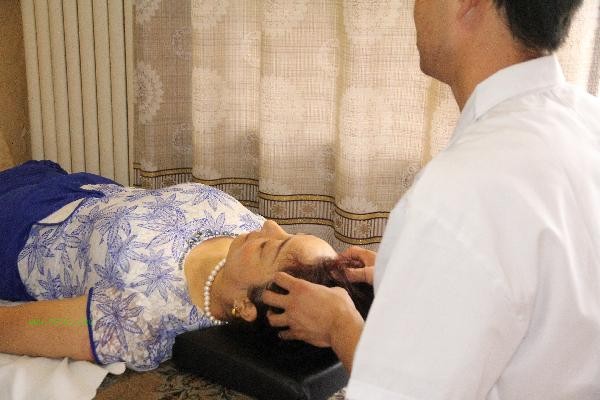
4. Tuina
Tuina stimulates the meridians and acupoints on the head and face through manual techniques. Common techniques include opening the Tianmen Gate, pushing the Kan Palace, kneading incense, etc., combined with remote acupoint selection such as taking the wind pool and kneading the Hegu. Tuina can unblock the meridians, qi, and blood in the nose, and promote the discharge of nasal secretions. Operate once in the morning and once in the evening, 10-15 minutes each time. Suitable for children and patients who are intolerant to acupuncture, it can relieve symptoms of nasal congestion and headache.
5. Traditional Chinese Medicine Fumigation
Traditional Chinese medicine fumigation is the use of steam to fumigate the nasal cavity after boiling medicinal herbs such as Xinyi, Cang Er Zi, Bai Zhi, etc. Drug vapor can directly act on the nasal mucosa, improve local microcirculation, and alleviate inflammatory reactions. The fumigation temperature should be controlled at 40-45 ℃ for 15-20 minutes each time. Be careful to avoid steam burns and keep warm after fumigation. It has a good effect on relieving nasal mucosal congestion and swelling.
Traditional Chinese medicine external treatment methods should be carried out under the guidance of professional physicians, and individualized plans should be adopted for different constitutions. During treatment, avoid contact with allergens, pay attention to keeping warm, and exercise appropriately to enhance physical fitness. Diet should be light and avoid consuming raw, cold, spicy, and stimulating foods. It can be combined with traditional Chinese medicine such as Yupingfeng Powder for oral adjustment, and in severe cases, it needs to be treated with Western medicine such as antihistamines. Regularly review and evaluate the efficacy, and adjust the treatment plan according to changes in symptoms.





Comments (0)
Leave a Comment
No comments yet
Be the first to share your thoughts!