
High blood pressure requires timely measures to be taken to reduce it, including medication treatment, lifestyle adjustments, and emergency response. Medication therapy can use nifedipine, captopril, or diuretics; Lifestyle adjustments include a low salt diet, moderate exercise, and stress reduction; Emergency response can include deep breathing, cold compress on the forehead, and resting in a still position.

1. Drug therapy is an effective means of rapidly lowering blood pressure. Nifedipine is a calcium channel blocker that can rapidly dilate blood vessels and lower blood pressure. It is usually effective within 15-30 minutes when taken sublingually. Captopril is an angiotensin-converting enzyme inhibitor that achieves a blood pressure lowering effect by inhibiting the production of vasoconstrictors. It takes effect 30-60 minutes after oral administration. Diuretics such as hydrochlorothiazide reduce blood volume by promoting urine excretion, thereby lowering blood pressure, and typically take effect within 1-2 hours. These drugs should be used under the guidance of a doctor to avoid adverse reactions caused by improper use.
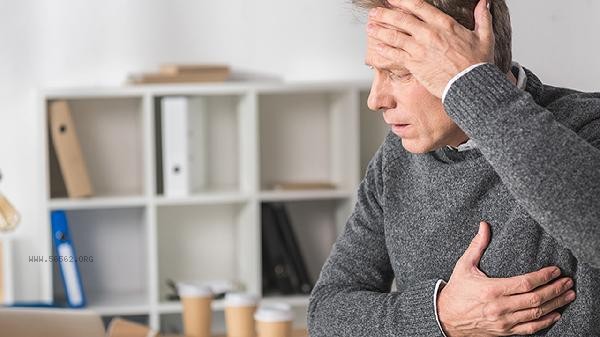
2. Lifestyle adjustments are crucial for long-term blood pressure control. A low salt diet is the foundation, and the daily salt intake should be controlled below 5 grams, avoiding pickled foods and high salt seasonings. Moderate exercise such as brisk walking, swimming, or cycling for at least 150 minutes per week can enhance cardiovascular function and lower blood pressure. Stress relief methods include meditation, yoga, or deep breathing exercises, which can be practiced for 10-15 minutes a day to help relieve mental stress and improve blood pressure levels. These adjustments require long-term persistence to achieve significant results.
3. Emergency response is applicable to situations where blood pressure suddenly rises. Deep breathing exercises can relax the body and mind, reduce sympathetic nervous system excitability, and thus alleviate elevated blood pressure. The specific method is to inhale slowly for 4 seconds, hold your breath for 4 seconds, exhale slowly for 6 seconds, and repeat 5-10 times. Cold compress on the forehead can stimulate skin receptors and reflexively lower blood pressure. Use a cold towel to apply on the forehead for 5-10 minutes. Resting in a quiet position can reduce the burden on the heart. Choosing a quiet environment to lie down for 15-30 minutes can help lower blood pressure. These methods are suitable for family emergencies, and if symptoms persist, prompt medical attention should be sought. High blood pressure requires comprehensive treatment, including medication, lifestyle adjustments, and emergency response. Drug therapy can use nifedipine, captopril, or diuretics, and should be used under the guidance of a doctor. Lifestyle adjustments include a low salt diet, moderate exercise, and stress reduction, which require long-term persistence. Emergency response can include deep breathing, cold compress on the forehead, and resting in a still position, suitable for family emergencies. If blood pressure continues to rise or severe symptoms appear, seek medical attention promptly to avoid delaying treatment. Regular monitoring of blood pressure and maintaining a healthy lifestyle are key to preventing and controlling hypertension.









Comments (0)
Leave a Comment
No comments yet
Be the first to share your thoughts!