
Tea drinks with good blood pressure lowering effects include hawthorn tea, chrysanthemum tea, and lotus leaf tea, which have the function of assisting in lowering blood pressure and are suitable for daily consumption by hypertensive patients. Hypertension is a common chronic disease, and in addition to medication treatment, dietary regulation is also an important means. As a natural beverage, choosing the appropriate type of tea can help control blood pressure.
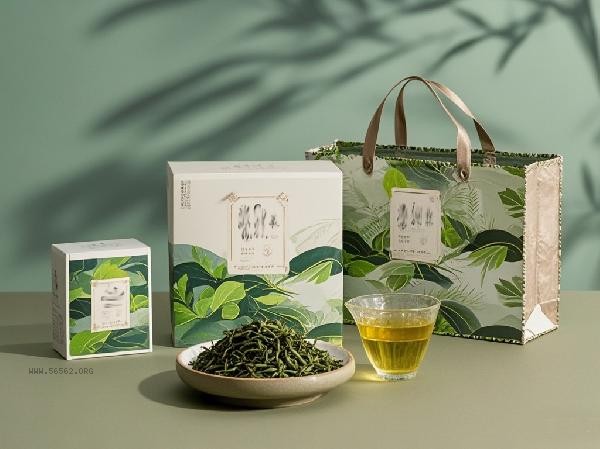
1. Hawthorn tea: Hawthorn is rich in flavonoids and vitamin C, which can dilate blood vessels, lower blood lipids, and thus have a blood pressure lowering effect. Brew 5 grams of dried hawthorn slices in boiling water, let it sit for 10 minutes, and then drink it 1-2 times a day. Hawthorn tea has a sweet and sour taste, suitable for postprandial consumption, but for those with excessive stomach acid, it should be consumed in moderation.
2. Chrysanthemum tea: Chrysanthemum glycosides and volatile oils in chrysanthemums have antihypertensive and sedative effects. Choose Hangbai chrysanthemum or fetal chrysanthemum, 3-5 pieces each time, brew with hot water at around 90 ℃, and drink after 5 minutes. Chrysanthemum tea has a pleasant fragrance and is suitable for drinking in the afternoon, but it is not advisable for those with weak or cold constitution to drink too much. 3. Lotus leaf tea: Lotus leaf alkaloids and flavonoids in lotus leaves can dilate blood vessels and reduce blood viscosity. Brew 3 grams of dried lotus leaves in boiling water, let it sit for 5 minutes, and then drink it once a day. Lotus leaf tea has a refreshing fragrance and can relieve greasiness, making it suitable for postprandial consumption. However, it should be used with caution for those with spleen and stomach deficiency and coldness.
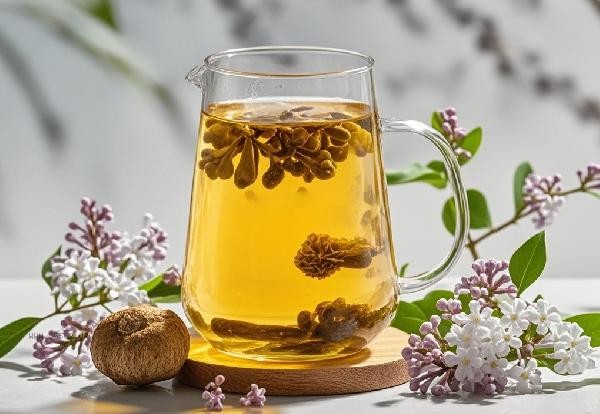
Hypertensive patients should pay attention to the following points when drinking antihypertensive tea: Firstly, tea drinks can only be used as an auxiliary means of lowering blood pressure and cannot replace drug treatment. Secondly, choose appropriate tea drinks based on personal constitution to avoid discomfort. Thirdly, control the amount of tea consumed, not exceeding 3 cups per day, to avoid affecting sleep. Fourth, monitor changes in blood pressure and adjust treatment plans in a timely manner. Hypertension is a chronic disease that requires long-term management. In addition to medication, lifestyle adjustments are equally important. Choosing suitable tea drinks as a daily health measure, combined with a balanced diet, moderate exercise, and regular sleep, can better control blood pressure. At the same time, regular physical examinations, monitoring of blood pressure changes, and timely adjustment of treatment plans are key to maintaining cardiovascular health. Through scientific lifestyle management and necessary medical interventions, hypertensive patients can effectively control their condition and improve their quality of life.








Comments (0)
Leave a Comment
No comments yet
Be the first to share your thoughts!