
Lowering blood pressure and blood lipids can be achieved by drinking specific tea drinks, such as lotus leaf tea, hawthorn tea, chrysanthemum tea, etc. These tea drinks are rich in natural active ingredients that can assist in regulating blood pressure and blood lipids. The specific methods include choosing appropriate tea drinks, controlling the amount of consumption, and combining a healthy lifestyle.
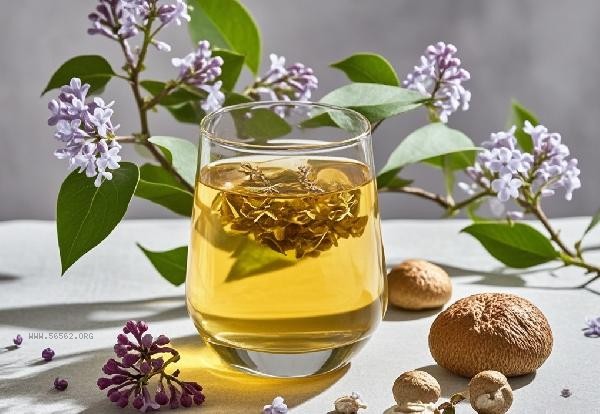
1. Lotus leaf tea: Alkaloids and flavonoids in lotus leaves have lipid-lowering and antihypertensive effects. Drinking 1-2 cups of lotus leaf tea every day can help reduce cholesterol and triglyceride levels in the blood, while also dilating blood vessels and improving blood circulation. Method of making: Take 5 grams of dried lotus leaves and steep in boiling water for 10 minutes.
2. Hawthorn tea: Hawthorn is rich in hawthorn acid and flavonoids, which can promote fat breakdown, lower blood lipids, and have a slight antihypertensive effect. Drinking one cup of hawthorn tea every day can help improve cardiovascular health. Method of making: Take 10 grams of dried hawthorn slices, steep in boiling water for 15 minutes, and add a small amount of honey for seasoning.

3. Chrysanthemum tea: Chrysanthemum glycosides and flavonoids in chrysanthemums have antioxidant and anti-inflammatory effects, which can help lower blood pressure and blood lipids. Drinking 1-2 cups of chrysanthemum tea every day can relieve vascular tension and improve blood circulation. Preparation method: Take 5 grams of dried chrysanthemums and steep them in boiling water for 10 minutes. Goji berries or red dates can be added to enhance their effectiveness.
4. Combining diet and exercise: While drinking tea, pay attention to controlling the intake of fat and salt in the diet, and eat more fiber rich vegetables and fruits. It is recommended to engage in at least 150 minutes of moderate intensity aerobic exercise per week, such as brisk walking, swimming, cycling, etc., which can help further reduce blood pressure and blood lipids.
5. Regular monitoring: Patients with hypertension and hyperlipidemia should regularly monitor their blood pressure and blood lipid levels, and adjust the type and amount of tea drinks according to the doctor's advice. For those with severe symptoms, tea drinks are only used as an auxiliary measure and medication treatment should still be carried out according to medical advice.
By choosing appropriate tea drinks, controlling consumption, and combining healthy lifestyles, it can effectively assist in reducing blood pressure and blood lipids. Persisting in long-term consumption and combining it with healthy habits can significantly improve cardiovascular health, but it should be noted that tea drinks are not drugs and cannot replace regular treatment. For patients with hypertension and hyperlipidemia, it is recommended to develop personalized conditioning plans under the guidance of a doctor to ensure safety and effectiveness.








Comments (0)
Leave a Comment
No comments yet
Be the first to share your thoughts!