
Health check ups usually require examination of blood routine, urine routine, liver function, kidney function, blood glucose, electrocardiogram, chest X-ray, abdominal ultrasound and other items. The core items of health check ups mainly include blood routine, urine routine, liver function examination, kidney function examination, imaging examination, etc.
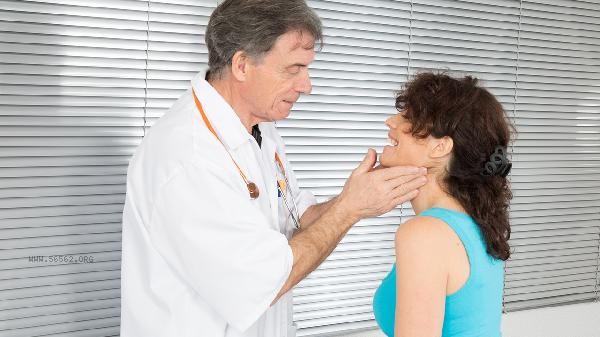
1. Blood routine
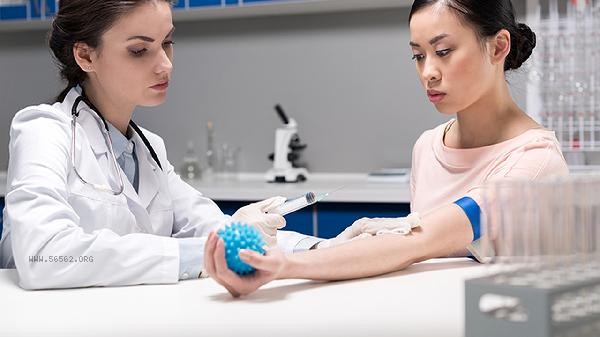
Blood routine is a basic item of health examination. By detecting indicators such as red blood cells, white blood cells, platelets, etc., it can preliminarily determine whether there is anemia, infection, or blood system diseases. Blood routine can reflect the hematopoietic function of the body, abnormal hemoglobin values may indicate iron deficiency anemia, and elevated white blood cell counts are often associated with bacterial infections. Before blood routine examination, fasting is not necessary, but vigorous exercise should be avoided. After blood collection, the needle hole should be pressed for 3-5 minutes.
2. Urine routine
Urine routine examination can evaluate the health status of the urinary system, including indicators such as urine protein, urine sugar, and urine occult blood. Positive urinary protein may indicate kidney damage, abnormal urine sugar needs to be alert to diabetes, and urinary occult blood may be related to urinary tract infection or stones. When collecting urine samples, it is necessary to clean the perineum and take mid stream urine for testing. Women should avoid the menstrual period. Routine urine test is helpful for early detection of metabolic diseases such as chronic kidney disease and diabetes.
3. Liver function
Liver function examination evaluates liver metabolic capacity by detecting indicators such as alanine aminotransferase, aspartate aminotransferase, and total bilirubin. Elevated transaminase levels are common in viral hepatitis and fatty liver, and abnormal bilirubin levels may indicate biliary obstruction or hemolytic disease. Before the examination, it is necessary to fast for 8-12 hours and avoid drinking alcohol and greasy food. Individuals with abnormal liver function need to undergo further hepatitis virus screening or liver ultrasound examination to determine the cause.
4. Renal Function
Renal function tests mainly detect indicators such as blood creatinine, urea nitrogen, and uric acid, which can reflect renal filtration and excretion function. Elevated blood creatinine indicates a decrease in glomerular filtration rate, while high uric acid may trigger gout. Three days before the examination, high protein diet should be avoided, and patients with chronic kidney disease should regularly monitor urinary microalbumin. Abnormal renal function may be caused by diseases such as diabetes nephropathy and hypertensive nephropathy.
5. Imaging examinations
Basic imaging examinations include chest X-ray and abdominal ultrasound. Chest X-ray can screen for lesions such as tuberculosis and lung mass, while abdominal ultrasound can detect diseases such as fatty liver and gallstones. People over 40 years old are recommended to increase low-dose lung CT screening for lung cancer, and women should undergo regular breast ultrasound or mammography examinations. Metal objects should be removed before imaging examinations, and pregnant women should avoid X-ray examinations. After a health check-up, lifestyle adjustments should be made based on the examination results. Individuals with abnormal blood routine should increase their intake of foods rich in iron and vitamin B12. For those with abnormal liver function, alcohol intake should be limited and weight should be controlled. For those with abnormal kidney function, a high salt and high protein diet should be restricted. It is recommended to have a comprehensive physical examination every year, and patients with hypertension and diabetes should review relevant indicators every 3-6 months. When abnormal indicators are found during physical examination, timely medical attention should be sought, and specialized examinations or treatment interventions should be improved under the guidance of a doctor.








Comments (0)
Leave a Comment
No comments yet
Be the first to share your thoughts!