
Traditional Chinese Medicine (TCM) treatment for insomnia usually recommends seeking treatment from TCM internal medicine or TCM brain disease department, which may be related to factors such as emotional disorders, insufficient qi and blood, yin deficiency and excessive fire, spleen stomach disharmony, and heart kidney dysfunction. Insomnia patients can improve their symptoms by means of traditional Chinese medicine conditioning, acupuncture and moxibustion, massage, etc.
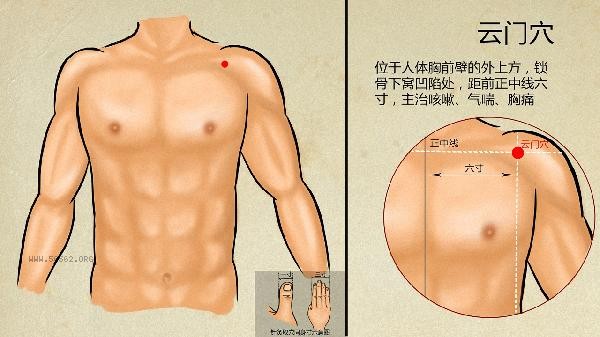
1. Traditional Chinese Medicine Internal Medicine
Traditional Chinese Medicine Internal Medicine is a common department for treating insomnia, and doctors will diagnose and treat patients based on their specific symptoms and constitution. Insomnia may be related to long-term mental stress, emotional fluctuations, and other factors, manifested as symptoms such as difficulty falling asleep, shallow sleep, and easy awakening. Traditional Chinese medicine physicians may prescribe Chinese herbal formulas such as Suanzaoren Tang, Guipi Wan, Tianwang Buxin Dan, etc., to help regulate qi, blood, and organ function. It is recommended that patients maintain a regular daily routine during treatment and avoid overexertion.
II. Traditional Chinese Medicine Brain Disease Department
Traditional Chinese Medicine Brain Disease Department mainly targets insomnia symptoms related to the nervous system, such as sleep disorders caused by insufficient blood supply to the brain, neurasthenia, etc. Insomnia may be related to the imbalance of qi and blood circulation in the brain, often accompanied by symptoms such as dizziness, forgetfulness, and lack of concentration. Doctors may take drugs such as Anshen Dingzhi Pill and Baizi Yangxin Pill, together with acupuncture and moxibustion on the head or ear points pressing beans. Patients should avoid excessive use of their brains before bedtime and create a quiet and comfortable sleeping environment.
III. acupuncture and moxibustion and Massage Department
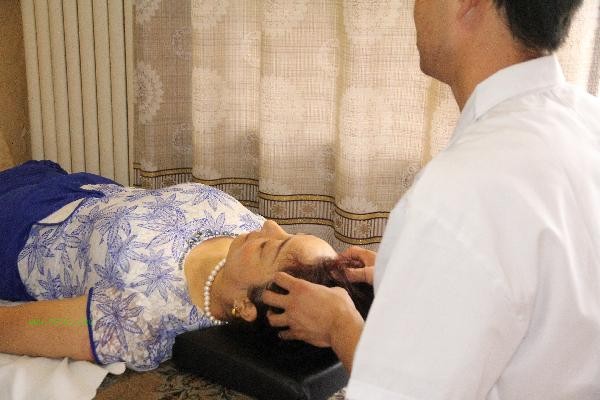
The acupuncture and moxibustion and Massage Department can improve insomnia by regulating meridian qi and blood through external stimulation. Insomnia may be related to meridian blockage or poor qi and blood circulation, manifested as symptoms such as frequent dreaming, early awakening, and poor sleep quality. Doctors may choose acupoints such as Baihui, Shenmen, and Sanyinjiao for acupuncture or moxibustion, or use head massage and foot reflex therapy. During the treatment, the patient should avoid receiving acupuncture and moxibustion on an empty stomach or in a state of satiety, and cooperate with the doctor for acupoint pressing.

Section 4: Traditional Chinese Medicine Emotions Department
Traditional Chinese Medicine Emotions Department specializes in dealing with insomnia caused by emotional factors. Insomnia may be related to liver qi stagnation and restlessness, often accompanied by emotional symptoms such as anxiety, depression, and irritability. Doctors may prescribe formulas such as Chaihu Shugan San and Ganmai Dazao Tang to soothe the liver and relieve depression, combined with interventions such as emotional counseling and music therapy. Patients can use soothing exercises such as Ba Duan Jin and Tai Chi to assist in regulating their emotions.
Fifth, Traditional Chinese Medicine Comprehensive Department
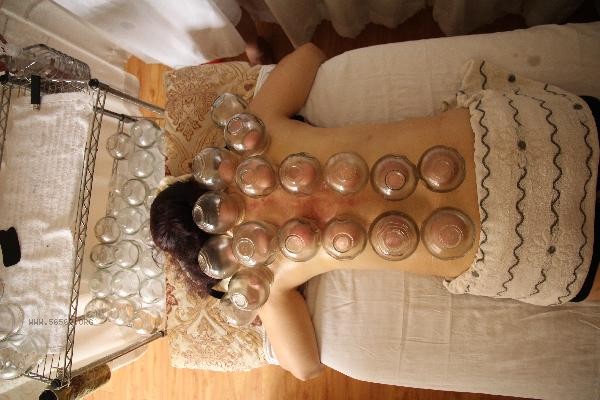
Traditional Chinese Medicine Comprehensive Department is suitable for patients with complex and stubborn insomnia. Insomnia may be related to the superposition of various organ dysfunction, manifested as long-term sleep disorders accompanied by various physical discomforts. Doctors will use a combination of traditional Chinese medicine, acupuncture and moxibustion, cupping and other means, such as Jiaotai Pill combined with cupping at the back shu point. Patients need to keep detailed sleep diaries for doctors' reference, and avoid taking sedative drugs on their own during treatment.
Insomnia patients can record sleep logs such as sleep onset time and awakening frequency for a week before seeking medical attention, helping doctors accurately assess their condition. In daily life, the bedroom temperature should be kept appropriate and the lighting should be soft. Dinner should not be too full, and vigorous exercise and electronic device use should be avoided 2 hours before bedtime. If insomnia persists for more than one month or is accompanied by severe daytime dysfunction, it is recommended to seek medical evaluation as soon as possible. During traditional Chinese medicine treatment, it is necessary to follow the doctor's advice to complete the course of treatment and avoid changing medication or interrupting treatment at will.





Comments (0)
Leave a Comment
No comments yet
Be the first to share your thoughts!