
When patients with knee arthritis seek medical advice, they are usually recommended to go to the Department of Orthopaedics and Traumatology of TCM or the Department of acupuncture and moxibustion and Massage. Knee arthritis may be related to factors such as joint degeneration, invasion of wind cold and dampness pathogens, and chronic strain, manifested as symptoms such as joint pain, swelling, and limited mobility.
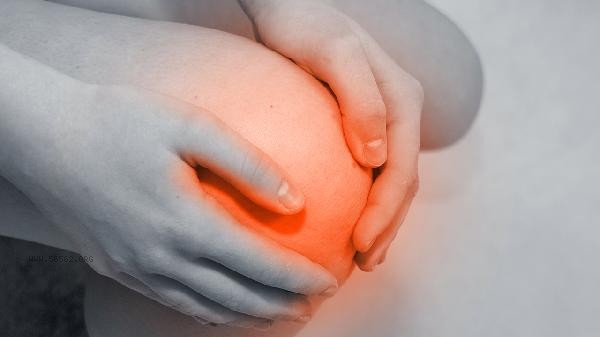
1. Traditional Chinese Medicine Orthopedics
Traditional Chinese Medicine Orthopedics mainly focuses on the diagnosis and treatment of bone and joint diseases, and improves the symptoms of knee arthritis through manual reduction, oral and external application of traditional Chinese medicine, and other methods. Common prescriptions include Duhuo Parasitic Decoction, Guizhi Shaoyao Zhimu Decoction, etc., which can be combined with traditional Chinese medicine fumigation or plaster application. If there is joint displacement or tendon injury, doctors may use small splints for fixation or traction treatment. Patients should avoid prolonged standing and walking, and pay attention to keeping their joints warm.
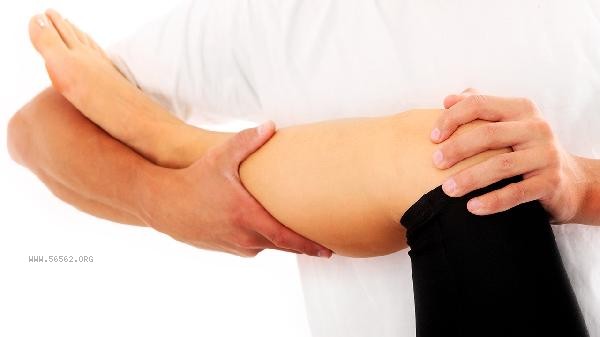
2. acupuncture and moxibustion and Massage Department
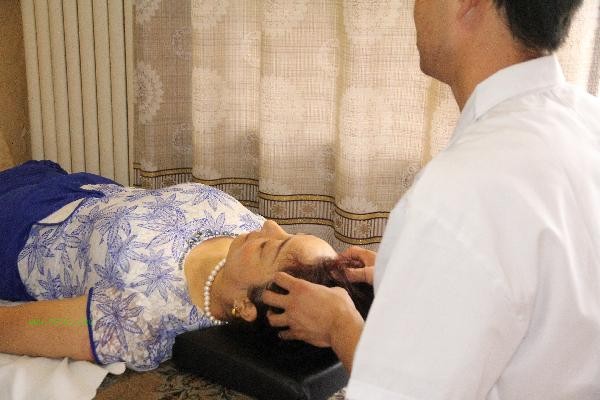
acupuncture and moxibustion and Massage Department dredges the meridians and blood through acupuncture points, moxibustion and massage techniques. Often select acupoints around the knee joint, such as the Du Bi acupoint and the Yang Ling Quan acupoint, and combine them with cupping or scraping therapy. Tuina can use techniques such as rolling and kneading to loosen muscle adhesions and improve joint mobility. During the treatment period, it is recommended to exercise with gentle guidance techniques such as Baduanjin, but joint weight-bearing should be reduced during acute attacks. Patients with knee arthritis can engage in moderate low impact exercises such as swimming and cycling in daily life, and avoid climbing stairs or squatting. It is advisable to increase the intake of spleen strengthening and kidney tonifying ingredients such as yam and black beans in the diet, and reduce the consumption of raw, cold, and greasy foods. Pay attention to keeping the knee joints warm in winter, and use knee pads for auxiliary support. If there is obvious redness, swelling, heat pain or deformity in the joints, timely re examination and adjustment of the treatment plan should be carried out.




Comments (0)
Leave a Comment
No comments yet
Be the first to share your thoughts!