
In traditional Chinese medicine theory, qi and blood are the two fundamental substances that constitute human life activities. They are interdependent and transform with each other, jointly maintaining physiological functions. Qi is the leader of blood, and blood is the mother of qi. It is mainly reflected through the relationship between qi being able to generate blood, qi being able to produce blood, qi being able to absorb blood, blood being able to carry qi, and blood being able to nourish qi.

1. Qi can generate blood
The movement and changes of qi are the driving force for blood generation. The qi of the organs promotes the conversion of dietary water and grains into nourishing qi, which then transforms into blood. If qi deficiency occurs, it may lead to blood deficiency, manifested as pale complexion, palpitations, and fatigue. Traditional Chinese medicine such as Huangqi and Danggui can be used to regulate qi and blood production, such as Huangqi granules and Danggui blood supplement oral liquid.
2. Qi can promote blood circulation
Qi maintains blood circulation through its pushing effect, while heart qi promotes blood vessels and lung qi to help the heart circulate blood, and liver qi to clear and regulate qi flow. When there is qi stagnation or qi deficiency, blood stasis is prone to occur, manifested as fixed pain and dark purple tongue. Blood activating and stasis removing drugs such as Xuefu Zhuyu Capsules and Compound Danshen Tablets can be used according to medical advice.
3. Qi can absorb blood
The temperament controls the circulation of blood within the pulse, preventing it from escaping outside the pulse. When the spleen is weak, bleeding symptoms such as bloody stool and metrorrhagia may occur. It is necessary to reinforce the spleen and replenish qi, such as Guipi Pill, Ginseng Jianpi Pill and other traditional Chinese patent medicines and simple preparations, together with moxibustion at Zusanli and other acupoints to enhance the retention effect.
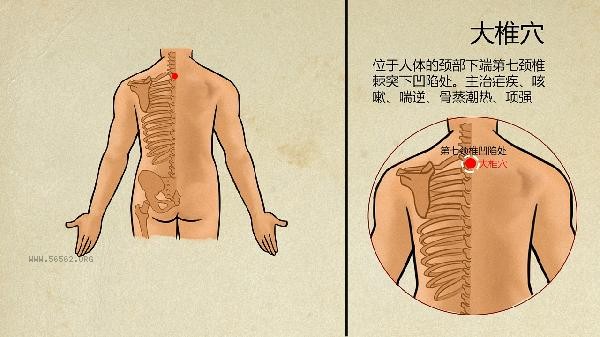
4. Blood can carry qi
Blood provides a carrier for the attachment and movement of qi. When blood is deficient, qi is easily lost without attachment, leading to shortness of breath, sweating, fatigue, and dizziness. Commonly seen in patients with blood loss or prolonged illness, one can choose qi and blood dual supplementation preparations such as Bazhen granules and Shiquan Dabu pills, supplemented by dietary therapies such as red dates and longan meat.
Fifth, blood can nourish qi
Blood indirectly nourishes qi by nourishing organs and tissues, and when blood is abundant, qi is abundant. Long term malnutrition or chronic blood loss may lead to deficiency of both qi and blood, accompanied by dry hair and numbness of limbs. It is recommended to take pig liver, wolfberry and other blood tonic ingredients, and use ass hide glue blood tonic oral liquid and other drugs to improve.
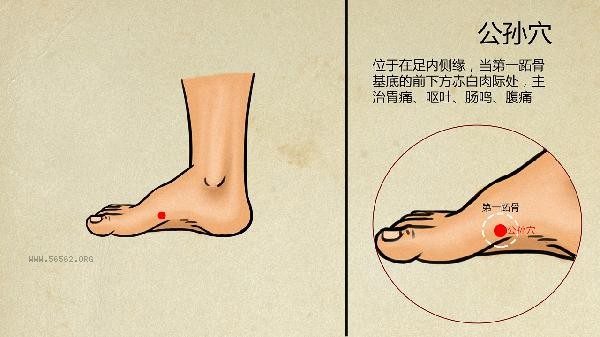
Regular daily routines and moderate exercise (such as Tai Chi and Ba Duan Jin) can be used to regulate qi and blood, avoiding damage to spleen and stomach function caused by raw, cold, greasy foods. If there are long-term symptoms of qi and blood imbalance such as dull complexion and menstrual disorders, it is recommended to seek medical attention at a traditional Chinese medicine department and receive treatment based on the combination of the four diagnostic methods and reference points. When there is an imbalance in the relationship between qi and blood, complex syndromes of deficiency and excess may occur. It is necessary to comprehensively regulate the tongue and pulse under the guidance of a professional physician, and not to abuse tonics on one's own.





Comments (0)
Leave a Comment
No comments yet
Be the first to share your thoughts!