
Traditional Chinese medicine believes that urticaria is mainly caused by invasion of wind pathogens, blood heat accumulation, spleen and stomach imbalance, insufficient qi and blood, and emotional disorders. It can be treated by clearing wind and heat, harmonizing qi and blood, strengthening the spleen and eliminating dampness, and other methods.
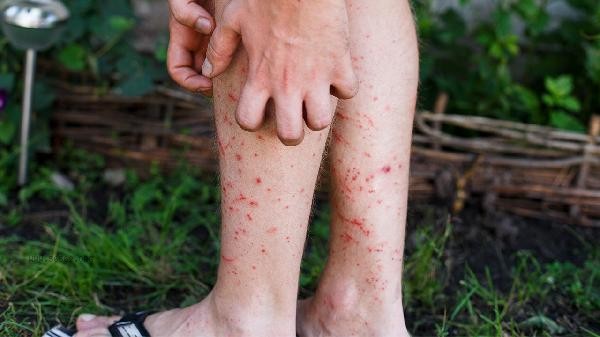
1. Invasion of Wind Pathogens
External invasion of wind pathogens is a common cause of urticaria, characterized by sudden wheals of the skin, severe itching, and worsening when exposed to wind. Wind evil often combines with cold and heat to form wind cold or wind heat syndrome types. The treatment mainly focuses on dispelling wind. For wind cold type, Guizhi Tang can be modified, and for wind heat type, Xiaofeng San can be selected. When accompanied by symptoms such as chills, fever, headache, etc., it is necessary to use topical medications.
2. Blood heat accumulation
Excessive blood heat leads to disharmony between the camp and the defense, resulting in red wheals with a burning sensation on the skin and obvious itching at night. Mostly caused by overeating spicy food or emotional heat. Treatment requires cooling blood and detoxification, and commonly used rhinoceros horn and rehmannia decoction is modified. If you experience dry mouth and throat, red tongue and lack of fluids, you can use nourishing yin drugs such as Zhibai Dihuang Pills.
3. Spleen and stomach disorders
Spleen deficiency and dampness or gastrointestinal stagnation can induce urticaria, manifested as recurrent wheals and abdominal distension. Irregular diet or excessive consumption of raw and cold food can damage the digestive and digestive functions. The treatment is suitable for strengthening the spleen and dispelling dampness. The combination of Shenling Baizhu Powder and Baohe Pill is commonly used. When accompanied by loose stools and loss of appetite, it is necessary to strengthen warming and tonifying spleen yang.
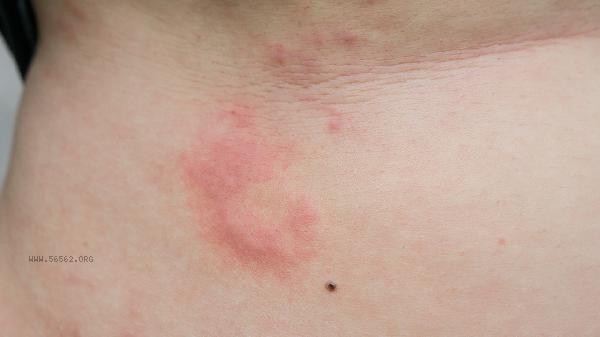
4. Deficiency of Qi and Blood
Prolonged illness or excessive blood loss can lead to deficiency of Qi and blood, unstable external defense, pale color of wind masses, and persistent failure to heal. Symptoms worsen after fatigue. The treatment requires nourishing qi and strengthening the surface, with Yupingfeng Powder combined with Siwu Tang as the main formula. For those with pale complexion, fatigue, and palpitations, Guipi Pill can be added for conditioning.
5. Emotional disorders
Liver depression, qi stagnation, and emotional disorders can lead to urticaria, with wheals occurring with emotional fluctuations, accompanied by chest and rib distension. Long term mental stress is an important trigger. The treatment requires soothing the liver and relieving depression, Xiaoyao Powder combined with acupuncture and moxibustion at Taichong point. Insomnia and anxiety sufferers can add Suanzaoren Tang to calm their nerves.
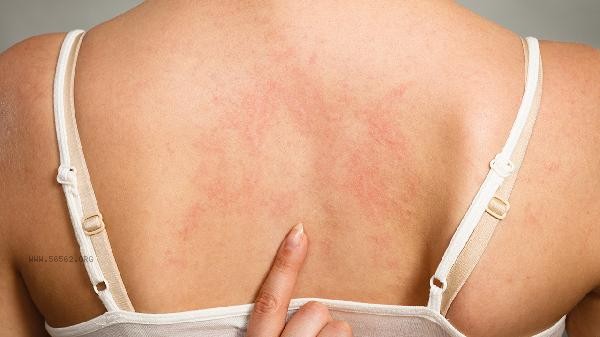
Urticaria patients should avoid spicy and stimulating foods, maintain a light diet, and consume moisture reducing ingredients such as coix seed and adzuki beans in moderation. Pay attention to keeping warm and avoiding wind, regulate emotional stress, and maintain a regular schedule. During acute attacks, honeysuckle and white fresh skin decoction can be washed externally to relieve itching. Chronic patients need to adhere to traditional Chinese medicine conditioning, combined with moxibustion at acupoints such as Zusanli and Xuehai, to enhance their physical fitness. When symptoms persist or worsen, timely medical attention should be sought, and integrated traditional Chinese and Western medicine treatment can improve efficacy.





Comments (0)
Leave a Comment
No comments yet
Be the first to share your thoughts!