
The roughness of the gallbladder wall may be caused by factors such as cholecystitis, gallstones, gallbladder polyps, cholesterol deposition, gallbladder adenomyosis, etc. It can be intervened through ultrasound follow-up, medication treatment, dietary adjustments, surgical resection, regular follow-up, and other methods.
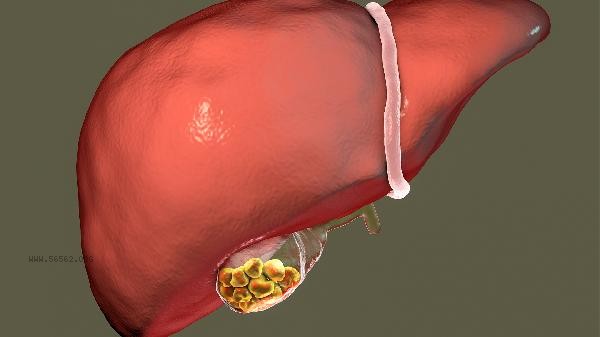
1. Cholecystitis
Cholecystitis is the most common cause of rough gallbladder wall, often related to bacterial infection or bile stasis. During an acute attack, symptoms such as severe pain in the upper right abdomen, fever, nausea, and vomiting may occur. Diagnosis requires a combination of blood routine and ultrasound examination. Treatment can include drugs such as ceftriaxone sodium injection, racemic scopolamine tablets, and ursodeoxycholic acid capsules. Patients with chronic cholecystitis need to have a low-fat diet for a long time and avoid greasy foods that can irritate them.
2. Gallbladder stones
Friction between gallbladder stones and mechanical damage to the gallbladder wall can lead to rough walls, often accompanied by symptoms such as right upper abdominal pain and bloating after meals. Ultrasound examination can clarify the size and quantity of stones. Asymptomatic small stones can be observed temporarily. For symptomatic patients, it is recommended to take anethole trisulfate tablets, Danning tablets, anti-inflammatory and choleretic tablets, etc. to promote bile excretion. If the diameter of the stone exceeds 10 millimeters or recurs, laparoscopic cholecystectomy should be considered.
3. Gallbladder polyps
Cholesterol polyps or inflammatory polyps may cause local thickening and roughness of the gallbladder wall during growth. Most polyps have no obvious symptoms, and ultrasound examination shows protruding lesions attached to the gallbladder wall. Polyps with a diameter less than 10 millimeters can be rechecked every six months, while polyps with rapid growth or accompanied by gallstones require cholecystectomy. The therapeutic effect of medication is limited, and the use of Danshu capsules can be attempted to assist in improving bile metabolism.
4. Cholesterol deposition syndrome
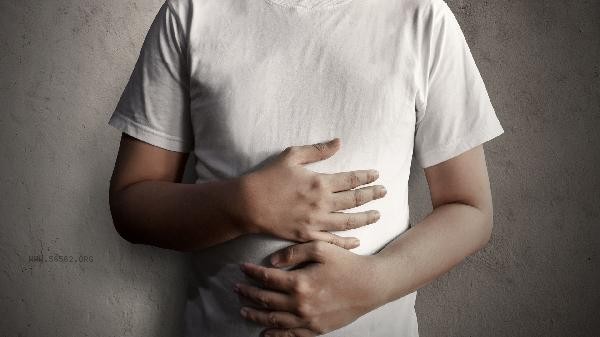
Cholesterol crystal deposition in the gallbladder wall can lead to characteristic strawberry like "roughness" changes, which is a metabolic disease. Patients usually only have mild symptoms of indigestion, and ultrasound shows diffuse thickening of the gallbladder wall with punctate strong echoes. Adjusting dietary structure to reduce cholesterol intake is key, and drugs such as chenodeoxycholic acid capsules and compound Dantong tablets can be used in combination to promote cholesterol dissolution.
5. Gallbladder adenomyosis
is a localized or diffuse lesion caused by the proliferation of the gallbladder wall muscle layer, characterized by wall thickening and small cystic structures on ultrasound. Common symptoms include bloating in the upper right abdomen and discomfort after a fatty meal. Diagnosis requires a combination of contrast-enhanced ultrasound or magnetic resonance imaging. Mild lesions can be observed and followed up, while those with obvious symptoms or suspected malignant transformation require surgical resection. Drug therapy can choose to use Tripitabine tablets to alleviate biliary spasms. After discovering that the gallbladder wall is rough, it is recommended to maintain a low-fat and light diet, with daily oil consumption controlled within 25 grams, and avoid high-risk foods such as animal organs and fried foods. Eating breakfast regularly can help empty bile, and it is recommended to choose healthy cooking methods such as steaming. Moderate exercise such as brisk walking, swimming, etc. can improve bile metabolism, but it is necessary to avoid inducing biliary colic through vigorous exercise. Follow up ultrasound monitoring every 3-6 months to monitor changes in the condition. If there are persistent warning symptoms such as abdominal pain, jaundice, weight loss, etc., seek medical attention promptly. Smoking cessation and alcohol restriction have a positive effect on preventing the progression of gallbladder lesions, while also paying attention to controlling metabolic indicators such as blood sugar and blood lipids.








Comments (0)
Leave a Comment
No comments yet
Be the first to share your thoughts!