
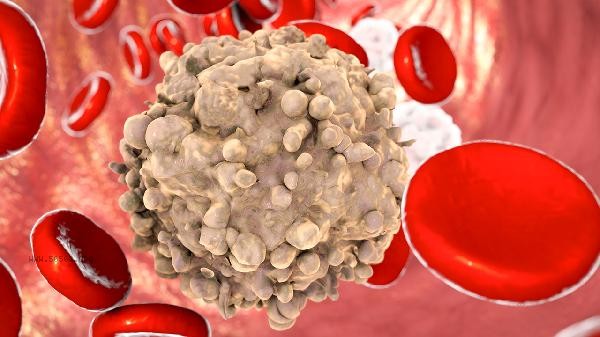
The high white blood cell count found during physical examination may be related to physiological or pathological factors, mainly including vigorous exercise, pregnancy reactions, bacterial infections, viral infections, blood system diseases, and other reasons. It is recommended to make a comprehensive judgment based on other examination indicators and clinical symptoms, and seek medical attention promptly if necessary.
1. Intense exercise
High intensity exercise can lead to an increase in adrenaline secretion, promoting the release of white blood cells from the bone marrow into the bloodstream. This physiological elevation usually returns to normal after a few hours of rest and does not require special treatment. Avoid strenuous activities within 24 hours before the physical examination to ensure the accuracy of the results.
2. Pregnancy Reactions
Women in the middle and late stages of pregnancy often experience mild elevation of white blood cells, which is related to the secretion of hematopoietic stimulating factors by the placenta. Usually, the white blood cell count is between 10-15 × 10 ⁹/L. If it exceeds this range or is accompanied by symptoms such as fever, pathological conditions such as pregnancy complicated infections should be investigated. During acute bacterial infections such as pneumonia and urinary tract infections, neutrophils will significantly increase. The patient may experience symptoms such as fever, local redness, swelling, and pain. Testing for C-reactive protein and procalcitonin is required to assist in diagnosis. If the bacterial culture is positive, antibiotics such as amoxicillin capsules, cefuroxime tablets, and levofloxacin tablets can be used according to medical advice.
4. Viral infection
EB virus, influenza virus and other infections can cause an increase in lymphocyte proportion. Often accompanied by symptoms such as sore throat and swollen lymph nodes. Viral infections are usually self limiting, and antiviral drugs such as oseltamivir capsules and ganciclovir dispersible tablets can be used when necessary, but it should be noted that these drugs are ineffective against bacterial infections. Hematological disorders such as leukemia and myelodysplastic syndrome can lead to abnormal proliferation of white blood cells. Patients may exhibit symptoms such as anemia, bleeding tendency, and splenomegaly. Further examination such as bone marrow puncture and flow cytometry is required to confirm the diagnosis. Treatment includes targeted therapy with chemotherapy drugs such as imatinib tablets and dasatinib tablets. When high white blood cell count is detected, panic should be avoided, and sampling errors or physiological factors should be ruled out first. It is recommended to have a blood routine check 1-2 weeks later, during which observe whether there are accompanying symptoms such as fever and fatigue. Maintain a regular daily routine and balanced diet, supplement citrus fruits rich in vitamin C and high-quality protein such as fish and eggs in moderation, and avoid taking white enhancing or reducing drugs without authorization. If there are persistent abnormalities or accompanying abnormalities in other indicators, it is necessary to go to the hematology department for specialized evaluation.









Comments (0)
Leave a Comment
No comments yet
Be the first to share your thoughts!