
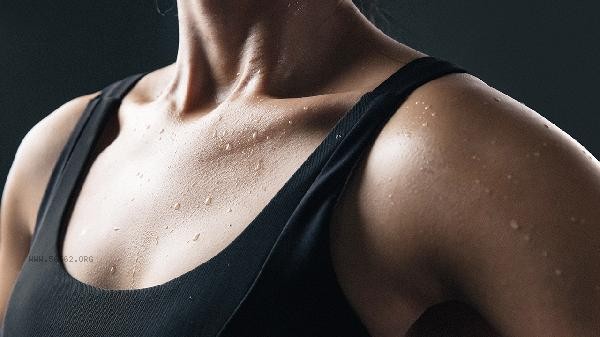
Dry heat and sweating may be caused by high ambient temperature, emotional tension, hyperthyroidism, climacteric syndrome, diabetes and other reasons, and can be alleviated by adjusting the environment, psychological counseling, drug treatment and other ways.

1. High ambient temperature
Prolonged exposure to high temperatures can lead to an increase in body temperature, and the body dissipates heat through sweating. This situation does not require special treatment. It can be relieved by promptly transferring to a cool and ventilated place and supplementing with a moderate amount of diluted salt water. Avoid prolonged activities under the scorching sun, wearing breathable and sweat absorbing clothing can help reduce discomfort.
2. Emotional tension
Emotional fluctuations such as anxiety and stress can stimulate sympathetic nervous system excitement, causing temporary dryness and sweating. Symptoms can be alleviated through relaxation training such as deep breathing and meditation. If there is a long-term emotional disorder, it is recommended to undergo cognitive-behavioral therapy under the guidance of a psychologist, and if necessary, follow the doctor's advice to use anti anxiety drugs such as lorazepam tablets.
3. Hyperthyroidism
Excessive secretion of thyroid hormones can lead to metabolic hyperactivity, manifested as symptoms such as fear of heat, sweating, palpitations, and weight loss. It may be related to factors such as Graves' disease and thyroid nodules. Diagnosis should be confirmed through thyroid function examination, and anti thyroid drugs such as methimazole tablets and propylthiouracil tablets can be used according to medical advice, or iodine-131 treatment can be used.
4. Menopausal Syndrome
Women during perimenopause may experience hot flashes and night sweats due to decreased estrogen levels and autonomic nervous system dysfunction. May be related to ovarian dysfunction, often accompanied by emotional fluctuations and sleep disorders. You can follow the doctor's advice to use hormone replacement therapy such as estradiol tablets/estradiol and progesterone tablets in combination packaging, or try plant preparations such as black cohosh extract.
5. diabetes
Abnormal sweating may occur when blood glucose is not well controlled, especially at night or after eating. This is related to autonomic neuropathy, which may be accompanied by excessive drinking and urination, as well as weight loss. Diagnosis should be confirmed through blood glucose monitoring, and hypoglycemic drugs such as metformin hydrochloride sustained-release tablets and glimepiride tablets should be used according to medical advice, with strict control of diet.

Daily attention should be paid to maintaining appropriate indoor temperature and humidity, and wearing breathable cotton clothing. Avoid spicy and stimulating foods in diet, and consume yin nourishing ingredients such as lilies and Tremella fuciformis in moderation. Recording the frequency and accompanying symptoms of sweating can help doctors determine the cause. If the symptoms persist or are accompanied by sudden weight loss, palpitations, and other symptoms, it is necessary to promptly seek medical attention from an endocrinologist or gynecologist for a systematic examination. It is recommended to choose soothing exercises such as yoga and Tai Chi to avoid excessive sweating caused by vigorous exercise.





Comments (0)
Leave a Comment
No comments yet
Be the first to share your thoughts!