
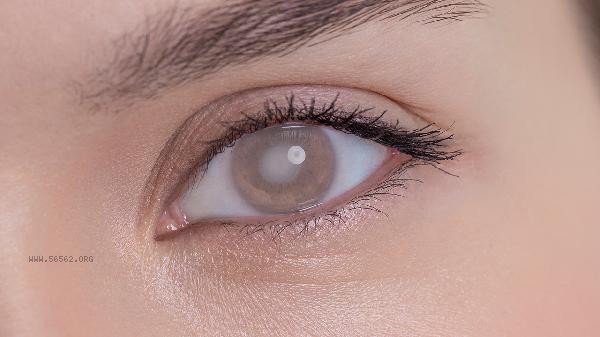
Cataracts found in physical examination may be related to age, ultraviolet radiation, diabetes, eye trauma, long-term use of hormone drugs and other factors. Cataract usually presents with symptoms such as blurred vision, photophobia, and diplopia, which can be improved through surgical treatment.
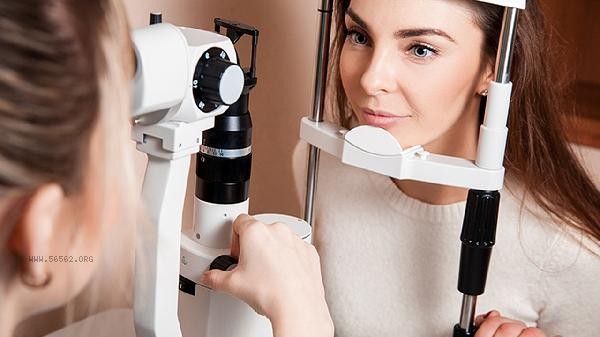
1. Aging
As age increases, lens protein denaturation leads to a decrease in transparency, which is the main cause of age-related cataracts. Patients may experience progressive painless visual impairment, especially worsening symptoms under strong light. Avoid strong light stimulation in daily life and undergo regular eye examinations. If it affects quality of life, consider phacoemulsification cataract extraction combined with intraocular lens implantation.
2. Ultraviolet irradiation
Long term exposure to ultraviolet radiation can accelerate oxidative damage to the crystalline lens, which is common in outdoor workers. These patients may experience color vision abnormalities in the early stages and develop into nuclear cataracts in the later stages. It is recommended to wear UV resistant glasses and avoid outdoor activities during noon hours. In severe cases, small incision cataract surgery may be necessary for treatment.
3. diabetes
Poor blood glucose control will lead to changes in lens osmotic pressure and the formation of metabolic cataract. Patients often experience rapid progression of visual impairment and glare sensitivity. It is necessary to strictly control blood sugar levels and regularly monitor changes in the fundus. When the visual acuity is below 0.3, femtosecond laser assisted cataract surgery can be considered.
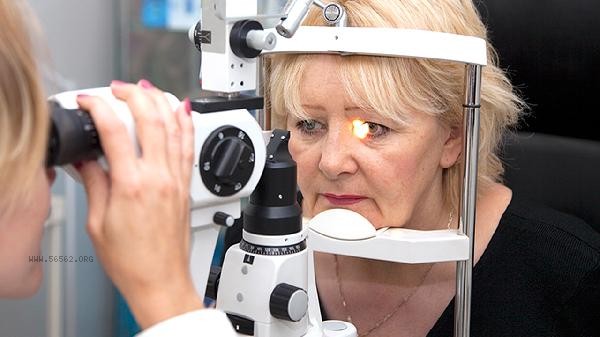
4. Eye trauma
Eye contusion or perforation may directly damage the lens capsule, leading to traumatic cataracts. Often accompanied by inflammatory reactions such as eye redness and pain, some patients may experience lens dislocation. During the acute phase, levofloxacin eye drops should be used to prevent infection. After stabilization, extracapsular removal or phacoemulsification surgery should be chosen based on the degree of injury.
5. Hormonal drugs
Long term systemic or local use of glucocorticoids can induce posterior subcapsular cataracts, typically characterized by a significant decrease in near vision. These patients need to adjust their medication regimen under the guidance of a doctor, and use sodium pyroxene eye drops to delay progression. If necessary, posterior capsule polishing surgery can be performed to improve visual quality. Cataract patients should maintain a balanced diet, supplement with antioxidants such as vitamin C and vitamin E in moderation, and avoid smoking and excessive alcohol consumption. It is recommended to wear anti ultraviolet glasses when outdoor activities, to control chronic diseases such as diabetes and hypertension. postoperative patients should follow the doctor's advice to use tobramycin dexamethasone eye drops to prevent infection, regularly check their vision and fundus condition, and avoid rubbing their eyes and vigorous exercise. When sudden eye pain, sudden decline in vision, and other situations occur, seek medical attention immediately.








Comments (0)
Leave a Comment
No comments yet
Be the first to share your thoughts!