
Being thin and having high blood pressure may be related to factors such as genetics, lifestyle, psychological stress, and dietary structure. Suggestions for improvement include adjusting diet, increasing exercise, and controlling stress.
1. Genetic factors. Hypertension has a familial genetic predisposition, and even if the body is thin, it may be caused by genetic factors leading to elevated blood pressure. If there is a history of hypertension in the family, it is necessary to regularly monitor blood pressure and take preventive measures.
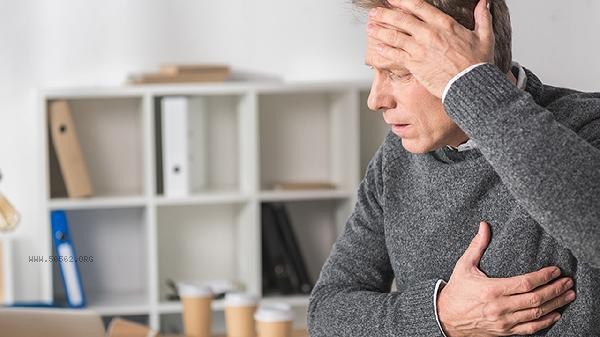
2. Lifestyle. Poor lifestyle habits such as lack of exercise, prolonged sitting, and insufficient sleep may lead to elevated blood pressure. Thin bodied individuals may neglect exercise due to their fast metabolism, but moderate exercise is crucial for blood pressure control. It is recommended to engage in at least 150 minutes of moderate intensity aerobic exercise per week, such as brisk walking, swimming, or cycling.
3. Psychological pressure. Long term exposure to high pressure may lead to elevated blood pressure, and individuals with lean body types are often more sensitive to stress. Learning to relax and relieve stress is the key to controlling blood pressure. You can try relaxation techniques such as meditation, deep breathing exercises, or yoga.

4. Dietary structure. Eating habits that are high in salt, fat, and fiber may lead to elevated blood pressure, even if the body is thin. Thin bodied individuals may neglect their dietary health due to their fast metabolism. Suggest reducing salt intake and increasing foods rich in potassium, magnesium, and calcium, such as bananas, spinach, low-fat dairy products, etc.
5. Other factors. Certain diseases such as hyperthyroidism and kidney disease may lead to elevated blood pressure in lean individuals. If blood pressure remains high after adjusting lifestyle, it is necessary to seek medical attention promptly to investigate potential diseases.

Being thin and having high blood pressure is not a rare phenomenon and should be taken seriously. By adjusting lifestyle, improving dietary structure, and controlling psychological stress, blood pressure can be effectively controlled. If blood pressure continues to rise or is accompanied by other symptoms, seek medical attention promptly for professional diagnosis and treatment. Regular monitoring of blood pressure and attention to physical health are key to preventing and controlling hypertension.








Comments (0)
Leave a Comment
No comments yet
Be the first to share your thoughts!