
The absence of antibodies against hepatitis B in physical examination usually means that no surface antibodies against hepatitis B are detected in the body, which may be caused by the absence of vaccination, the absence of immune response after vaccination, or the attenuation of antibodies over time. Hepatitis B surface antibody is an important protective antibody to prevent hepatitis B virus infection.
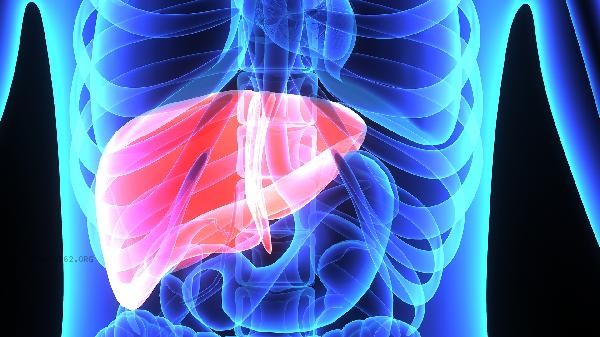
Negative hepatitis B surface antibody is common in three situations. The primary reason is that hepatitis B vaccine is not fully vaccinated or vaccination failure after vaccination. Some people cannot produce enough antibodies due to individual differences. It is also common for the antibody level to naturally drop below the detection threshold due to prolonged vaccination time. It is usually recommended to re-examine the antibody level every 5 years. Very few people with low immune function, such as AIDS patients and people who take immunosuppressants for a long time, may not be able to produce effective antibodies. The antibody deficiency rate is higher in the adult population who have not received standardized vaccinations during the neonatal period. High risk occupational exposure groups such as hemodialysis patients may experience low response after vaccination. Some genetic immunodeficiency diseases can lead to antibody production disorders, but such situations are relatively rare. In case of antibody deficiency, it is necessary to comprehensively judge whether there is previous infection by combining hepatitis B core antibody, surface antigen and other indicators.

It is recommended that people with negative antibody should receive hepatitis B vaccine in a timely manner, and complete the three dose vaccination according to the procedure of 0-1-6 months. The antibody titer should be rechecked one month after the vaccination for high-risk groups such as medical staff and family members of hepatitis B patients. The sharing of razors and other articles that may contact with blood should be avoided in daily life, and hepatitis B immunoglobulin can be injected within 24 hours after high-risk exposure. Maintaining a regular schedule and balanced diet can help maintain immune function, and the zinc and selenium rich in seafood and dark vegetables promote antibody production.








Comments (0)
Leave a Comment
No comments yet
Be the first to share your thoughts!