
Chromosome examination is mainly used to detect abnormalities in chromosome number, structure, and specific gene variations, and is commonly used in fields such as prenatal diagnosis, genetic disease screening, and tumor analysis. There are mainly methods such as chromosome karyotyping analysis, fluorescence in situ hybridization, microarray comparative genomic hybridization, gene sequencing, and specific gene detection.
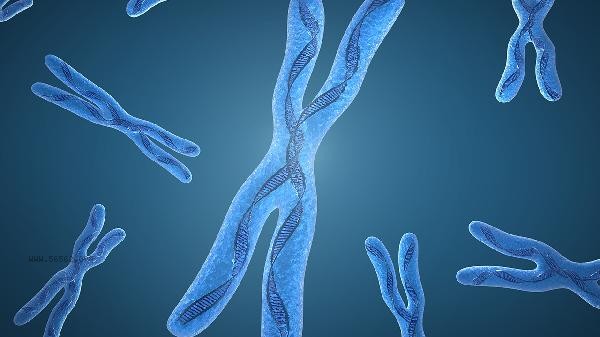
1. Chromosome karyotype analysis
Chromosome karyotype analysis is a fundamental method for observing the number and structure of chromosomes, identifying their morphology, size, and banding patterns under a microscope. This method can detect non polyploids such as Down syndrome, as well as structural abnormalities such as translocations and deletions. Suitable for prenatal amniocentesis, chorionic villi sampling, and peripheral blood examination, requiring cell culture and slide analysis, which is time-consuming but cost-effective.
2. Fluorescence in situ hybridization
Fluorescence in situ hybridization utilizes fluorescently labeled DNA probes to bind to specific chromosomal regions, enabling precise localization of small deletions or duplications. It can diagnose microdeletion diseases such as 22q11.2 deletion syndrome and is also used for HER2 gene amplification detection in tumors. Compared to karyotype analysis, it has higher resolution but can only detect known targets, requiring pre designed probes.
3. Microarray comparative genomic hybridization
Microarray comparative genomic hybridization detects copy number variations across the entire genome by comparing the signal intensity of DNA hybridization between patients and normal individuals. It can be found that traditional karyotyping analysis cannot identify small missing duplications, which are suitable for cases of unexplained intellectual disabilities, multiple malformations, etc., but cannot detect balanced translocations and low proportion chimeras.
4. Gene Sequencing
High throughput gene sequencing technology can analyze the base sequence of specific regions of chromosomes and is suitable for mutation detection in monogenic diseases such as thalassemia. Whole exome sequencing can screen thousands of genes, while whole genome sequencing provides more comprehensive coverage but complex data interpretation. Combined with bioinformatics analysis, it has high sensitivity to point mutations and minor insertions and deletions.
5. Specific gene detection
Test scheme designed for known pathogenic genes, such as CGG repeat amplification test for fragile X syndrome, BRCA1/2 gene screening related to breast cancer. Using techniques such as PCR and MLPA, it has high specificity and is commonly used in high-risk populations with a family history, but is only suitable for targeted genetic disease diagnosis.

Chromosome examination should be combined with clinical phenotype and family history to comprehensively judge the results, and some mutations need to be verified by parents to clarify pathogenicity. When couples preparing for pregnancy have a history of repeated miscarriages or have given birth to abnormal fetuses, it is recommended to consult before pregnancy. Abnormal ultrasound findings during pregnancy should be diagnosed as early as possible. Individuals with abnormal test results should receive genetic counseling to understand the risk of recurrence and intervention measures. If necessary, multidisciplinary consultations should be conducted to develop individualized management plans.








Comments (0)
Leave a Comment
No comments yet
Be the first to share your thoughts!