
The dialectical treatment of diabetes is mainly divided into yin deficiency and dryness, qi yin deficiency, yin yang deficiency and other syndromes, which can be recuperated by nourishing yin and clearing heat, supplementing qi and nourishing yin, warming yang and nourishing yin and other methods.

1. Patients with Yin deficiency, dryness, and heat
may present with symptoms such as dry mouth and tongue, excessive drinking and urination, and emaciation. Their tongue is red and lacks fluid, and their pulse is fine. The treatment mainly focuses on nourishing yin and clearing heat, with commonly used formulas such as Liuwei Dihuang Wan combined with modified Baihu Tang. Medications such as Zhimu, Huangbai, and Tianfen can be used. Avoid spicy and hot foods in daily life, and consume yin nourishing products such as Tremella fuciformis and lilies appropriately.
2. Qi and Yin deficiency
Common manifestations include fatigue, self sweating, night sweats, palpitations, shortness of breath, pale red tongue with little coating, and weak pulse. The treatment method is suitable for tonifying qi and nourishing yin. The representative formula is Shengmai San combined with Yunu Jian, and commonly used medicinal herbs such as Huangqi, Ophiopogon japonicus, and Schisandra chinensis. Diet can be paired with ingredients that nourish qi and yin, such as yam and goji berries, to avoid overexertion.
3. Yin Yang deficiency
In the late stage, symptoms of both yin and yang deficiency such as cold limbs, frequent nocturia, pale complexion, pale tongue, and thin pulse can be seen. It is necessary to warm up yang and nourish yin for treatment. The prescription is Jin Kui Shen Qi Wan, with modifications. Medications such as Shu Di Huang, Fu Zi, and cinnamon are commonly used. In daily life, it is recommended to consume moderate amounts of walnuts and lamb as warm and nutritious foods, and pay attention to keeping warm.
4. Spleen deficiency and dampness deficiency
are manifested as abdominal distension, loss of appetite, thin stools, pale tongue coating, and slow pulse. The treatment mainly focuses on strengthening the spleen and dispelling dampness. The formula is modified with Shenling Baizhu powder, and commonly selected medicines such as Atractylodes macrocephala, Poria cocos, and Amomum villosa. The diet should be light and easy to digest, avoiding raw, cold, and greasy foods. It can be supplemented with spleen strengthening ingredients such as Job's tears and beans.
5. Blood stasis resistance
is seen in patients with a longer course of disease, with symptoms such as numbness and pain in the limbs, dark purple tongue, or bruising. The treatment requires promoting blood circulation and removing blood stasis. The formula is selected as Xuefu Zhuyu Tang with modifications, and medicinal herbs such as Danshen, Chishao, Chuanxiong, etc. are often used. Moderate daily exercise can promote the circulation of qi and blood, and avoid prolonged sitting.
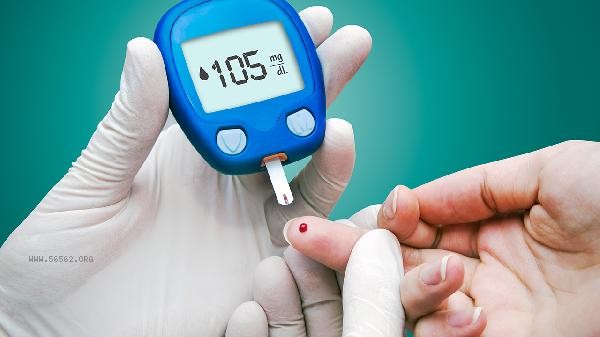
Patients with diabetes need to use drugs based on syndrome differentiation under the guidance of traditional Chinese medicine practitioners, with diet control and moderate exercise. It is recommended to choose low sugar index foods such as oats and buckwheat, and avoid high sugar and high-fat diets. Regular monitoring of blood sugar, maintaining a regular sleep routine, and regulating emotions are helpful for disease management. If there are obvious symptoms such as thirst, excessive drinking, and sudden weight loss, medical attention should be sought in a timely manner to adjust the treatment plan.





Comments (0)
Leave a Comment
No comments yet
Be the first to share your thoughts!