
Chinese medicine can be used to tonify the kidney through diet conditioning, Chinese medicine conditioning, acupuncture and moxibustion, massage, exercise and other ways. Kidney deficiency may be related to congenital deficiencies, chronic physical weakness, excessive atrial fatigue, old age and physical decline, and usually manifests as symptoms such as soreness and weakness of the waist and knees, dizziness, tinnitus, and decreased sexual function.
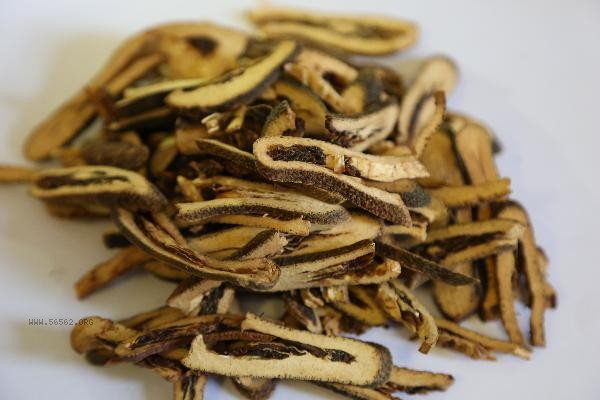
1. Dietary regulation
It is recommended to consume moderate amounts of foods such as black sesame, black beans, goji berries, etc. that have kidney tonifying effects in daily life. Black sesame is rich in vitamin E and unsaturated fatty acids, which help nourish the liver and kidneys. Black beans are rich in plant protein and isoflavones, which can improve kidney qi deficiency. Lycium barbarum can be soaked in water or boiled in Congee. The Lycium barbarum polysaccharide contained in it can enhance immunity and is suitable for people with kidney yin deficiency to eat for a long time.
2. Chinese medicine conditioning
traditional Chinese patent medicines and simple preparations such as Liuwei Dihuang Pill, Jinkui Shenqi Pill and Zuogui Pill can be used under the guidance of doctors. Liuwei Dihuang Pill is composed of cooked rehmannia and cornus officinalis. It is suitable for hot flashes and night sweats caused by kidney yin deficiency. Jin Kui Shen Qi Wan contains ingredients such as aconite and cinnamon, and is mainly used to treat edema and chills caused by kidney yang deficiency. Zuogui Pill focuses on nourishing kidney essence and is effective for premature aging and white hair. Use according to syndrome differentiation and avoid self medication.
3. acupuncture and moxibustion therapy
Select Shenshu, Taixi, Guanyuan and other acupoints for acupuncture and moxibustion stimulation. The Shenshu acupoint is located next to the spinous process of the second lumbar spine, and moxibustion at this acupoint can warm and tonify the kidney yang. The Taixi acupoint is located between the medial malleolus and Achilles tendon, and acupuncture can improve kidney yin deficiency and excessive fire. Guanyuan acupoint is located three inches below the navel, and combined with moxibustion, it can strengthen the foundation and nourish the essence. It is recommended to treat 2-3 times a week, with 10 times being one course of treatment.

4. Massage
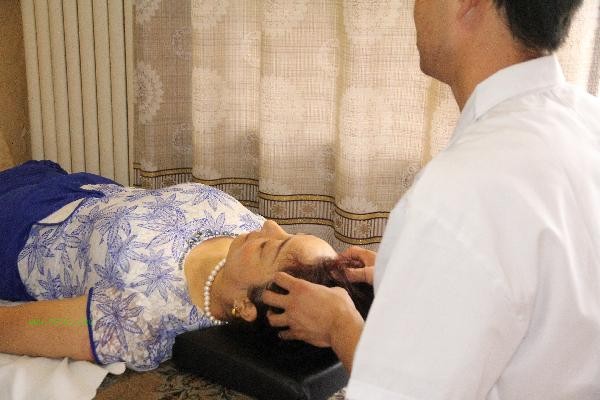
Daily massage can be applied to the Yongquan acupoint and the waist and eye area. Yongquan acupoint is located in the depression at the front of the foot. Rub it until it heats up and can ignite the fire to return to its original state. Rub the kidney areas on both sides of the waist up and down with the palm of your hand, and press the Mingmen acupoint to help improve back pain. Apply palm patches to the lower back and kidney area before bedtime, lasting for 15 minutes to warm up kidney yang. Pay attention to moderate force, and do not use it for those with damaged skin.
5. Exercise
It is recommended to practice traditional health exercises such as Ba Duan Jin and Tai Chi. The action of "climbing with both hands and feet to strengthen the kidney and waist" in the Eight Section Brocade can stretch the kidney meridian. The techniques of Cloud Hand and Catching Sparrow Tail in Tai Chi can harmonize qi and blood. Practicing for 30 minutes every morning, combined with squats and anal exercises, can enhance pelvic floor muscle strength. Avoid vigorous exercise and aim for slight sweating.
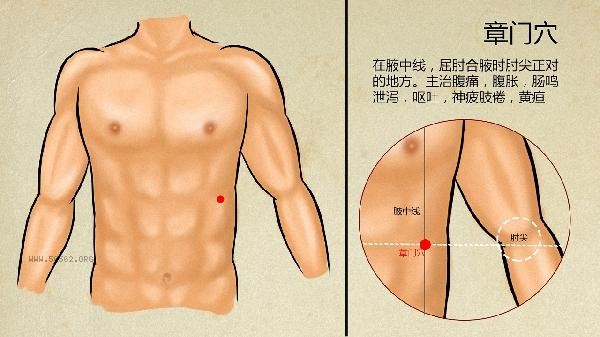
The appropriate method for tonifying the kidneys should be selected according to the type of constitution. Those with yin deficiency should avoid using warm and dry products, while those with yang deficiency should be cautious when taking cold and cool medicines. Adequate sleep should be ensured in daily life to avoid staying up late and overexertion. Pay attention to keeping your waist warm and limit sexual activity in winter. If symptoms such as severe edema and frequent nocturia occur, it is recommended to seek medical attention in a traditional Chinese medicine department in a timely manner, and cooperate with urine routine and renal function tests to confirm the diagnosis. Long term kidney deficiency that has not been corrected may develop into chronic kidney disease and require regular monitoring of blood pressure and urinary protein.





Comments (0)
Leave a Comment
No comments yet
Be the first to share your thoughts!