
Fatty liver refers to a pathological state in which the fat content in the liver exceeds the normal proportion. Most of the fatty liver found during physical examination is fatty liver disease, mainly caused by excessive accumulation of fat in liver cells. Under normal circumstances, the liver fat content does not exceed 5%. When it exceeds 5%, it can be called fatty liver. Imaging examinations such as ultrasound will display characteristic features of enhanced echoes in the anterior field and attenuated echoes in the distal field of the liver. According to the etiology, it can be divided into two categories: alcoholic fatty liver disease and non-alcoholic fatty liver disease. Mild fatty liver generally has no obvious symptoms, while moderate to severe cases may present with symptoms such as fatigue, decreased appetite, and discomfort in the upper right abdomen. Fatty liver is associated with a variety of metabolic abnormalities, including hyperlipidemia, diabetes, etc. Pathologically, it can be divided into four stages: simple fatty liver, fatty hepatitis, liver fibrosis, and cirrhosis. The stage of simple fatty liver is reversible and can be effectively improved through lifestyle interventions. Currently, fatty liver has become one of the leading causes of chronic liver disease worldwide, but most patients have slow disease progression. Such patients often present with metabolic syndrome symptoms such as obesity and dyslipidemia. Routine laboratory tests may reveal mild elevation of transaminases, which can be distinguished from other liver diseases by serological indicators. Early diagnosis and intervention of fatty liver are of great significance in preventing the progression of liver disease.
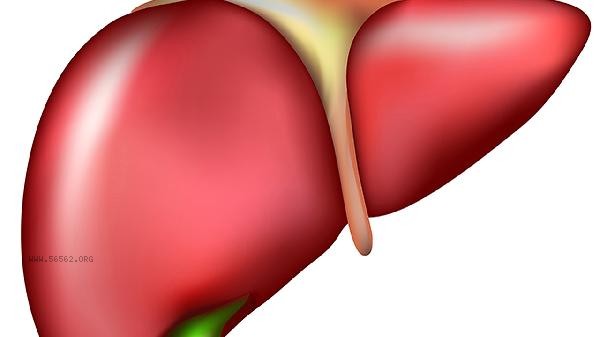
After discovering fatty liver, regular monitoring of liver function, blood glucose, blood lipids and other indicators is recommended. It is suggested to intervene by adopting a low-fat and low calorie diet combined with moderate exercise. Avoiding alcohol consumption is particularly important for controlling alcoholic fatty liver disease. Patients with combined metabolic abnormalities also need targeted treatment under the guidance of a doctor to control the primary disease.








Comments (0)
Leave a Comment
No comments yet
Be the first to share your thoughts!