
Diabetes is called diabetes in traditional chinese medicine, which is mainly divided into three types: upper, middle and lower diabetes. Thirst quenching syndrome may be related to factors such as congenital deficiencies, dietary disorders, emotional disorders, and excessive fatigue. It usually manifests as symptoms such as excessive drinking, eating, urination, and weight loss. Traditional Chinese medicine can treat diabetes by means of Chinese medicine conditioning, acupuncture and moxibustion, massage, diet control, exercise therapy and other interventions.
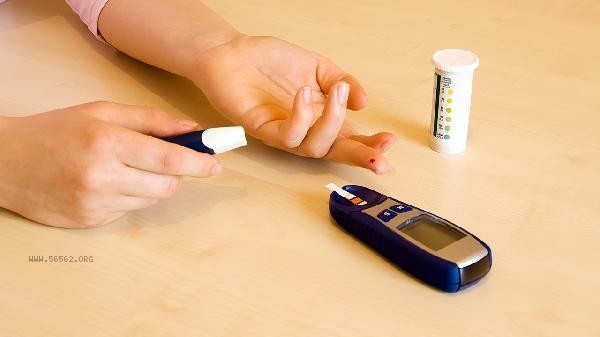
1. Traditional Chinese medicine conditioning
Patients with diabetes can use traditional Chinese patent medicines and simple preparations such as Xiaoke Pills, Yuquan Pills, Liuwei Dihuang Pills, etc. as instructed by doctors. Xiaoke Wan contains ingredients such as Huangqi and Dihuang, which help to nourish qi and yin. Yuquan Pill is mainly made of kudzu root and heavenly pollen, which can produce saliva and quench thirst. Liuwei Dihuang Pill is suitable for treating diabetes with kidney yin deficiency type, and can nourish yin and kidney. Traditional Chinese medicine treatment should be based on individual syndrome differentiation and should not be self administered.
2. acupuncture and moxibustion therapy
acupuncture and moxibustion is often used to treat diabetes by selecting Yishu, Spleen Shu, Shenshu and other points to regulate the movement of qi and blood by stimulating the meridians. Acupuncture combined with moxibustion can improve pancreatic function and assist in reducing blood sugar. Acupuncture and moxibustion needs to be operated by a professional doctor. It is treated 2-3 times a week, and 10 times is a course of treatment. Some patients may experience local soreness and swelling, which is a normal reaction.
3. Massage Intervention
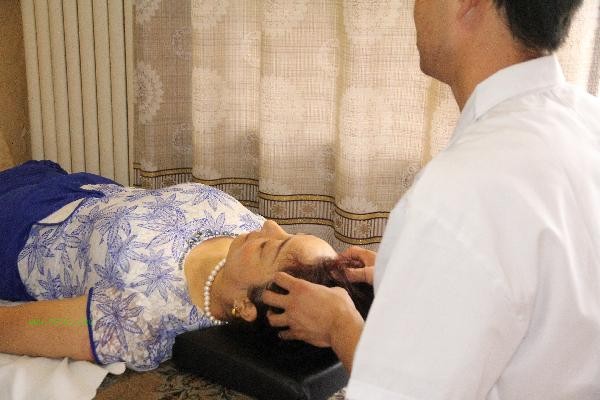
Massage can promote the circulation of qi and blood by massaging the abdomen, back, bladder meridian, and other areas. Common techniques include massaging the abdomen, pinching the spine, etc., which are performed for 15-20 minutes daily. Tuina can improve gastrointestinal function and help control appetite, but it is important to pay attention to moderate intensity to avoid skin damage. Patients with severe complications should not undergo massage therapy.
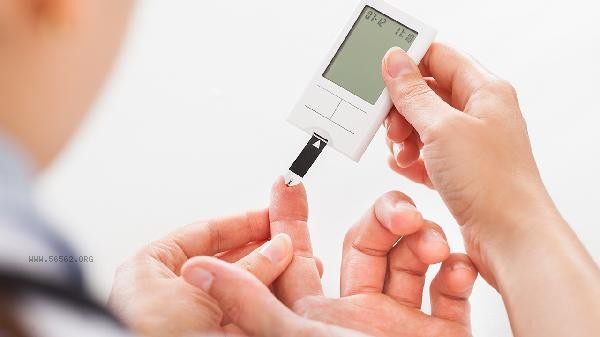
4. Dietary Control
Traditional Chinese medicine emphasizes a balanced diet and recommends consuming foods such as yam, bitter gourd, oats, etc. Yam can invigorate the spleen and kidneys, and can be steamed and consumed. Bitter melon contains bitter melon saponins, which help regulate blood sugar. Oats are rich in dietary fiber and are suitable as a staple food substitute. Diet should be timed and quantified to avoid overeating and hunger, and avoid spicy and greasy foods.
5. Exercise therapy
Traditional exercises such as Ba Duan Jin and Tai Chi are suitable for patients with diabetes. The Eight Section Brocade movement is soothing and can harmonize qi and blood. Tai Chi emphasizes breathing coordination and is practiced 3-5 times a week for 30 minutes each time. The appropriate intensity of exercise is slight sweating, avoiding fasting exercise to prevent hypoglycemia. Patients with combined retinal lesions should avoid vigorous exercise. Patients with diabetes should establish a regular schedule and ensure adequate sleep. Daily consumption of substitute tea drinks such as mulberry leaf tea and wolfberry tea should be avoided, and sugary drinks should be avoided. Regularly monitor blood sugar changes and record symptom improvement. Pay attention to foot care to prevent the occurrence of diabetes foot. Maintain emotional stability and avoid excessive anxiety. If abnormal symptoms such as blurred vision and limb numbness occur, seek medical attention promptly. Integrated traditional Chinese and Western medicine treatment can better control the progression of the disease.





Comments (0)
Leave a Comment
No comments yet
Be the first to share your thoughts!