
The routine gynecological examination for women includes vaginal secretion examination, gynecological ultrasound, cervical cancer screening, breast examination, pelvic examination and other items.
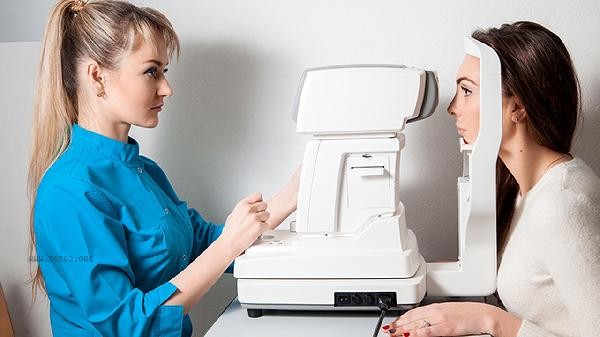
1. Vaginal secretion examination
By collecting vaginal secretions for testing, it can determine whether there is inflammation or infection in the vagina. Common tests include routine vaginal discharge, bacterial vaginosis testing, mycoplasma and chlamydia testing, etc. If abnormal results are detected, it may indicate diseases such as vulvovaginal candidiasis, trichomonas vaginitis, etc. In some cases, further diagnosis may require vaginal colposcopy examination.
2. Gynecological ultrasound
is divided into two examination methods: transabdominal and transvaginal, which can observe the structure of reproductive organs such as the uterus, ovaries, and fallopian tubes. It can screen for common problems such as uterine fibroids, ovarian cysts, endometriosis, and monitor changes in endometrial thickness for postmenopausal women.
3. Cervical cancer screening
mainly includes two methods: cervical cytology examination and human papillomavirus testing. Cervical cytology examination collects cervical exfoliated cells for pathological analysis, and HPV testing can detect high-risk viral infections. Women over 30 years old are recommended to undergo joint screening, and abnormal results may require vaginal colposcopy biopsy.
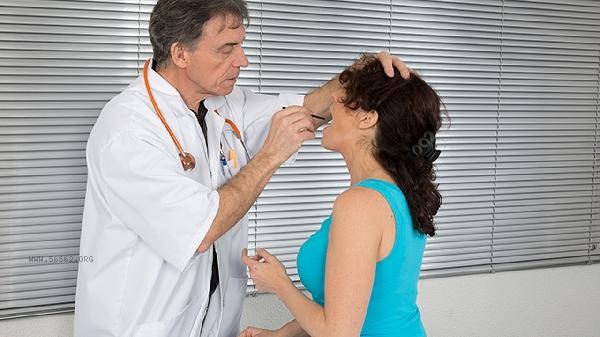
4. Breast examination
includes three methods: breast palpation, breast ultrasound, and breast mammography. Breast ultrasound is suitable for women of all ages and can distinguish benign lesions such as breast hyperplasia and fibroadenoma. For women over 40 years old, regular mammography is recommended, and ultrasound can improve the early detection rate of breast cancer.
5. Pelvic examination
evaluates the position, size, and adnexal area of the uterus through dual diagnosis and triple diagnosis, and can preliminarily determine pelvic inflammation, masses, and other lesions. For women who engage in sexual activity, it should be a routine procedure to empty the bladder before examination, and it should not be performed during menstruation.
It is recommended to undergo a systematic gynecological examination once a year, with the best examination time being 3-7 days after the end of menstruation. Avoid sexual activity, vaginal flushing, or the use of suppositories within 24 hours prior to the examination. Individuals with a special medical history or family genetic history should explain the situation to their doctor and, if necessary, add examination items. Mild discomfort after physical examination is a normal phenomenon. If there is persistent abdominal pain or abnormal bleeding, timely follow-up should be sought.








Comments (0)
Leave a Comment
No comments yet
Be the first to share your thoughts!