
Hypertension in traditional Chinese medicine theory may be caused by liver yang hyperactivity, phlegm dampness resistance, insufficient qi and blood, kidney yin deficiency, and blood stasis obstruction. It can be regulated through methods such as calming the liver and latent yang, resolving phlegm and dampness, nourishing qi and blood, nourishing yin and kidney, and promoting blood circulation and removing blood stasis. Hypertension belongs to the syndrome of deficiency in essence and excess in substance, and is often related to factors such as emotional disorders, irregular diet, old age, and physical weakness.

1. Elevated liver yang
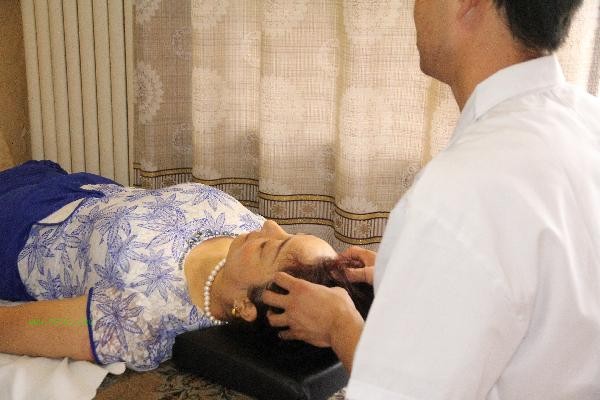
Long term emotional fluctuations or excessive fatigue may lead to elevated liver yang, manifested as dizziness, blurred vision, irritability, and irritability. Traditional Chinese medicine commonly uses Tianma Gouteng granules to calm the liver and eliminate wind, or combined with chrysanthemum and cassia seed tea to assist in lowering blood pressure. Patients should avoid staying up late and consuming spicy food to maintain a stable mood. Acupuncture and moxibustion at Taichong and Fengchi points can help to calm the liver and regulate qi.
2. Phlegm and Dampness Resistance
Eating fatty, sweet, and thick foods can easily lead to a phlegm and dampness constitution, with common symptoms such as heavy head, chest tightness, and nausea. You can choose Banxia Baizhu Tianma Tang to dissolve phlegm and dispel wind, or Fuling Hawthorn Drink to invigorate the spleen and dispel dampness. Reduce high salt and high-fat diet in daily life, and exercise appropriately to promote metabolism. Moxibustion at Zusanli and Fenglong acupoints can enhance the function of spleen and stomach circulation.
III. Insufficient Qi and Blood
Prolonged illness, weakness, or excessive thinking can deplete Qi and blood, leading to dizziness and fatigue. Guipi Pill combined with Huangqi Goji Tea can nourish the heart and spleen, while Bazhen Decoction can reduce energy and harmonize qi and blood. It is suggested to eat yam and red jujube Congee to supplement the diet at the same temperature, so as to avoid gas consumption due to strenuous exercise. Regularly pressing the Neiguan and Xuehai acupoints can improve circulation.

Fourth, Kidney Yin Deficiency
Elderly patients with renal failure or excessive atrial fatigue may experience Yin deficiency and Yang hyperactivity, often accompanied by soreness and weakness in the waist and knees, tinnitus, and forgetfulness. Liuwei Dihuang Pill nourishes kidney yin, while Ligustrum lucidum and dried lotus grass tea drink assist in reducing internal heat. Sexual activity should be restrained to ensure adequate sleep. Massaging the Yongquan and Sanyinjiao acupoints can ignite the fire and restore the essence.
Fifth, stagnation of blood stasis
The obstruction of qi and blood circulation leads to the formation of blood stasis, with visible purple and dark tongue texture and fixed pain. Xuefu Zhuyu Capsules combined with Danshen Sanqi Powder promote blood circulation and unblock meridians, and Taohong Siwu Tang is modified to regulate menstrual blood. Moderate consumption of rose tea can soothe the liver and relieve depression, and avoid prolonged sitting. Scraping the pericardium meridian can promote blood circulation. Hypertensive patients should adhere to a low salt and low-fat diet for a long time, with no more than 5 grams of salt per day, and increase their intake of potassium rich foods such as celery and kelp. Tai Chi, Ba Duan Jin and other soothing exercises can regulate autonomic nervous system function, and it is recommended to exercise 3-5 times a week for 30 minutes. Regularly monitor blood pressure and record changes to avoid sudden getting up or emotional excitement. Traditional Chinese medicine treatment should be based on the differentiation of constitution and medication. If discomfort such as dry mouth and diarrhea occurs during medication, timely follow-up appointments should be made to adjust the prescription. Pay attention to keeping warm and cold in winter, avoid sun exposure and heatstroke in summer, and establish a regular schedule to help maintain stable blood pressure.






Comments (0)
Leave a Comment
No comments yet
Be the first to share your thoughts!