
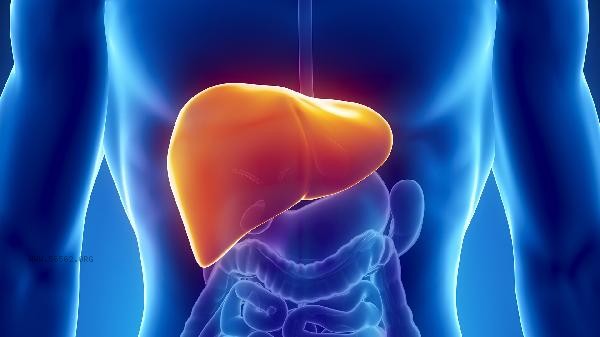
The liver and gallbladder damp heat referred to in traditional Chinese medicine refers to the pathological state of damp heat and evil qi accumulation caused by liver and gallbladder dysfunction, mainly manifested as symptoms such as bitter mouth and dry throat, rib distension and pain, yellow and red urine, and yellow and greasy tongue coating. Damp heat in the liver and gallbladder may be caused by factors such as irregular diet, emotional disorders, and external dampness and heat. It can be regulated through methods such as clearing heat and dampness, soothing the liver and promoting bile flow.

1. Irregular diet
Long term consumption of spicy and greasy food or excessive alcohol can easily lead to dysfunction of the spleen and stomach, causing dampness and heat accumulation in the liver and gallbladder. These patients often have symptoms such as bloating, nausea, and sticky stools. In daily life, it is necessary to avoid high-fat foods such as barbecue and hot pot. It is recommended to consume moisture reducing ingredients such as mung beans, winter melon, and Job's tears seeds in moderation. When symptoms are obvious, traditional Chinese patent medicines and simple preparations such as Longdan Xiegan Pill and Yinzhihuang Granules can be used under the guidance of doctors.
2. Emotional disorders
Depression, anger, and other negative emotions can cause liver qi stagnation, which can lead to heat and dampness over time. This group of people often exhibit symptoms such as irritability, insomnia, and frequent dreaming. Adjusting emotions can be achieved through exercises such as Tai Chi and Eight Section Brocade to relieve stress, and if necessary, combined with liver soothing and qi regulating drugs such as Chaihu Shugan San and Xiaoyao Wan.
3. External dampness and heat
Living in humid environments or summer heat and humidity invasion, dampness and heat evil qi can enter from the surface and invade the liver and gallbladder. Typical symptoms include heavy head and body fatigue, oily and yellowish skin, etc. It is recommended to keep the residence ventilated and dry, and change clothes promptly after sweating. Commonly used clinical formulas such as Ganlu disinfection Pill and Sanren Decoction are used to dispel dampness and relieve heat.
4. Gallbladder inflammation
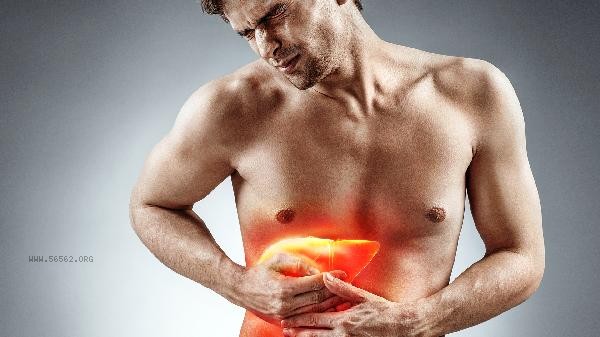
Chronic cholecystitis or cholelithiasis can be secondary to liver gallbladder damp heat syndrome, manifested as upper right abdominal colic, anorexia and greasiness. This type of disease may be related to bile stasis and bacterial infection, and should be diagnosed through ultrasound examination. In addition to using anti-inflammatory and choleretic tablets during treatment, in severe cases, biliary surgery should be considered.
5. Viral hepatitis
Hepatitis B and other viral infections can lead to the accumulation of damp heat in the liver and gallbladder, commonly resulting in yellowing of the body and eyes, and abnormal liver function. This type of patient is contagious and requires isolation and treatment, as well as regular monitoring of liver function. Western medicine antiviral treatment can be combined with traditional Chinese medicine such as Yinchenhao decoction and Chupencao granules to protect the liver and reduce jaundice. People with damp heat in the liver and gallbladder should maintain a regular schedule to avoid staying up late and damaging the liver. The daily water intake should be at least 2000 milliliters to promote metabolism. The diet should be light, and cool foods such as water chestnuts and lotus roots can be consumed in moderation. Hot tonics such as lamb and durian should be avoided. If persistent jaundice or severe abdominal pain occurs, seek medical attention immediately to rule out emergencies such as biliary obstruction. Usually, it is possible to assist in regulating liver and gallbladder function by pressing acupoints such as Taichong and Yanglingquan.





Comments (0)
Leave a Comment
No comments yet
Be the first to share your thoughts!