
Traditional Chinese Medicine Tuina is a traditional Chinese medicine external treatment method that uses techniques to act on specific parts or acupoints on the body surface, regulating meridians, qi and blood, and balancing yin and yang to prevent and treat diseases.
I. Theoretical Basis
Traditional Chinese massage is guided by the theories of meridians and organs, and believes that manual stimulation can unblock meridians and harmonize qi and blood. The twelve meridians and the eight extraordinary meridians form an energy channel network, and massage can regulate the corresponding organ functions by tapping specific acupoints such as Zusanli and Hegu. The theory of yin-yang balance emphasizes that the importance and urgency of techniques should be dynamically adjusted according to the differences in patients' physical constitution.
II. Classification of Techniques
Basic techniques include pressing, rubbing, pushing, holding, and kneading. Apply vertical force with fingertips according to the method, suitable for acupoint stimulation. Mofa uses circular friction between the palm and face, and is commonly used for abdominal conditioning. Composite techniques such as rolling combined with pressure and rolling movements have a significant effect on the strain of the lower back muscles. Special techniques such as pediatric spine massage use skin lifting to regulate spleen and stomach function.
III. Mechanism of Action
Mechanical stimulation can promote local blood circulation and accelerate the clearance of metabolic waste. Manual pressure can stimulate the release of endorphins and alleviate pain signal transduction. Regulating the autonomic nervous system can improve gastrointestinal peristalsis function, and there is a common clinical phenomenon of increased bowel sounds after massage. In terms of immune regulation, specific techniques can increase serum IgA levels.
Fourth, Scope of Adaptation
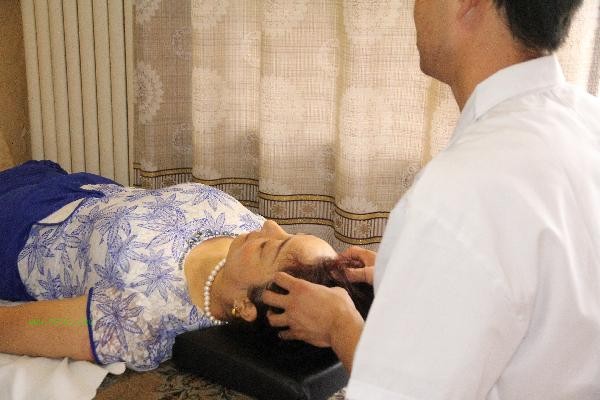
Orthopedic diseases such as cervical spondylosis can reduce nerve compression through rotational reduction techniques. Internal medicine conditions such as functional dyspepsia can promote gastrointestinal motility through the use of abdominal tremors. Pediatric applications mainly focus on strengthening the spleen and reducing stagnation, such as clockwise rubbing of the abdomen to improve children's food accumulation. Tuina is also used for limb function rehabilitation after stroke, and for preventing muscle atrophy through joint mobilization surgery.
V. Precautions
Surgery is prohibited for skin damage, unhealed fractures, and malignant tumor sites. Patients with cervical spondylosis of vertebral artery type should avoid neck rotation techniques. After massage, there may be a brief feeling of soreness and swelling, and vigorous exercise should be avoided within 24 hours. It is recommended to choose professionals who hold the "Certificate of Professional Physician in Traditional Chinese Medicine" for operation, as non professionals may be at risk of joint dislocation if imitating.
After traditional Chinese massage, it is recommended to drink warm water to promote metabolism and avoid cold baths for 24 hours to prevent the invasion of cold pathogens. Chronic disease patients can receive maintenance therapy 1-2 times a week, and comprehensive medication treatment should be combined during the acute symptom period. If dizziness or pain intensifies during massage, the operation should be stopped immediately. Pregnant women must undergo professional evaluation before performing lumbar and sacral massage.





Comments (0)
Leave a Comment
No comments yet
Be the first to share your thoughts!