
A negative AIDS antibody test usually indicates that no AIDS virus antibody has been detected, which may indicate that it is not infected or in the window period. The results of AIDS antibody testing may be affected by the window period, testing methods, individual immune status and other factors.
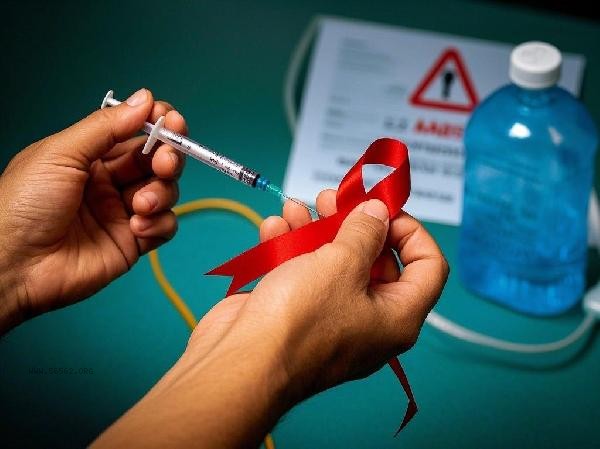
The most common case of negative AIDS antibody test is that AIDS virus is not infected. After the human body is infected with AIDS virus, the immune system needs a certain period of time to produce antibodies, which is called the window period. The commonly used third-generation detection methods have a window period of 3-12 weeks, while the fourth generation detection methods can be shortened to 2-6 weeks. Testing during the window period may result in false negative results. If the test is negative but there have been high-risk individuals recently, it is recommended to have a follow-up examination after the window period ends. Standardized testing procedures and qualified reagents are also key factors in ensuring accurate results. Using nationally approved reagents and testing in formal medical institutions can improve accuracy.

In a few cases, negative AIDS antibody test may appear in people with abnormal immune function. Patients with compromised immune systems, such as malignant tumors, long-term use of immunosuppressants, and congenital immunodeficiency patients, may not be able to produce antibodies normally, resulting in false negatives in testing. When the immune function of patients with advanced AIDS is severely depleted, the antibody level may fall below the detection limit. Some rare AIDS virus variants may escape routine antibody testing. These situations need to be comprehensively judged by combining nucleic acid testing, antigen testing, and other methods.

It is recommended that high-risk individuals should undergo re examination after the window period ends, and take preventive measures such as avoiding sharing syringes and ensuring safe sexual behavior on a daily basis. If the test results do not match the clinical manifestations, professional doctors should be consulted in a timely manner, and nucleic acid testing or antigen antibody combination testing should be performed if necessary. Maintaining a healthy lifestyle helps maintain normal immune function, and regular check ups can detect potential health problems early.








Comments (0)
Leave a Comment
No comments yet
Be the first to share your thoughts!