
Mycoplasma testing in gynecological examinations is mainly used to detect mycoplasma infections in the urinary and reproductive tract. Common tests include culture or nucleic acid testing for Mycoplasma urealyticum and culture or nucleic acid testing for Mycoplasma hominis. Mycoplasma is a type of microorganism lacking a cell wall, which may cause non gonococcal urethritis, cervicitis, and other diseases, and requires laboratory testing for a clear diagnosis.
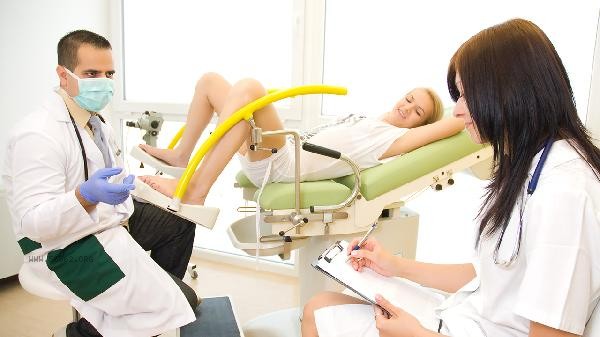
Gynecological mycoplasma testing is mainly conducted by collecting vaginal secretions or cervical swabs. Ureaplasma urealyticum is one of the main pathogens causing non gonococcal urethritis. characteristic colonies can be observed in special culture media through cultivation methods, or their specific gene sequences can be detected through PCR nucleic acid testing. Mycoplasma hominis is more commonly associated with diseases such as pelvic inflammatory disease and postpartum fever, and can also be detected through cultivation or molecular biology methods. Some medical institutions will also conduct testing for Mycoplasma genitalium, a pathogen that is closely associated with cervicitis and endometritis, but the difficulty of testing is relatively high. At present, most hospitals use PCR technology to directly detect Mycoplasma DNA, which has the advantages of high sensitivity and strong specificity, and the results can be obtained within 24 hours.
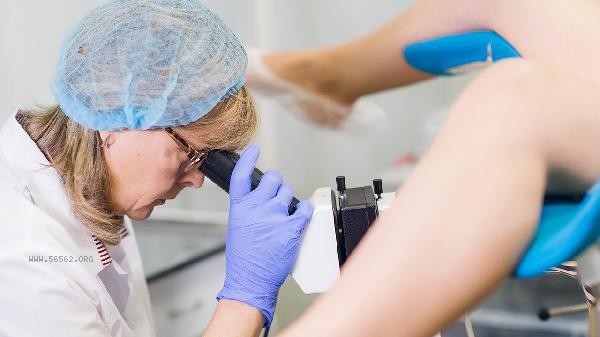
Before the examination, attention should be paid to avoiding the menstrual period, and sexual activity, vaginal flushing, or local medication should be avoided within 24 hours before sampling. For patients with recurrent urinary and reproductive tract infections, infertility, or pre pregnancy screening, mycoplasma testing can help clarify the cause. If the test result is positive, it is necessary to determine whether treatment is needed based on clinical symptoms, and some asymptomatic carriers may not be intervened. Common therapeutic drugs include doxycycline tablets, azithromycin dispersible tablets, levofloxacin tablets, etc., but sensitive antibiotics should be selected based on drug susceptibility testing.

Daily attention should be paid to keeping the perineum clean and avoiding unclean sexual behavior. Cotton underwear should be replaced daily and disinfected by exposure to sunlight. If symptoms such as abnormal vaginal discharge, frequent urination, and painful urination occur, timely medical attention should be sought. After being diagnosed with mycoplasma infection, full treatment should be completed according to medical advice. Sexual partners should undergo simultaneous examination and treatment to prevent cross infection. During treatment, it is recommended to have a light diet, avoid spicy and stimulating foods, and supplement high-quality protein and vitamins appropriately to enhance immunity.








Comments (0)
Leave a Comment
No comments yet
Be the first to share your thoughts!