
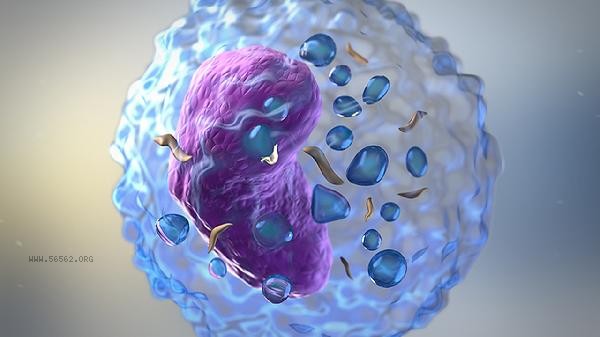
Elevated eosinophils in blood routine usually indicate allergic reactions, parasitic infections, or certain blood system diseases. Eosinophils are a type of white blood cell with a lower normal proportion. When their value exceeds the normal range, it may be related to multiple factors. Allergic diseases such as allergic rhinitis, asthma, eczema, etc. often lead to an increase in eosinophils, which can trigger an immune response when the body comes into contact with allergens. Parasitic infections such as roundworms and hookworms can also stimulate an increase in eosinophils, which is the body's defense mechanism against parasites. Some skin diseases such as psoriasis and pemphigus may be accompanied by an increase in eosinophils. Diseases of the blood system such as eosinophilia and chronic myeloid leukemia can directly cause abnormalities in this indicator. Some drugs such as penicillin and cephalosporin antibiotics may also cause transient eosinophilia.
It is recommended to avoid contact with known allergens and maintain a clean living environment to reduce allergens such as dust mites. Pay attention to balanced nutrition in diet, supplement vitamin C and vitamin E in moderation. Avoid taking drugs that may cause allergies without authorization, and consult a doctor if medication is needed. Regular blood routine check ups should be conducted to monitor changes in indicators. If there are persistent high levels or symptoms such as fever and weight loss, timely medical attention should be sought to investigate the cause. Pay attention to personal hygiene in daily life, wash hands before and after meals, and avoid consuming undercooked meat to prevent parasitic infections.








Comments (0)
Leave a Comment
No comments yet
Be the first to share your thoughts!