
Blood deficiency is a traditional Chinese medicine term that refers to a pathological state in which there is insufficient blood or reduced blood nourishing function in the body, mainly manifested as pale complexion, dizziness, blurred vision, palpitations, insomnia, and other symptoms.
1. Etiological mechanism
Blood deficiency may be related to factors such as spleen and stomach weakness, excessive blood loss, and long-term disease depletion. The spleen and stomach are the source of qi and blood biochemistry. If there is long-term dietary imbalance or digestive and absorption disorders, it can lead to insufficient blood production. Direct blood loss, such as excessive menstrual bleeding, postpartum hemorrhage, or traumatic bleeding, is also a common cause in women. Chronic debilitating diseases such as tuberculosis and tumors may gradually deplete negative blood.
II. Typical Symptoms
Common symptoms include pale or pale complexion, pale lip color, dry and flaky skin. If blood does not nourish the heart, palpitations, insomnia, and frequent dreams may occur; Blood does not cause hair to turn yellow and easily break; Blood not moistening the eyes can lead to blurred vision and dry eyes. Some patients may present with symptoms such as numbness in limbs, reduced menstrual flow, pale color, pale tongue, and weak pulse as typical signs.
III. Diagnostic Key Points
Traditional Chinese Medicine uses a combination of four diagnostic methods to make judgments, with a focus on changes in complexion, lip and tongue appearance during observation; Pay attention to subjective symptoms such as dizziness and fatigue during consultation; The palpation is based on the fine and weak pulse as a reference. It needs to be distinguished from other types of syndromes such as yin deficiency and qi deficiency. Yin deficiency is often accompanied by hot flashes and night sweats, while qi deficiency is mainly characterized by short qi and lazy speech. Modern medical examinations may indicate mild anemia, but some patients with blood deficiency may have normal hemoglobin levels.

IV. Principles of Regulation
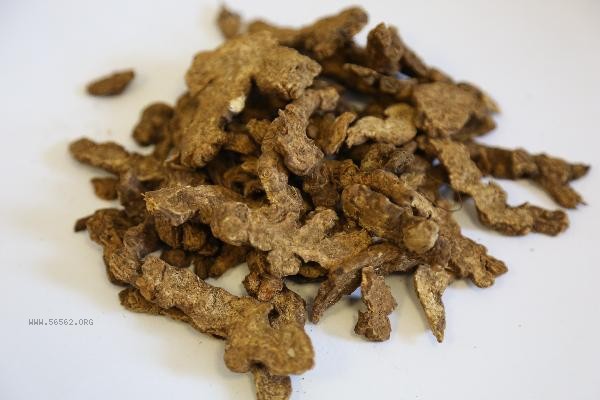
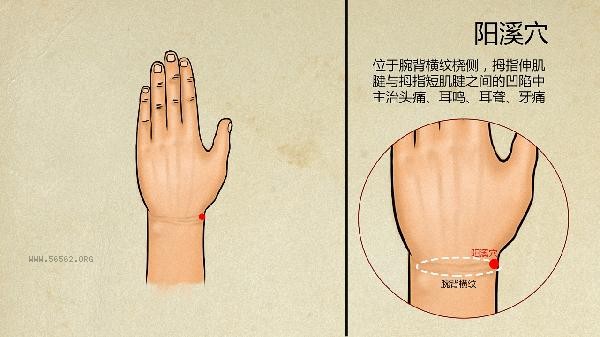
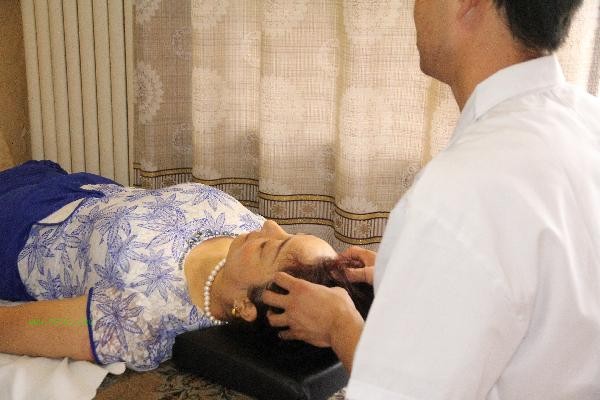
Treatment mainly focuses on replenishing blood and nourishing blood, and commonly uses formulas such as Siwu Tang and Guipi Tang. It is advisable to choose blood nourishing ingredients such as red dates, longan, and pork liver for diet, and to promote the circulation of qi and blood through moderate exercise. Acupuncture and moxibustion can select Zusanli, Xuehai and other acupoints. It is necessary to avoid overwork and mood fluctuation. In serious cases, traditional Chinese patent medicines and simple preparations such as compound ass hide glue paste and angelica blood tonic oral liquid can be used under the guidance of doctors.
V. Preventive Measures
Daily attention should be paid to a balanced diet, ensuring the intake of hematopoietic raw materials such as iron, folate, and vitamin B12. Women should avoid catching a cold during their menstrual period and control the amount of bleeding. Chronic disease patients need to regularly monitor their qi and blood status, and can practice gentle exercises such as Eight Section Brocade and Tai Chi. Avoiding raw, cold, spicy and harmful substances to the spleen and stomach, and maintaining a regular daily routine can help with blood and qi biochemistry. People with blood deficiency constitution should take long-term care and avoid rapid weight loss or excessive dieting. In winter, it is advisable to consume lamb and black sesame as warm tonics, and in summer, avoid indulging in cold drinks. If symptoms such as severe dizziness and worsening palpitations occur, seek medical attention promptly to rule out organic diseases. Maintaining a relaxed mood and avoiding excessive thinking that can damage one's heart and blood can help improve the state of blood deficiency.





Comments (0)
Leave a Comment
No comments yet
Be the first to share your thoughts!