
Traditional Chinese medicine can assist in the diagnosis of various diseases, including common illnesses such as colds, indigestion, insomnia, menstrual disorders, and chronic pain, through the combination of observation, hearing, questioning, and cutting. Traditional Chinese medicine diagnosis focuses on functional disorders and overall state assessment, and accurate judgment of organic lesions needs to be combined with modern medical examinations.
1. Cold
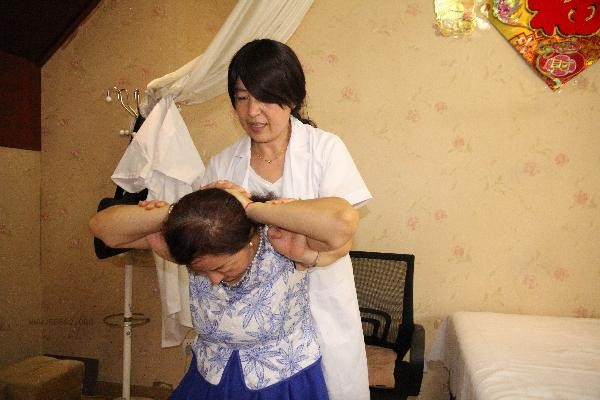
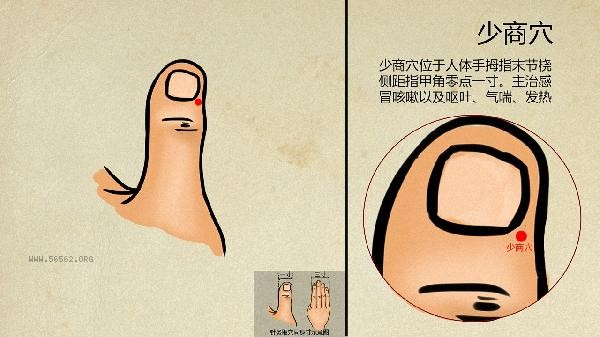
Traditional Chinese medicine divides colds into wind cold type and wind heat type, and distinguishes them by observing the characteristics of thin white or yellow greasy tongue coating, floating and tight pulse, etc. For wind cold colds, Jing Fang Bai Du San can be used, and for wind heat colds, Yin Qiao San can be used. When accompanied with headache and nasal congestion, it may be relieved by acupuncture and moxibustion at Fengchi or Dazhui.
II. Digestive disorders
When diagnosed with spleen and stomach weakness or food accumulation in traditional Chinese medicine, symptoms such as tongue fat, large tooth marks, and abdominal distension can be seen. Commonly used are Baohe Wan for digestion and promoting stagnation, and Xiangsha Liujun Wan for strengthening the spleen and stomach. Long term indigestion may indicate liver qi invading the stomach syndrome, which requires the use of Chaihu Shugan San to regulate liver qi and regulate qi.
III. Insomnia
Insomnia of the heart and spleen deficiency type is characterized by frequent dreams and easy awakening, and Guipi Tang is suitable for use; Heart kidney non overlapping type with palpitations and tinnitus can be treated with Tianwang Buxin Pill. Traditional Chinese medicine will observe patients' signs such as dark eyes and red tongue. Severe insomnia may require ear acupressure therapy.
Fourth, menstrual disorders
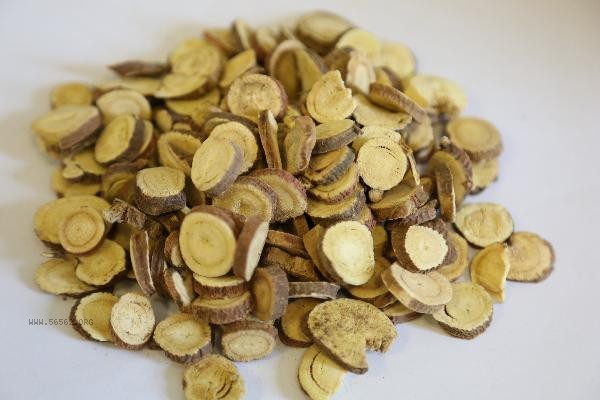
Delayed menstruation with qi stagnation and blood stasis type can be seen with tortuous sublingual veins, suitable for Taohong Siwu Tang; Qi and blood deficiency type with low menstrual volume and pale color, recommend Wuji Baifeng Pill. Traditional Chinese Medicine (TCM) classifies syndromes based on the examination cycle, color and texture of the meridians, and the combination of the pulse's depth, fineness or smoothness.
Fifth, chronic pain
Wind cold dampness type joint pain worsens when exposed to cold, use Duhuo Parasitic Decoction; Qi stagnation and blood stasis type lower back pain with tongue bruising spots, choose body pain and blood stasis removing soup. Traditional Chinese medicine determines the cause of stubborn pain based on the relationship between the nature, location, and weather changes. Organic diseases such as lumbar disc herniation should be ruled out.
Traditional Chinese medicine diagnosis should be performed by practicing physicians, and it is recommended to prioritize modern medical examinations such as blood routine and imaging when persistent symptoms appear. Regular daily routines can be followed to avoid overwork. Choose warm or light foods according to your constitution, and practice traditional health exercises such as the Eight Section Brocade in moderation. Organic diseases or severe cases should be treated promptly with a combination of traditional Chinese and Western medicine.





Comments (0)
Leave a Comment
No comments yet
Be the first to share your thoughts!