
Traditional Chinese Medicine can diagnose and treat various diseases, including colds, menstrual disorders, chronic gastroenteritis, cervical spondylosis, insomnia, and other conditions. Traditional Chinese medicine has unique advantages in treating common diseases, chronic diseases, and functional disorders through syndrome differentiation and holistic regulation. In clinical practice, it is often combined with Chinese medicine, acupuncture and moxibustion, massage and other therapies for coordinated intervention.
1. Cold
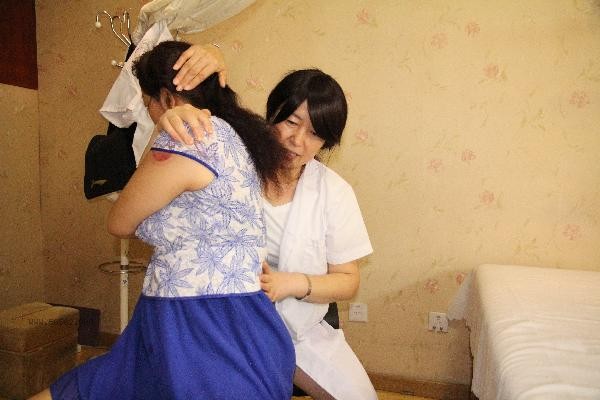
Traditional Chinese medicine divides colds into wind cold type and wind heat type. Wind cold cold cold is characterized by severe cold aversion, mild fever, and no sweating headache. Jingfang Baidu Powder can be modified accordingly; Wind heat cold is often treated with Yinqiao powder due to severe fever, bad wind, and sore throat. Acupuncture at acupoints such as Fengchi and Dazhui can accelerate the relief of symptoms. For those who suffer from recurrent colds, prescriptions such as Yupingfeng Powder will be used to regulate the Wei Qi.
2. Menstrual disorders
include abnormalities in menstrual cycle, menstrual flow, and color, and are commonly associated with kidney deficiency, liver depression, blood stasis, and other syndrome types. For kidney deficiency type, Zuo Gui Wan is used for warming and tonifying, while Xiaoyao San is used for relieving liver depression and qi stagnation. For blood stasis type, Taohong Siwu Tang is selected to dissolve blood stasis. Combined with moxibustion at acupoints such as Guan Yuan and San Yin Jiao, it can improve uterine blood circulation. Organic diseases such as polycystic ovary syndrome require integrated traditional Chinese and Western medicine treatment.
3. Chronic gastroenteritis
often belongs to spleen and stomach weakness or liver stomach disharmony syndrome, manifested as abdominal distension, dull pain, and indigestion. Xiangsha Liujunzi Tang is suitable for those with spleen deficiency and qi stagnation, while Chaihu Shugan San is used for those with liver depression and stomach invasion. Acupuncture and moxibustion points such as Zhongwan and Zusanli are selected to regulate gastrointestinal peristalsis. It is necessary to avoid eating raw, cold, and spicy foods. Chronic patients can regularly apply acupoint patches to consolidate the therapeutic effect.

4. Cervical spondylosis
can be classified into wind cold dampness syndrome, qi stagnation and blood stasis syndrome types, with neck and shoulder pain accompanied by restricted movement. Ge Gen Tang can reduce wind and dispel cold, while Shen Tong Zhuyu Tang is suitable for blood stasis syndrome. Tuina combined with traction can relieve muscle spasms, and needling acupoints such as Fengchi and Shoulder Well has a significant effect. Severe spinal cord type requires intervention with modern medical methods.
5. Insomnia
Guipi Tang is mainly used for heart and spleen deficiency type. For yin deficiency and excessive fire, Tianwang Buxin Dan is used. For liver depression and fire transformation, Longdan Xiegan Tang is selected. Select acupoints such as Shenmen and Xinqu for ear acupressure, and use a traditional Chinese medicine foot bath formula to calm the heart and mind before bedtime. Long term insomnia requires the exclusion of organic diseases such as hyperthyroidism and depression, and emotional regulation is more effective. Traditional Chinese medicine emphasizes a holistic approach and individualized treatment plans. During the treatment of the above-mentioned diseases, it is necessary to avoid eating raw, cold, greasy foods and maintain a regular daily routine. For patients with chronic diseases, it is recommended to adhere to a course of treatment for more than 3 months, and acupuncture and moxibustion and massage should be performed 2-3 times a week. When dealing with urgent and severe cases or unclear diagnoses, modern medical examinations should be improved first, and the combination of traditional Chinese and Western medicine can complement each other's advantages. If new symptoms occur during medication, timely follow-up appointments and prescription adjustments are necessary.





Comments (0)
Leave a Comment
No comments yet
Be the first to share your thoughts!