
The head sweating during sleep at night may be caused by environmental factors, endocrine disorders, infectious diseases, autonomic nervous dysfunction, menopausal syndrome and other reasons. Suggest adjusting lifestyle or seeking medical treatment based on specific reasons.

1. Environmental factors
Excessive bedroom temperature or thick blankets can cause sweating on the head. The human body regulates body temperature through sweating. When the ambient temperature exceeds 25 degrees Celsius or the breathability of the blanket is poor, the head, as the main heat dissipation part, is prone to sweating. The improvement method is to keep the room temperature at 18-22 degrees Celsius, choose breathable cotton bedding, and open windows for ventilation before bedtime. This situation does not require special treatment, and symptoms can be relieved on their own after adjusting the environment.
2. Endocrine disorders
hyperthyroidism can cause metabolic hyperactivity leading to excessive sweating. Excessive secretion of thyroid hormones can accelerate metabolism, manifested as symptoms such as fear of heat, excessive sweating, and palpitations. It may be related to factors such as Graves' disease and thyroid nodules. Thyroid function needs to be checked, and after diagnosis, anti thyroid drugs such as methimazole tablets and propylthiouracil tablets can be used according to medical advice, or radioactive iodine therapy can be performed.
3. infectious diseases
tuberculosis and other chronic infections can lead to night sweats. Mycobacterium tuberculosis infection can cause long-term low-grade fever, with obvious sweating during nighttime temperature fluctuations, often accompanied by symptoms such as coughing, fatigue, and weight loss. Tuberculin test, chest CT and other examinations are required. After diagnosis, standardized use of anti tuberculosis drugs such as isoniazid tablets, rifampicin capsules, pyrazinamide tablets, etc. is required, and the course of treatment usually takes 6-9 months.
4. Autonomic dysfunction
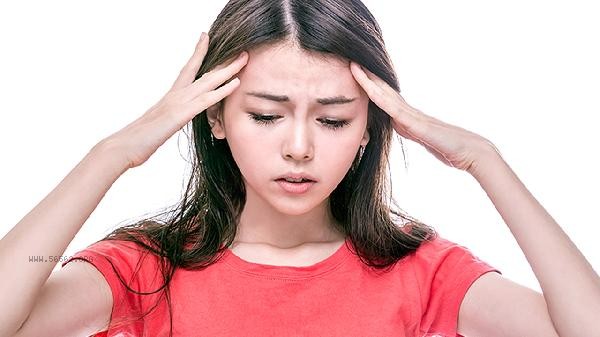
Long term mental stress can lead to abnormal autonomic regulation. Psychological factors such as anxiety and stress may interfere with the hypothalamic thermoregulatory center, manifested as excessive sweating in the head after falling asleep, often accompanied by symptoms such as insomnia and palpitations. It can be improved through psychological counseling and relaxation training. If necessary, medication that regulates neurological function such as Guwei Su tablets and vitamin B1 tablets can be used according to medical advice.
5. Menopausal syndrome [SEP]: A decrease in estrogen levels during perimenopause can cause vasomotor symptoms in women. Hot flashes and sweating are typical manifestations, often starting from the face and head, accompanied by skin redness, palpitations, and other symptoms during the attack. Hormone level testing can be performed, and after diagnosis, hormone replacement therapy such as estradiol valerate tablets and progesterone tablets can be used under the guidance of a doctor, or plant-based drugs such as black cohosh extract can be tried to alleviate symptoms. Maintaining a regular schedule and moderate exercise can help improve sleep quality. Avoid consuming caffeine and alcohol before bedtime, and choose loose and breathable pajamas. If sweating on the head is accompanied by symptoms such as weight loss and persistent fever, it is necessary to seek medical attention promptly to check for diseases such as tuberculosis and hyperthyroidism. For middle-aged and elderly women who experience paroxysmal hot flashes and sweating, it is recommended to seek gynecological examination to assess menopausal status. Daily recording of sweating frequency and accompanying symptoms can provide reference for doctors' diagnosis.





Comments (0)
Leave a Comment
No comments yet
Be the first to share your thoughts!