
Tumor physical examination usually includes tumor marker detection, imaging examination, endoscopic examination, histopathological examination, genetic testing and other items.
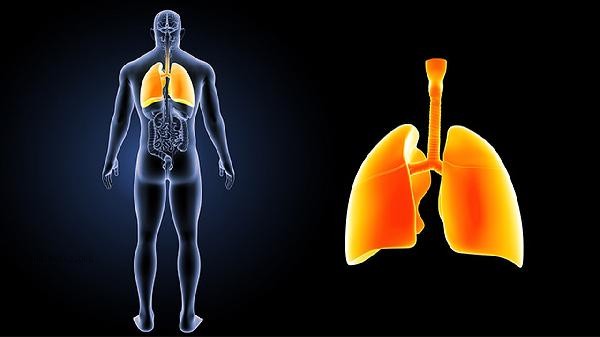
1. Tumor biomarker detection
Tumor biomarker detection is the screening of tumors through blood testing for tumor markers. Common tumor markers include alpha fetoprotein, carcinoembryonic antigen, carbohydrate antigen 125, carbohydrate antigen 199, prostate-specific antigen, etc. Alpha fetoprotein is mainly used to screen liver cancer, carcinoembryonic antigen is used to screen gastrointestinal tumors, carbohydrate antigen 125 has a suggestive effect on ovarian cancer, carbohydrate antigen 199 is commonly used to screen pancreatic cancer, and prostate specific antigen is used to screen male prostate cancer. Elevated tumor markers do not necessarily indicate the presence of a tumor, and certain benign diseases may also cause elevation, which requires further diagnosis in conjunction with other examinations.
2. Imaging examinations
Imaging examinations include ultrasound, X-ray, CT, MRI, PET-CT, etc. Ultrasound examination is commonly used for tumor screening in thyroid, breast, liver, gallbladder, pancreas, spleen and other areas. X-ray examination is mainly used for lung tumor screening. CT examination has high value for early detection of solid organ tumors. Magnetic resonance imaging shows clear display of soft tissues such as central nervous system tumors and pelvic tumors. PET-CT examination can display tumor metabolism at the molecular level, playing an important role in early diagnosis, staging and efficacy evaluation of tumors.
3. Endoscopic examination
Endoscopic examination can directly observe the internal conditions of hollow organs and take biopsies, commonly including gastroscopy, colonoscopy, bronchoscopy, cystoscopy, etc. Gastroscopy can detect early tumors in the esophagus, stomach, and duodenum, colonoscopy can screen for colorectal polyps and tumors, bronchoscopy is used for the diagnosis of central lung lesions, and cystoscopy can visually detect bladder tumors. Preparation should be made before endoscopic examination. There may be slight discomfort during the examination, but most people can tolerate it.
4. Histopathological examination
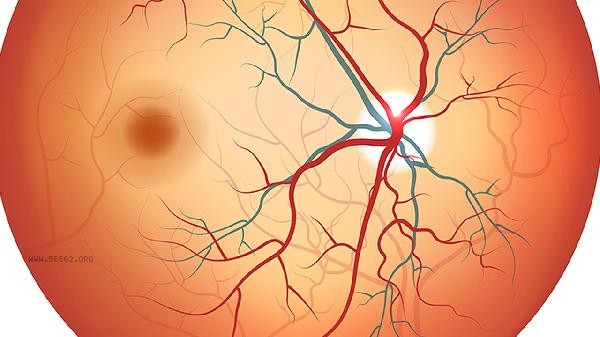
Histopathological examination is the gold standard for tumor diagnosis, which obtains suspicious tissues through puncture, surgery, or endoscopy, and allows pathologists to observe changes in cell morphology and structure under a microscope. Common methods include puncture biopsy, surgical resection specimen biopsy, frozen section examination, etc. Puncture biopsy is divided into fine needle biopsy and coarse needle biopsy, which can be used for the diagnosis of tumors in breast, thyroid, liver and other areas. Surgical resection and biopsy of specimens can clarify the nature, type, and staging of tumors. Frozen section examination is used for rapid diagnosis during surgery and to guide the adjustment of surgical plans.
5. Gene Testing
Gene testing helps with early screening, targeted therapy selection, and prognosis evaluation of tumors by analyzing genetic variations in tumor tissue or blood. Common genetic tests include genetic testing for hereditary tumors, mutation testing for tumor somatic cells, and DNA testing for circulating tumors. Genetic testing for hereditary tumors can detect familial hereditary tumor risk, tumor somatic mutation detection is used to guide targeted drug therapy, and circulating tumor DNA testing can dynamically monitor treatment efficacy. Genetic testing requires a professional genetic counselor to interpret the report and avoid unnecessary psychological burden caused by misreading the results. The tumor examination items should be selected based on factors such as individual age, gender, family history, past medical history, and lifestyle, under the guidance of a doctor. The age and frequency of screening for different tumors vary. For example, women over 40 years old are recommended to undergo regular breast examinations, while those over 50 years old are recommended to undergo colorectal cancer screening. If any abnormalities are found during physical examination, it is necessary to seek medical attention promptly at a oncology specialist to avoid delaying diagnosis and treatment. At the same time, one should maintain a healthy lifestyle, quit smoking and limit alcohol consumption, have a balanced diet, exercise in moderation, control weight, and undergo regular physical examinations to reduce the risk of tumor development.








Comments (0)
Leave a Comment
No comments yet
Be the first to share your thoughts!