
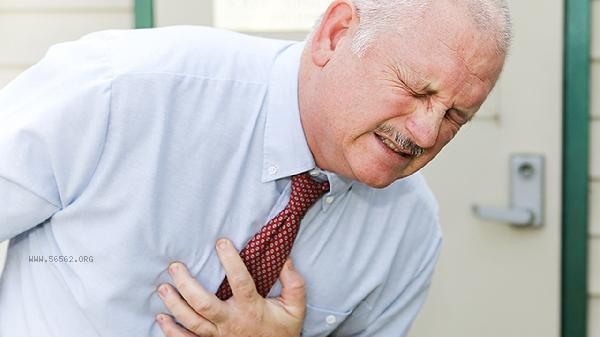
Patients with atrial fibrillation can take comprehensive intervention such as TCM decoction, acupuncture and moxibustion, acupoint application, dietotherapy and guidance under the guidance of TCM syndrome differentiation. Atrial fibrillation belongs to the category of palpitations and palpitations in traditional Chinese medicine, and treatment should be combined with the pathological characteristics of qi, blood, yin and yang imbalance, phlegm and blood stasis.

1. Traditional Chinese Medicine Soup
For the syndrome of insufficient heart qi, Zhigancao Tang can be modified to contain Zhigancao, ginseng, cassia twigs, etc., which can nourish qi and restore pulse. It is suitable for those whose heart yang is weak for Oyster soup with cinnamon twigs, licorice and keel. It contains cinnamon twigs, calcined keel and other yang warming and calming ingredients. The phlegm stasis obstructing collaterals syndrome is commonly treated with Gualou Xiebai Banxia decoction combined with Xuefu Zhuyu decoction, which contains medicinal herbs such as Gualou and Danshen for resolving phlegm and promoting blood circulation. Traditional Chinese medicine practitioners should adjust the formula based on tongue and pulse conditions to avoid self compatibility. Typical traditional Chinese patent medicines and simple preparations include Wenxin Granules, Shensong Yangxin Capsules, etc.
II. acupuncture and moxibustion therapy
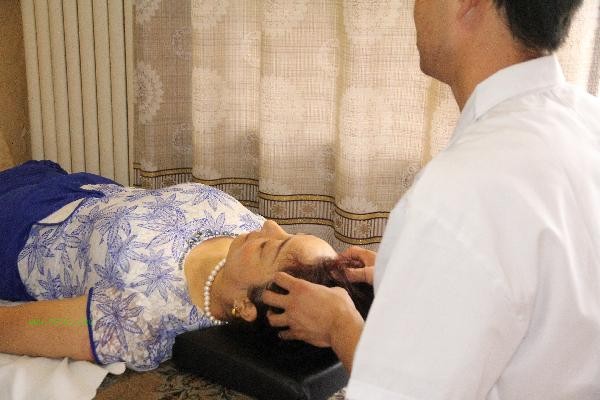
Select the middle acupoints of Neiguan, Shenmen and Shan, and adjust the autonomic nervous function through twisting and reinforcing reducing manipulation. The use of laxative therapy for empirical evidence and tonifying therapy for deficiency syndrome, combined with electroacupuncture stimulation, can prolong the effective refractory period of the atrium. Ear acupoints are taken from areas such as the heart, sympathetic system, and subcortical region, and pressed with Wangbuliuxing seeds. Acupuncture and moxibustion treatment should be performed by a licensed doctor three times a week, and 10 times is a course of treatment.
Third, Acupoint Application
Blood activating herbs such as Danshen and Sanqi are made into a paste and applied to the back shu points such as Xinshu and Jueyin shu, improving myocardial microcirculation through transdermal absorption. Summer Sanfu patches use Xinwen medicines such as mustard seed and Asarum, while winter Sanjiu patches use Wenyang San Han ingredients. People with skin allergies are prohibited from using it, and the application time should be controlled within 4-6 hours.
IV. Tonic Diet dietotherapy. The type of yin deficiency and fire excess is suitable for lily and lotus seed soup, which uses lilies, lotus seeds, and Ophiopogon japonicus to nourish yin and clear fire. For phlegm dampness constitution, it is recommended to drink hawthorn and tangerine peel. Take hawthorn, tangerine peel, and Poria cocos and boil them in water as a substitute for tea. Dietary therapy should be maintained for a long time, once a day, to avoid duplication with traditional Chinese medicine ingredients.
V. Guiding Health Preservation
Practice the Eight Section Brocade Swinging Head and Tail Style, Five Birds Playing with Apes, and other movements, combined with breath regulation methods to improve cardiac autonomic nervous system regulation. Practice for 30 minutes every morning and keep your heart rate below 100 beats per minute. Tai Chi techniques such as cloud hand and bird tail pulling can enhance vagus nerve tension, and excessive bending movements should be avoided. During traditional Chinese medicine treatment, continuous electrocardiogram monitoring is necessary. If atrial fibrillation occurs frequently or accompanied by syncope, timely combination with Western anticoagulant therapy is necessary. Maintain emotional stability, limit intake of strong tea and coffee, and limit daily salt intake to no more than 5 grams. Moderate aerobic exercise such as brisk walking and swimming, accumulating 150 minutes per week. Regular check ups of coagulation function, dynamic electrocardiogram and other indicators, combined with traditional Chinese and Western medicine treatment, can improve clinical efficacy.






Comments (0)
Leave a Comment
No comments yet
Be the first to share your thoughts!