
The TCM treatment methods for rheumatoid arthritis mainly include oral Chinese medicine, acupuncture and moxibustion, massage, cupping, moxibustion, etc. Rheumatoid arthritis is an autoimmune disease mainly characterized by chronic inflammation of the joint synovium. Traditional Chinese medicine believes that its onset is related to factors such as invasion of wind cold dampness, insufficient qi and blood, and liver and kidney deficiency.
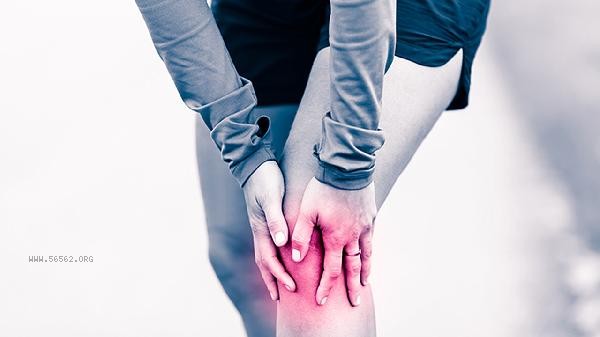
1. Oral administration of traditional Chinese medicine
Oral administration of traditional Chinese medicine is a commonly used method for treating rheumatoid arthritis, and different formulas can be selected according to the specific syndrome type of the patient. The wind cold dampness type can be treated with Duhuo Parasitic Decoction, which has the effects of dispelling wind, dispelling cold, dehumidifying and unblocking meridians. The damp heat obstruction type can be treated with Simiao Pill, which has the effects of clearing heat, promoting dampness, unblocking collaterals, and relieving pain. Huangqi Guizhi Wuwu Tang can be selected for the type of Qi and blood deficiency, which has the effects of nourishing qi and blood, unblocking collaterals and relieving pain. The liver and kidney deficiency type can be treated with Liuwei Dihuang Wan, which has the effects of nourishing the liver and kidneys, strengthening muscles and bones. The type of blood stasis obstructing collaterals can be treated with Shengtong Zhuyu Tang, which has the effects of promoting blood circulation, removing blood stasis, unblocking collaterals, and relieving pain.
2. acupuncture and moxibustion therapy
acupuncture and moxibustion therapy regulates the movement of qi and blood by stimulating specific points to alleviate joint symptoms. Common acupoints include Zusanli, Yanglingquan, Quchi, Hegu, etc. Acupuncture therapy can use filiform needles for flat tonifying and laxative techniques, leaving the needle for 20-30 minutes. Electroacupuncture therapy can be combined with electroacupuncture instruments to enhance stimulation intensity. Warming acupuncture and moxibustion is to place moxa sticks on the needle handle for heating after acupuncture, which has the function of warming channels and unblocking collaterals. Ear acupuncture therapy can select acupoints corresponding to the joints in the ear for stimulation. Fire needle therapy is the use of specially designed fire needles to quickly penetrate acupoints, which has the effect of warming meridians and dispelling coldness.
3. Tuina Massage
Tuina massage works on the tissues around the joints through manual techniques to improve local blood circulation. Rubbing method is to use the palm or fingertips to make circular movements around the joints, with moderate force. The pressing method is to use the thumb or palm root to press specific acupoints, with varying degrees of force. Push method is to use the palm root to push along the meridians, promoting the circulation of qi and blood. The method of grasping is to use the thumb and the other four fingers to pinch the muscles with relative force, relieving muscle tension. The tapping method is to use virtual palms to tap around the joints to promote local blood circulation. When massaging, attention should be paid to moderate intensity to avoid aggravating joint injuries.
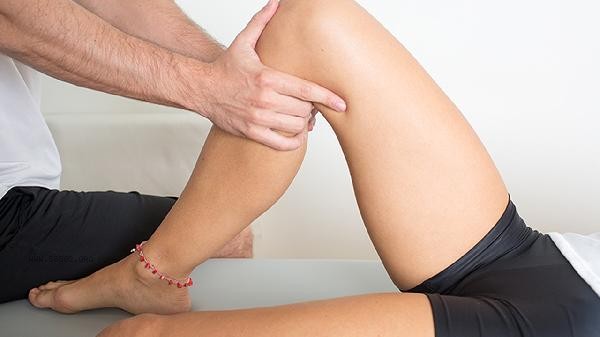
4. Cupping therapy
Cupping therapy promotes local Qi and blood circulation by creating negative pressure on the surface of the skin. The cupping method is to attach the cupping device to the skin and hold it for 5-10 minutes, suitable for large areas. The cupping method involves first applying a medium oil to the skin, and then pushing the cupping tool to move on the skin. The flash can method is to quickly remove the can after adsorption, and repeat 3-5 times. Puncturing and cupping the skin with a triangular needle before cupping, which has the effect of promoting blood circulation and removing blood stasis. A medicine jar is a process of placing traditional Chinese medicine solution inside the jar and then removing it to enhance the therapeutic effect. After cupping, attention should be paid to keeping warm and avoiding catching cold from the wind.
5. Moxibustion therapy
Moxibustion therapy stimulates acupoints through the heat generated by burning moxa sticks. Direct moxibustion is the application of moxa sticks directly onto the skin, suitable for treating cold dampness and pain. Ginger separated moxibustion is a method of placing ginger slices between the skin and mugwort to enhance the warming and dispelling cold effects. Gentle moxibustion is the application of moxibustion by hanging moxa sticks 2-3 centimeters above the acupoint, with a relatively mild temperature. Circular moxibustion is the process of rotating ignited moxa sticks around acupoints to expand the stimulation range. Bird pecking moxibustion is the process of applying moxibustion on mugwort sticks like a bird pecking at them, with a high intensity of stimulation. Attention should be paid to preventing burns during moxibustion, and avoid immediate contact with cold water after moxibustion. Patients with rheumatoid arthritis should pay attention to keeping their joints warm and avoiding exposure to cold and moisture while undergoing traditional Chinese medicine treatment. Maintain a regular schedule and ensure adequate sleep. The diet should be light and moderate, consuming foods that have the function of dispelling wind and dampness such as Job's tears and yam. Avoid overexertion and engage in joint function exercises such as Tai Chi and Baduanjin appropriately. Regular follow-up visits and adjustment of treatment plans based on changes in the condition. If symptoms such as joint redness, swelling, increased pain, or fever occur, seek medical attention promptly.





Comments (0)
Leave a Comment
No comments yet
Be the first to share your thoughts!