
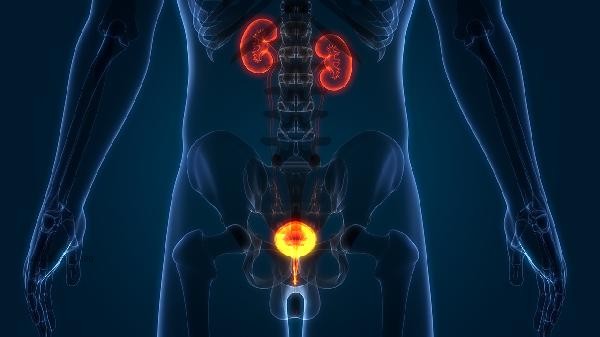
Traditional Chinese medicine treatment methods for prostate diseases mainly include oral administration of Chinese medicine, acupuncture and moxibustion treatment, massage therapy, diet conditioning, exercise therapy, etc. Prostate diseases may be related to factors such as damp heat accumulation, qi stagnation and blood stasis, and kidney qi deficiency, usually manifested as symptoms such as frequent urination, urgency, and difficulty urinating.
1. Oral administration of traditional Chinese medicine
Oral administration of traditional Chinese medicine is a commonly used method for treating prostate diseases in traditional Chinese medicine, which can be used according to syndrome differentiation and medication. The damp heat type can be treated with modified Bazheng San, which contains ingredients such as Plantago asiatica and Qumai, which can help clear heat and dampness. Qi stagnation and blood stasis type can be treated with Shaofu Zhuyu Tang, which contains ingredients such as Angelica sinensis and Paeonia lactiflora, and can promote blood circulation and remove blood stasis. Jinkui Shenqi Pill can be selected for kidney qi deficiency type, which contains prepared rehmannia root, yam, etc., and can warm and nourish kidney yang. Traditional Chinese medicine should be prescribed by a Chinese medicine practitioner based on syndrome differentiation, and self medication should be avoided.
2. acupuncture and moxibustion Treatment
acupuncture and moxibustion regulates the movement of qi and blood by stimulating specific points. Commonly used acupoints include Guanyuan, Qihai, Sanyinjiao, etc. Guanyuan acupoint is located three inches below the navel and can nourish kidney qi. The Qi Hai acupoint is located 1.5 inches below the navel and can regulate the Qi machine. San Yin Jiao is a acupoint on the Foot Tai Yin Spleen Meridian, which can strengthen the spleen and dispel dampness. Acupuncture and moxibustion needs to be operated by a professional doctor. It is treated 2-3 times a week, and 10 times is a course of treatment. The damp heat type can be combined with blood letting puncture, while the kidney deficiency type should use warm acupuncture and moxibustion.
3. Tuina therapy
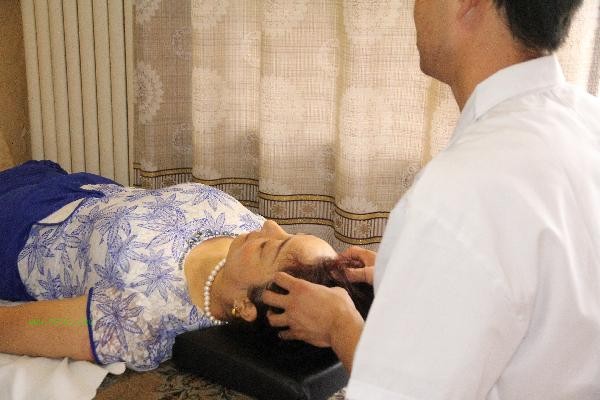
Tuina improves local qi and blood circulation through manual massage. Push upwards along the Ren meridian from the pubic symphysis to the navel and repeat for 5-10 minutes. Click on acupoints such as Zhongji and Qugu, and press each acupoint for 1-2 minutes. The lumbar and sacral regions use techniques such as rolling and kneading to relax muscles. Tuina can be combined with moxibustion to enhance the effect, but it is contraindicated during acute inflammation. Patients can also learn to self massage, once a day in the morning and once in the evening, with the appropriate intensity for a sour and swollen feeling.
4. Dietary Adjustment
Diet should be adjusted according to the syndrome type. For damp heat type, spicy and stimulating foods should be avoided, and appropriate amounts of moisture reducing ingredients such as winter melon and coix seed can be consumed. Qi stagnation and blood stasis type can be treated with blood activating substances such as hawthorn and roses. Kidney deficiency type is suitable for consuming kidney tonifying foods such as black beans and walnuts. Avoid drinking alcohol and coffee, drink 1500-2000 milliliters of water daily. You can drink substitute tea drinks such as corn beard tea and Plantago asiatica tea, but it should not be consumed in excess. Dietary adjustments need to be maintained for a long time and combined with other treatments.
5. Exercise therapy
Moderate exercise can help improve pelvic blood circulation. Recommend anal sphincter lifting exercise, contracting the anus 30-50 times a day, divided into 3 groups to complete. The "two hands supporting the heavenly principles and three burners" movement in the Eight Section Brocade can regulate the qi. Take a walk for 30-40 minutes every day, and the speed should not be too fast. Avoid prolonged sitting and cycling, and get up and move around every hour while sitting. Tai Chi can regulate qi and blood as a whole, but the amount of exercise should be reduced during the acute phase. Exercise should be done gradually, with a focus on avoiding fatigue. Patients with prostate diseases should maintain a regular schedule and avoid staying up late and overworking. Pay attention to genital hygiene and wear loose cotton underwear. Moderate warm water sitz baths can relieve discomfort, with a water temperature of around 40 ℃, for 15-20 minutes each time. Regularly reviewing prostate related indicators, combined traditional Chinese and Western medicine treatment yields better results. Maintain a relaxed mood and avoid anxiety and tension that may affect urination function. Strictly follow the doctor's advice for treatment, and do not increase or decrease the dosage or change the plan on your own.




Comments (0)
Leave a Comment
No comments yet
Be the first to share your thoughts!