
The TCM treatment of premature beat mainly includes Chinese medicine conditioning, acupuncture and moxibustion, massage, acupoint application, Qigong guidance, etc. Premature beats may be related to factors such as insufficient qi and blood, deficiency of both heart and spleen, liver depression and qi stagnation, phlegm and fire disturbance to the heart, blood stasis and obstruction of collaterals. They usually manifest as symptoms such as palpitations, chest tightness, shortness of breath, and fatigue.

1. Traditional Chinese Medicine Regulation
Traditional Chinese medicine regulation is a commonly used method for treating premature beats in traditional Chinese medicine, and the prescription should be selected according to the syndrome type. Patients with both heart and spleen deficiency can choose modified Guipi Tang, which contains medicinal herbs such as Huangqi, Codonopsis pilosula, and atractylodes macrocephala; Patients with liver depression and qi stagnation can use Chaihu Shugan San, which contains Chaihu, Xiangfu, Chenpi, etc; Those with phlegm and fire disturbing the heart should choose Huanglian Wendan Tang, which contains Huanglian, Banxia, Zhuru, etc. Traditional Chinese medicine should be prescribed by a Chinese medicine practitioner based on syndrome differentiation, and self medication should be avoided. Some patients need to cooperate with sedative drugs such as sour jujube kernels, cypress kernels, etc. to improve their sleep quality.
2. acupuncture and moxibustion therapy
acupuncture and moxibustion regulates the heart function by stimulating specific points. Common points include Neiguan, Shenmen, Xinshu, Tanzhong. The Neiguan acupoint is located on the palmar side of the forearm, 2 inches above the wrist crease, and is mainly used for treating palpitations and chest tightness; The Shenmen acupoint is located at the ulnar end of the wrist crease, which can calm the heart and mind. The acupuncture technique mainly focuses on tonifying and relieving diarrhea, with 20-30 minutes of needle retention each time, and 10 times as one course of treatment. Ear acupressure can also be used as an auxiliary treatment, often selecting ear acupoints such as heart, sympathetic, and Shenmen, and applying Wangbuliu Xingzi plaster.
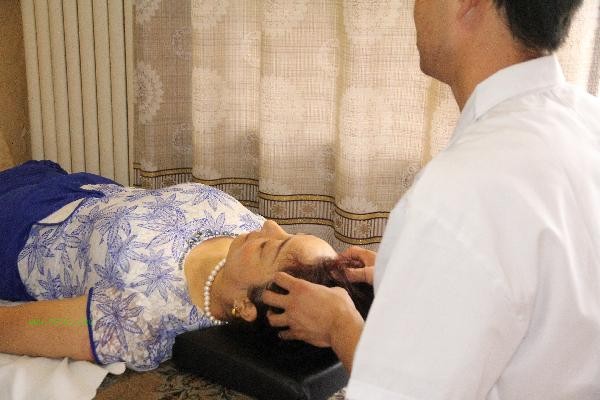
3. Tuina Massage
Tuina massage improves heart blood supply by stimulating meridians and acupoints through manual techniques. You can massage acupoints such as Neiguan, Laogong, and Yongquan by yourself. Use your thumb to press the Neiguan acupoint for 3-5 minutes, and the Laogong acupoint is located at the center of your palm. When making a fist, use your opposite thumb to rub and press the middle fingertip. The heart acupoints on the back can be pressed with the assistance of others, and the effect is better when combined with spinal techniques. When massaging, the intensity should be moderate to avoid excessive stimulation. It is recommended to massage 1-2 times a day for 15-20 minutes each time.

4. Acupoint plaster
Acupoint plaster applies medication to specific acupoints to exert therapeutic effects. Commonly used medicinal herbs such as Fructus Evodiae, Cinnamomum cassia, and Salvia miltiorrhiza are ground into powder, mixed with vinegar or ginger juice to form a paste, and applied to acupoints such as Neiguan, Danzhong, and Xinshu. After 6-8 hours, they are removed. Sanfu Tie can also be used for premature beats of deficiency cold type, using warming drugs such as mustard seed and Asarum. People with sensitive skin need to shorten the application time, and stop using it immediately if there is a rash. Pregnant women and those with skin damage are prohibited from using this method.
5. Qigong guidance
Qigong guidance improves heart function by regulating breath, body, and heart. Recommend practicing health preserving techniques such as the Eight Section Brocade and Six Character Formula, with a focus on movements such as using both hands to support the celestial body's three burners, shaking the head and tail to dispel internal heat. Practicing for 30 minutes every morning, combined with deep breathing, can regulate autonomic nervous system function. The movements of Cloud Hand and Catching Sparrow Tail in Tai Chi also help with the circulation of qi and blood. During practice, it is necessary to maintain a calm state of mind and avoid overexertion. If the heart rate worsens abnormally, it should be stopped immediately. Patients with premature beats should pay attention to maintaining emotional stability in daily life, avoiding excessive fatigue and mental tension. The diet should be light and avoid spicy and stimulating foods. It is recommended to consume lotus seeds, longan meat, sour jujube kernels, and other nourishing and calming foods in moderation. Ensuring adequate sleep and soaking feet in warm water before bedtime can help improve blood circulation. Moderately engage in low-intensity exercises such as walking and yoga to avoid inducing arrhythmia through vigorous exercise. Regularly monitor heart rate changes. If premature beats occur frequently or are accompanied by symptoms such as fainting and chest pain, seek medical attention promptly to diagnose organic heart disease.






Comments (0)
Leave a Comment
No comments yet
Be the first to share your thoughts!