
Traditional Chinese medicine treatment methods for nasopharyngeal carcinoma mainly include traditional Chinese medicine decoction, acupuncture and moxibustion, massage, moxibustion and external application. Nasopharyngeal carcinoma is a malignant tumor that occurs in the mucous membrane of the nasopharynx. Traditional Chinese medicine treatment is usually used as an adjunct to Western medicine treatment, or to improve symptoms and enhance quality of life.

1. Traditional Chinese Medicine decoctions
Traditional Chinese medicine believes that nasopharyngeal carcinoma is often related to the accumulation of heat toxins, qi stagnation, and blood stasis. Formulas that clear heat and detoxify, promote blood circulation, and remove blood stasis are often used. Common combinations include traditional Chinese medicines with anti-tumor effects such as Hedyotis diffusa, Scutellaria barbata, and Sophora alopecuroides. They can be combined with traditional Chinese medicines such as Astragalus membranaceus and Codonopsis pilosula to reduce the side effects of radiotherapy and chemotherapy. Traditional Chinese medicine practitioners should adjust the prescription based on the patient's tongue and pulse differentiation, and avoid self medication.
2. acupuncture and moxibustion
can regulate the movement of qi and blood by stimulating Hegu, Zusanli and other acupoints, which may alleviate the headache, increased nasal secretion and other symptoms of nasopharyngeal carcinoma patients. Ear acupuncture therapy often selects acupoints such as endocrine and Shenmen to regulate immune function. Acupuncture and moxibustion should be operated by professional doctors to avoid infection risk to patients with low immune function.
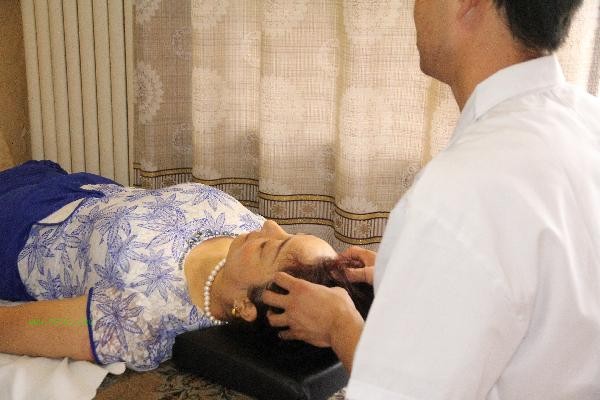
3. Tuina
improves local blood circulation by massaging acupoints on the head and neck, reducing tissue stiffness and pain caused by radiation therapy. Common techniques include tapping the wind pit and temples, combined with gentle neck kneading. Attention should be paid to the local contraindication of applying excessive pressure to the tumor area, and the patient's platelet level should be evaluated before and after massage.

4. Moxibustion
Applying moxibustion to strong acupoints such as Guan Yuan and Qi Hai can enhance Yang Qi, and is suitable for patients with fatigue and loss of appetite after radiotherapy and chemotherapy. Moxibusting the Dazhui acupoint with ginger can help alleviate nasal congestion symptoms. However, it is contraindicated when there is yin deficiency and excessive fire or when there are ulcers in the tumor area. Ai smoke may irritate the respiratory tract and should be handled with caution.
5. External application therapy
Grind the heat clearing and detoxifying Chinese medicine and make it into a paste for external application on the neck. For example, borneol combined with coptis chinensis can relieve local swelling and pain. Chrysanthemum and honeysuckle decoction can also be used to fumigate and wash the nasal cavity to improve ventilation. Skin damage should be avoided from direct contact with irritating drugs, and an allergy test should be conducted before use. Traditional Chinese medicine treatment for nasopharyngeal carcinoma should be carried out under the guidance of oncology specialists and cannot replace major treatment methods such as surgery and radiotherapy. Patients should maintain a balanced diet, consume moderate amounts of lung moistening ingredients such as lilies and Tremella fuciformis, and avoid spicy and stimulating foods. Perform moderate breathing exercises such as the Eight Section Brocade to ensure adequate sleep. Regularly review blood routine and imaging examinations. If symptoms such as enlarged neck mass and persistent nosebleeds occur, seek medical attention immediately.






Comments (0)
Leave a Comment
No comments yet
Be the first to share your thoughts!