
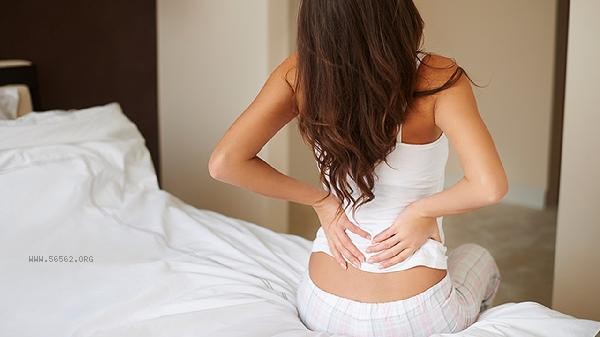
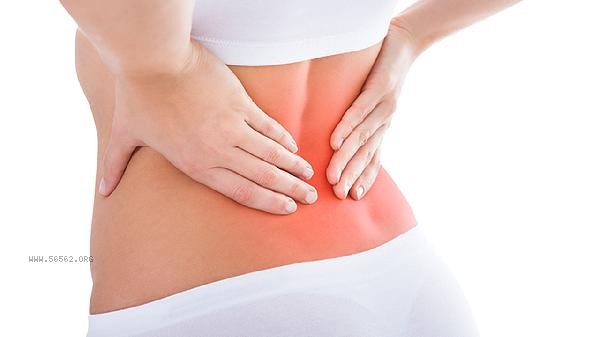
The TCM treatment methods for lumbar disc herniation mainly include oral Chinese medicine, acupuncture and moxibustion, massage, cupping, and external application of Chinese medicine. Lumbar disc herniation is usually caused by long-term strain, trauma, degenerative changes, and other factors, manifested as symptoms such as lower back pain, lower limb radiating pain, and limited mobility. It is recommended to seek medical attention promptly and choose a suitable treatment plan under the guidance of a professional traditional Chinese medicine practitioner.
1. Oral administration of traditional Chinese medicine
The addition and subtraction of Duhuo Jisheng Decoction is commonly used in TCM treatment based on syndrome differentiation, which is applicable to lumbar intervertebral disc herniation of liver and kidney deficiency, and can be combined with traditional Chinese patent medicines and simple preparations such as Yaotongning capsule and Zhuanggu Joint Pill. Guizhi Fuzi Tang can be used for cold and humid types, while Simiao Wan can be selected for damp and hot types. Traditional Chinese medicine needs to be adjusted according to individual physical differences in compatibility. Common medicinal herbs include Eucommia ulmoides, Mulberry Parasite, Achyranthes Achyranthes, and other drugs with strong muscle and bone strengthening effects.
2. acupuncture and moxibustion therapy
mainly selects Shenshu, Dachangshu, Huantiao, Weizhong acupoints, and uses the method of tonifying and reducing. In the acute phase, it can cooperate with electroacupuncture to relieve pain, and in the chronic phase, it can apply warm acupuncture and moxibustion to improve local circulation. Each treatment lasts 20-30 minutes, with 10 sessions constituting one course of treatment. Acupuncture and moxibustion can regulate the qi and blood of the meridians, reduce the edema of nerve roots, and relieve muscle spasm.
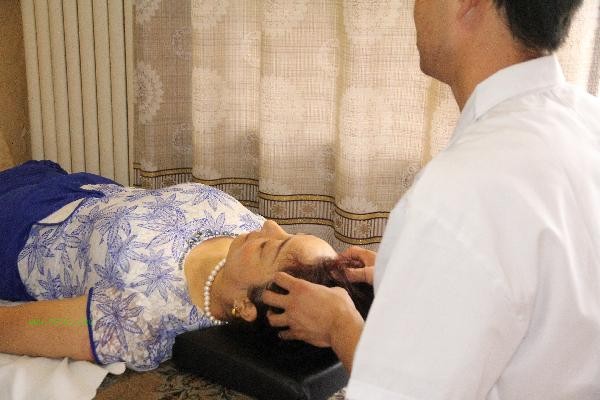
3. Tuina massage
uses techniques such as rolling, pressing, and kneading to relax the muscles in the lower back, combined with lumbar traction techniques to adjust small joint disorders. Be careful to avoid violent spinning techniques and use with caution during the acute phase. Tuina can improve local blood circulation, promote inflammation absorption, and the appropriate treatment time is 15-20 minutes per session.

4. Cupping therapy
involves cupping or cupping in the lumbar and sacral regions and pain radiating areas for 5-10 minutes. Cupping can dispel wind, dispel cold, promote blood circulation and remove blood stasis, suitable for patients with cold dampness and blood stasis type. Individuals with skin damage or coagulation dysfunction are prohibited from using it. After treatment, it is important to keep warm and avoid catching a cold.
5. External application of traditional Chinese medicine
Chinese herbal medicines that promote blood circulation and remove blood stasis are made into ointments or powders and applied to the affected area. Common medications include safflower, frankincense, myrrh, etc. Finished patches such as dampness relieving pain cream and pain relieving plaster can be used. External medication can be absorbed through the skin directly to the site of the disease, relieving local inflammatory reactions. When using, it is necessary to observe whether there is an allergic reaction on the skin. Patients with lumbar disc herniation should avoid prolonged sitting and standing in their daily lives, choose a hard bed for sleep, and pay attention to keeping their waist warm. During the acute phase, it is necessary to rest in bed for 2-3 days. During the remission phase, five point support and flying swallow style isosceles dorsalis muscle function exercises can be performed. It is advisable to consume more calcium rich milk and soy products in diet, and supplement vitamin D in moderation to promote calcium absorption. Control weight to reduce lumbar load, avoid dangerous movements such as lifting heavy objects and sudden twisting of the waist. If there is numbness and weakness in the lower limbs or dysfunction in urination and defecation, seek medical attention immediately.





Comments (0)
Leave a Comment
No comments yet
Be the first to share your thoughts!