
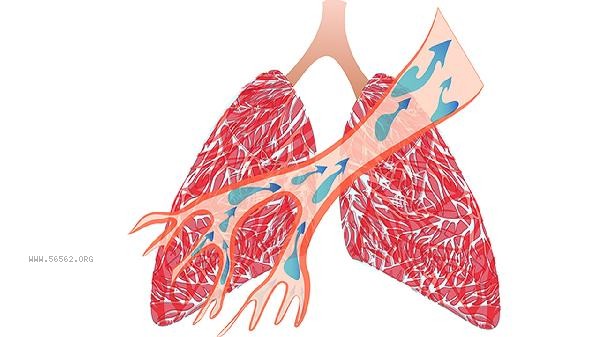
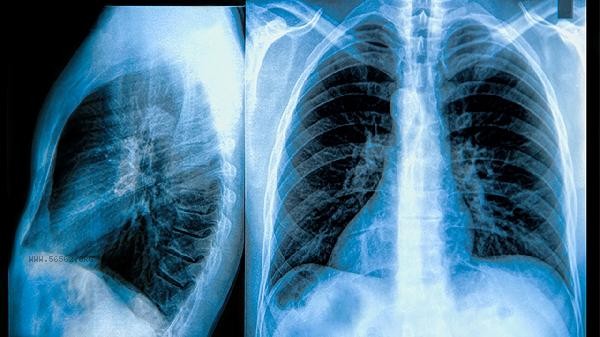
The TCM treatment of COPD mainly includes Chinese herbal decoction, acupuncture and moxibustion therapy, acupoint application, massage, Qigong conditioning, etc. Chronic obstructive pulmonary disease (COPD) belongs to the category of lung distension and wheezing in traditional Chinese medicine, and is often related to dysfunction of the lungs, spleen, and kidneys. It is recommended that patients receive diagnosis and treatment under the guidance of professional TCM practitioners.
1. Traditional Chinese Medicine Decoction
Different formulas are selected according to the syndrome type. For phlegm heat stagnation of the lungs syndrome, Sangbaipi Decoction can be modified to include Sangbaipi, Huangqin, Zhejiang Fritillaria, etc; The commonly used formula for lung spleen qi deficiency syndrome is Liujunzi decoction combined with Yupingfeng powder, which contains Codonopsis pilosula, atractylodes macrocephala, Astragalus membranaceus, etc; Jinkui Shenqi Pill and Shenge Powder are commonly used for the syndrome of kidney failing to receive qi, including prepared rehmannia, cornus officinalis, gecko, etc. Some medicinal herbs such as ephedra may cause palpitations, and aconite should be decocted to reduce toxicity first.
2. acupuncture and moxibustion therapy
The main points are Feishu, Dingchuan, Tanzhong, together with Zusanli, Shenshu and other points. For empirical cases, the laxative method is used to needle the Dazhui and Fengmen, while for deficiency cases, the tonifying method is used to add moxibustion on Guanyuan and Qihai. For acute attacks of cough and shortness of breath, acupuncture at the fish border and groin can quickly relieve asthma. Use with caution in patients with skin infections and coagulation disorders.
3. Acupoint application
San Fu Tie commonly uses drugs such as mustard seed, Xixin, and Gansui to apply to the Fei Shu and Gao Xian acupoints, absorbing warm yang and dispelling cold through transdermal absorption. Continuous application during the summer Sanfu period for 3 years can reduce winter attacks. People with skin allergies need to undergo testing before use, and the application time should not exceed 4 hours.
4. Massage and massage
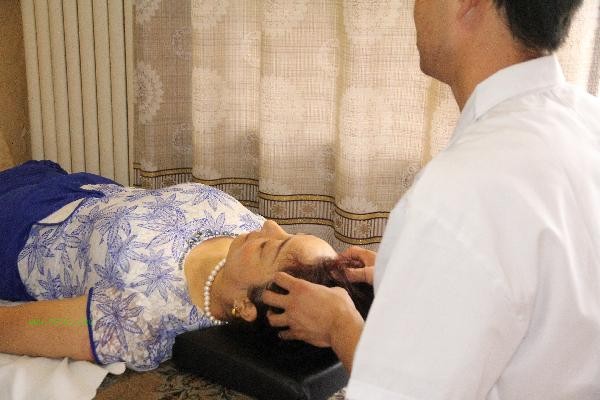
Push and press the Back Shu acupoint along the bladder meridian, and click on the Tian Tu and Zhong Fu acupoints to relieve chest tightness. Cooperate with the method of vibrating the abdomen to regulate the spleen and stomach, rub the palms and ribs to soothe the liver and regulate qi. During the acute phase, one can pinch and press Hegu and Neiguan to stop wheezing. Osteoporosis patients need to control the strength of their manual dexterity to avoid rib fractures.
5. Qigong regulation
Eight section brocade "regulating the spleen and stomach requires a single lift" and "supporting the heavenly principles with both hands and three burners" can enhance diaphragm movement, and the six character formula "呬" specifically regulates the lungs. It is recommended to practice for 30 minutes every morning, in conjunction with abdominal breathing training. Patients with severe emphysema should avoid holding their breath. Traditional Chinese medicine treatment needs to be persisted for 3-6 months to show significant effects, during which regular follow-up visits should be made to adjust the plan. Cooperate with lifestyle management such as quitting smoking, avoiding dust, and preventing colds, and promptly adopt Western medicine antispasmodic and asthma treatment during the acute exacerbation period. In winter, keep your back warm, eat a light and warm diet, eat lily Broth of white fungus, yam Congee and other foods to moisten the lungs and strengthen the spleen, and moderately perform aerobic exercises such as shadowboxing and walking to improve lung function.





Comments (0)
Leave a Comment
No comments yet
Be the first to share your thoughts!