
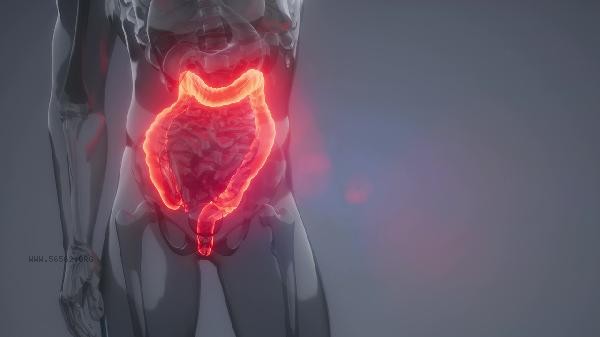
Chronic colitis can be treated by taking Chinese medicine orally, acupuncture and moxibustion therapy, moxibustion therapy, massage therapy, diet conditioning and other Chinese medicine methods. Chronic colitis is usually related to factors such as spleen and stomach weakness, damp heat accumulation, liver depression and qi stagnation, insufficient kidney yang, and invasion of external pathogens, manifested as symptoms such as abdominal pain, diarrhea, and mucous stools.
1. Oral administration of traditional Chinese medicine
Traditional Chinese medicine treatment for chronic colitis requires differentiation and treatment. For those with weak spleen and stomach, Shen Ling Bai Zhu San can be used. For those with damp heat accumulation, Ge Gen Qin Lian Tang can be used. For those with liver depression and qi stagnation, Tong Xie Yao Fang can be used. Commonly used traditional Chinese patent medicines and simple preparations includes Bupi Yichang Pill, Changweining Tablet, Guben Yichang Tablet, etc., which should be selected according to the syndrome type under the guidance of traditional Chinese medicine practitioners. The traditional Chinese medicine treatment course is relatively long and requires continuous conditioning for 1-3 months.
2. acupuncture and moxibustion therapy
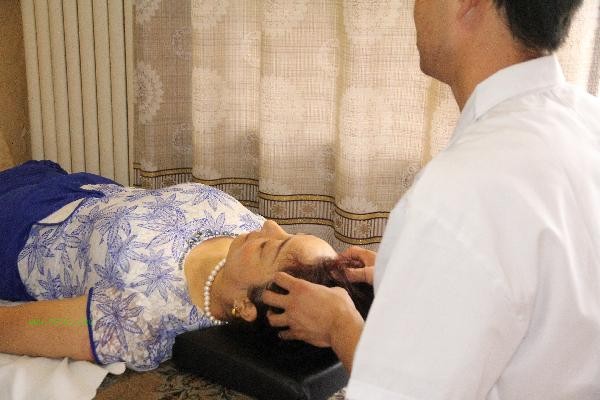
acupuncture and moxibustion regulates gastrointestinal function by stimulating Zusanli, Tianshu, Guanyuan and other acupoints. Empirical evidence often uses laxative methods, while deficiency syndrome often uses tonifying methods, combined with electroacupuncture or warm needling to enhance therapeutic effects. Treat 2-3 times a week, with 10 times as one course of treatment. Acupuncture and moxibustion can relieve abdominal pain and improve intestinal peristalsis, but it should be used with caution during acute attack.
3. Moxibustion therapy
Moxibustion is suitable for patients with spleen and stomach deficiency cold type, and acupoints such as Shenque, Zhongwan, and Qihai are often selected. Ginger separated moxibustion or mild moxibustion for 15-20 minutes each time, with local flushing as the degree. Moxibustion can warm yang, dispel cold, stop diarrhea and relieve pain, but it is contraindicated for damp heat syndrome. During the treatment period, attention should be paid to avoiding burns, and it is recommended to have a professional physician perform the operation.
4. Massage therapy
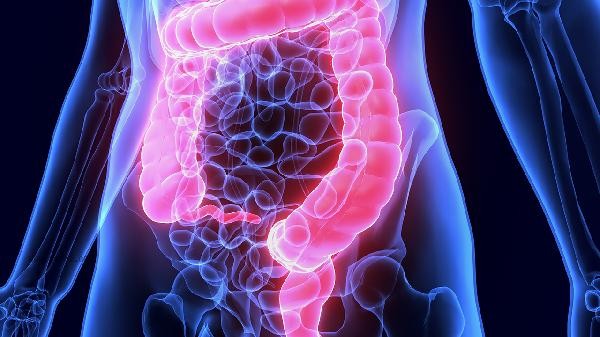
Abdominal massage mainly involves massaging the abdomen and navel, combined with acupoints such as the Spleen Shu and Stomach Shu on the back. The technique should be gentle and slow, massage clockwise to promote intestinal peristalsis. Once a day for 15 minutes each time can improve bloating and regulate gut microbiota. Patients with acute inflammation or abdominal skin damage should not undergo it.
5. Dietary Adjustment
Traditional Chinese medicine emphasizes avoiding raw, cold, and greasy foods, and recommends spleen strengthening ingredients such as yam, Job's tears, and lotus seeds. The damp heat type is suitable to eat purslane and winter melon, while the deficiency cold type can use ginger and jujube to make porridge. Eat small meals and avoid spicy and stimulating foods. It can be adjusted with Tonic Diet such as burnt hawthorn and fried malt, which needs to be persisted for a long time.
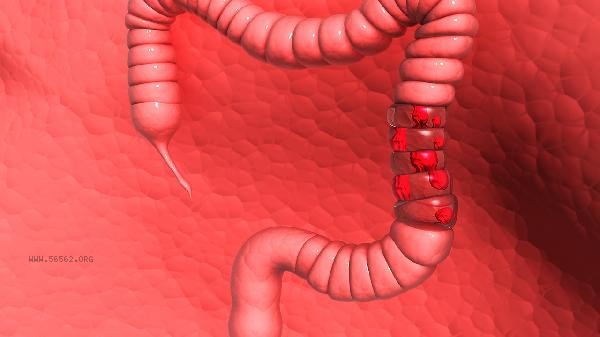
Patients with chronic colitis need to maintain a regular daily routine, avoid overwork and mental stress. Pay attention to keeping your abdomen warm and avoid excessive consumption of cold drinks in summer. Practice soothing exercises such as Ba Duan Jin and Tai Chi appropriately to enhance physical fitness. During the treatment period, regular follow-up visits should be made to adjust the plan. If there are emergencies such as rectal bleeding or fever, medical attention should be sought in a timely manner. The combination of traditional Chinese and Western medicine treatment can improve the efficacy, but it is necessary to avoid self medication abuse.





Comments (0)
Leave a Comment
No comments yet
Be the first to share your thoughts!