
The TCM treatment of cervical spondylosis mainly includes acupuncture and moxibustion, massage, oral Chinese medicine, cupping, traction, etc. Cervical spondylosis is often caused by long-term strain, invasion of wind, cold, and dampness pathogens, or insufficient liver and kidney function. It manifests as symptoms such as neck and shoulder pain, dizziness, and numbness. It is necessary to choose appropriate treatment based on individual circumstances.

1. acupuncture and moxibustion
acupuncture and moxibustion can dredge the meridians by stimulating the wind pool, shoulder well and other points, and relieve the spasm and pain of the neck muscles. Suitable for cervical spondylosis of qi blood stasis type, often combined with electroacupuncture or warm needling to enhance therapeutic effect. During treatment, there may be local soreness and swelling, which should be handled by a professional physician to avoid needle dizziness.
2. Tuina
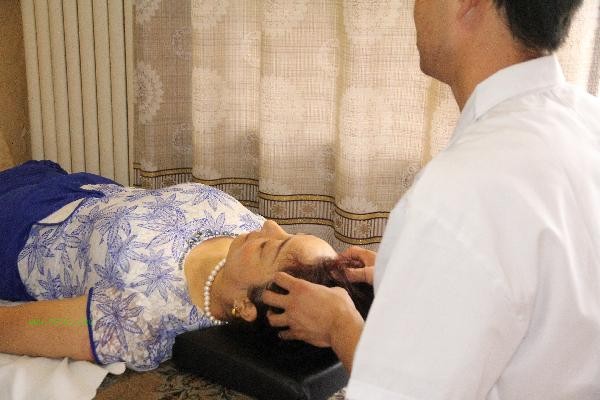
Tuina uses techniques such as rolling and pressing to loosen soft tissue adhesions in the neck and improve blood circulation. It has a significant effect on cervical spondylotic radiculopathy and can be adjusted with orthopedic techniques to correct small joint misalignment. During the acute phase, gentle techniques should be used to avoid secondary injuries caused by violence.
3. Oral administration of traditional Chinese medicine
For wind cold dampness syndrome, Guizhi and Gegen decoction can be used to dispel wind and dispel cold. For Qi stagnation and blood stasis syndrome, Xuefu Zhuyu decoction can be used to promote blood circulation and unblock collaterals. Traditional Chinese medicine needs to be treated based on syndrome differentiation. For example, Jingfukang granules contain ingredients such as Qianghuo and Chuanxiong, which can alleviate dizziness and neck stiffness caused by chronic cervical spondylosis.

4. Cupping
Cupping promotes local metabolism by creating negative pressure in the neck and shoulders, and is suitable for wind cold cervical spondylosis. Keeping the can for 5-10 minutes may result in purple red can marks, which is a normal phenomenon. People with skin damage or coagulation dysfunction are prohibited from using it.
5. Traction
Cervical traction can increase intervertebral space and reduce nerve compression, and is suitable for cervical spondylotic myelopathy. Intermittent traction method should be used, gradually increasing the weight from 3-5 kilograms to avoid ligament relaxation caused by excessive traction. Use with caution in patients with severe osteoporosis.

During traditional Chinese medicine treatment, it is advisable to avoid bowing your head for a long time. When sleeping, choose a pillow that is highly suitable and can be combined with gentle exercises such as Ba Duan Jin to enhance neck muscle strength. Pay attention to keeping your neck warm in daily life, and wear a scarf in cold weather. If there are symptoms of spinal cord compression such as upper limb weakness or unstable walking, timely medical evaluation should be sought to determine whether surgical treatment is needed. Diet should be warm and nourish the liver and kidneys, with moderate consumption of ingredients such as black sesame and walnuts.





Comments (0)
Leave a Comment
No comments yet
Be the first to share your thoughts!