
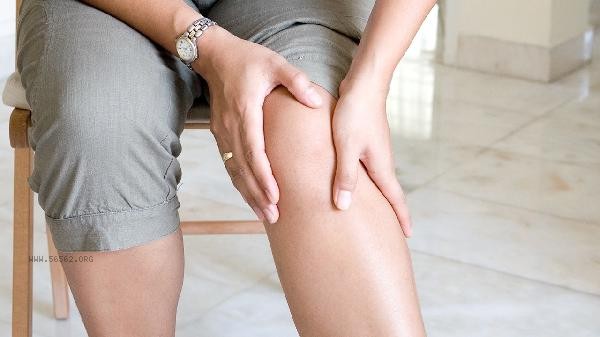
The anterior dislocation of hip joint can be treated by manual reduction, oral and external application of Chinese medicine, acupuncture and moxibustion and massage, functional exercise, surgical intervention, etc. Anterior dislocation of the hip joint is usually caused by external trauma, abnormal joint structure, and other factors. Clinical manifestations include limb shortening deformity, limited mobility, pain, and other symptoms.
1. Manual Reduction
In the acute phase, traditional Chinese medicine orthopedic techniques such as pulling and stretching, end lifting and pressing are preferred for reduction. Muscle spasms are relieved by stretching, and the femoral head is retracted into the hip socket. After resetting, it is necessary to use bandages or plaster to fix the affected limb for 2-3 weeks to avoid premature weight-bearing. This method is suitable for most cases of simple dislocation, but it is contraindicated when combined with fractures or vascular and nerve injuries.
2. Oral and External Application of Traditional Chinese Medicine
In the early stage, blood activating and stasis removing ointments such as Yunnan White Ointment and Di Da Wan Hua Oil can be applied externally, combined with oral administration of Peach Blossom Four Ingredient Decoction to reduce swelling and relieve pain. In the mid-term, we will switch to using bone tonics such as Jiegu Qili tablets, and in the later stage, we will mainly focus on nourishing the liver and kidneys, such as Duhuo Parasitic Decoction. People with damp heat constitution need to use herbal medicines such as Huangbai and Cangzhu to clear heat and promote dampness.
3. acupuncture and moxibustion and massage
Acupuncture at Huantiao, Chengfu and other acupoints, together with electroacupuncture stimulation, promotes local blood circulation. Massage uses kneading and tapping techniques to release adhesions in the buttocks muscles and restore joint mobility. The recommended treatment frequency is 3 times a week, with 10 times being one course of treatment. Attention should be paid to avoiding heavy manual operations during the acute swelling period.
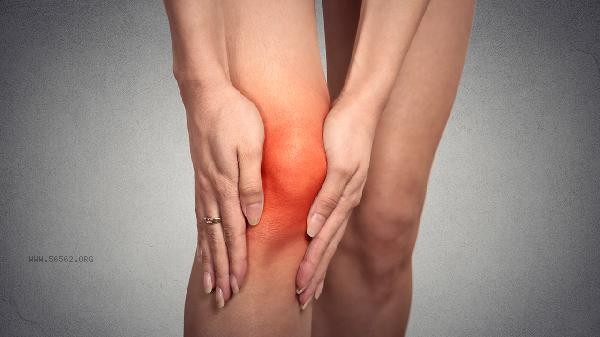
4. Functional exercise [SEP]: After the fixation is released, gradually perform hip joint flexion, extension, and abduction training. In the initial stage, use a lying position to pedal a bicycle, and in the later stage, increase resistance exercises. It can be combined with traditional techniques such as Eight Section Brocade and Five Animal Play to enhance the stability of core muscle groups. The training intensity should not induce pain, and the daily total should not exceed 30 minutes.
5. Surgical intervention
When there is repeated dislocation or combined acetabular fracture, surgery such as joint capsule repair, bone block surgery, etc. is required. After surgery, traditional Chinese medicine fumigation and washing can be combined to promote wound healing. Commonly used methods include boiling mugwort leaves, safflower, etc. for fumigation. The surgical plan needs to be personalized according to age and occupational requirements, and special populations such as athletes may require ligament reconstruction.
Avoid vigorous running and jumping exercises within 3 months after treatment, and place soft pillows between legs during sleep to prevent adduction. Diet should be supplemented with collagen rich pig trotters and cow tail soup, and spicy foods should be avoided. Regularly review X-ray to evaluate joint alignment, and if there is limping or worsening pain, timely follow-up is necessary. Traditional Chinese medicine emphasizes the equal importance of muscles and bones, as well as the combination of movement and stillness. rehabilitation management should be carried out under the guidance of professional physicians throughout the entire process.





Comments (0)
Leave a Comment
No comments yet
Be the first to share your thoughts!