
Traditional Chinese medicine treatment of ankylosing spondylitis mainly includes oral Chinese medicine, acupuncture and moxibustion, massage, moxibustion, and external application of Chinese medicine. Ankylosing spondylitis is a chronic inflammatory disease, which is believed to be related to factors such as kidney deficiency, cold regulation, and stagnation of qi and blood in traditional Chinese medicine. Treatment with traditional Chinese medicine can alleviate symptoms and delay disease progression.

1. Oral administration of traditional Chinese medicine
Traditional Chinese medicine will prescribe personalized prescriptions based on the patient's specific syndrome type, commonly including Duhuo Parasitic Decoction, Bushen Qiangdu Decoction, etc. For kidney deficiency and Du cold syndrome, the drugs of Radix Rehmanniae Preparata and Fructus Corni can be used to tonify kidney yang isothermal; Medicinal herbs such as Angelica sinensis and Ligusticum chuanxiong that promote blood circulation and remove blood stasis can be selected for the Qi blood stasis type. Traditional Chinese medicine needs to be prescribed by a Chinese medicine practitioner based on syndrome differentiation, and usually requires long-term use to take effect. During the medication period, it is necessary to avoid eating raw, cold, and spicy foods.
2. acupuncture and moxibustion Therapy
acupuncture and moxibustion dredges the meridians and harmonizes qi and blood by stimulating specific points. Commonly used acupoints include Mingmen, Shenshu, Yaoyangguan, etc. Warm needling or electroacupuncture can be used to enhance the effect. Acupuncture and moxibustion treatment is performed 2-3 times a week, 10-15 times as a course of treatment. It has a good relieving effect on morning stiffness and pain symptoms, but it is important to avoid applying needles at the site of skin damage.
3. Tuina massage
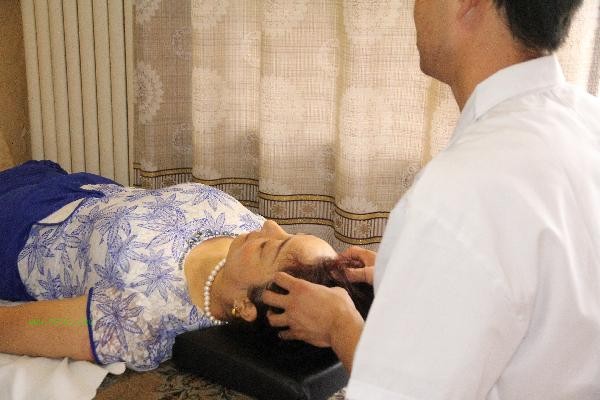
Tuina techniques can relieve muscle spasms and improve joint mobility. Common techniques include rolling, kneading, and pressing, with a focus on the bladder meridian on both sides of the spine. Tuina massage should be performed by professional physicians with moderate intensity to avoid injuries caused by violent techniques. Can be used in conjunction with medicinal oils that promote blood circulation and remove blood stasis to enhance therapeutic efficacy.

4. Moxibustion therapy
Moxibustion achieves the effects of warming meridians, dispelling cold, promoting blood circulation, and unblocking collaterals through warm stimulation. Ginger separated moxibustion or direct moxibustion can be used, mainly applied to acupoints on the Du meridian and bladder meridian. Moxibustion treatment lasts 15-20 minutes each time, with the degree of local skin flushing. Moxibustion has a significant effect on relieving morning stiffness and chills, but it should be used with caution for those with yin deficiency and excessive fire.
5. External application of traditional Chinese medicine [SEP]: Traditional Chinese medicine with the effects of promoting blood circulation, removing blood stasis, warming meridians, and dispelling cold is made into a paste or medicine package and applied externally to the painful area. Commonly used medicines include Aconitum carmichaelii, Aconitum carmichaelii, and Cinnamomum cassia, which can promote drug absorption through hot compress. External application of medication may cause skin allergies, and a small area test should be conducted before use. It is prohibited to use it on damaged skin areas. Traditional Chinese Medicine (TCM) treatment for ankylosing spondylitis requires long-term adherence, and it is recommended that patients develop personalized treatment plans under the guidance of professional TCM practitioners. In daily life, attention should be paid to keeping warm, avoiding prolonged sitting and standing, and engaging in soothing exercises such as swimming and Tai Chi. In terms of diet, it is recommended to consume more kidney tonifying foods such as black beans and walnuts, and avoid cold foods. If symptoms worsen or new symptoms appear, timely follow-up visits should be made to adjust the treatment plan.






Comments (0)
Leave a Comment
No comments yet
Be the first to share your thoughts!