
The traditional Chinese medicine syndrome differentiation of 10mm pulmonary nodules mainly includes phlegm dampness accumulation in the lungs, qi stagnation and blood stasis, lung spleen qi deficiency, yin deficiency and lung dryness, and heat toxin obstructing the lungs. Pulmonary nodules may be related to long-term smoking, environmental pollution, chronic inflammatory stimulation, and other factors. Traditional Chinese medicine treatment should be combined with specific syndrome types to adopt methods such as resolving phlegm and dispersing nodules, promoting blood circulation and removing blood stasis, and nourishing qi and spleen.
1. Phlegm dampness accumulation type
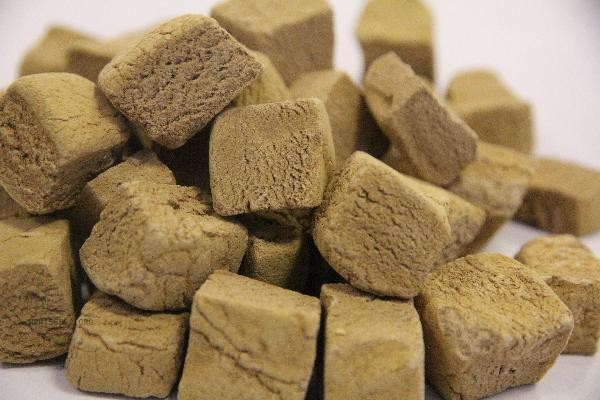
Phlegm dampness accumulation type pulmonary nodules are often caused by spleen dysfunction and water and dampness stagnation, often manifested as cough, phlegm, chest tightness, shortness of breath, and white and greasy tongue coating. The treatment mainly focuses on strengthening the spleen and resolving phlegm, and can use modified Er Chen Tang, combined with traditional Chinese medicine such as Poria cocos and Pinellia ternata. In daily life, it is necessary to avoid raw, cold, and greasy foods, and consume spleen strengthening ingredients such as yam and coix seed in moderation.
II. Qi stagnation and blood stasis type
Qi stagnation and blood stasis type pulmonary nodules are commonly seen in emotional disorders or after trauma, with symptoms including chest and rib distension and pain, hard fixation of nodules, and purple and dark tongue texture. Traditional Chinese medicine commonly uses modified Xuefu Zhuyu Tang, supplemented with blood activating drugs such as Danshen and Sanqi. Patients should maintain emotional stability, avoid vigorous exercise, and drink rose tea appropriately to soothe the liver and relieve depression.
III. Pulmonary spleen qi deficiency type
Pulmonary spleen qi deficiency type is more common in weak or chronically ill individuals, characterized by shortness of breath, decreased appetite, and slow nodule growth. The treatment mainly focuses on nourishing the spleen and lungs, and commonly uses Liujunzi decoction such as Huangqi and Codonopsis pilosula. It is recommended that patients follow a regular schedule and engage in moderate exercise such as Ba Duan Jin. Their diet can also include nourishing ingredients such as lotus seeds and red dates.
Fourth, Yin deficiency and lung dryness type
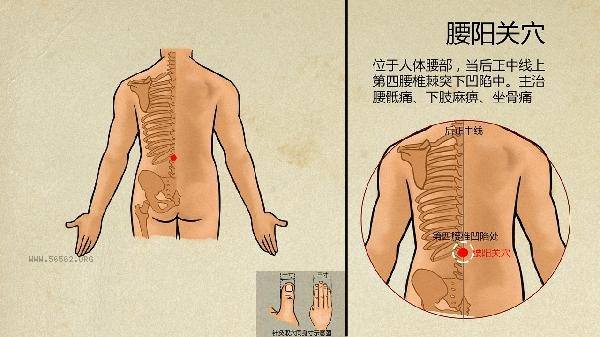
Yin deficiency and lung dryness type pulmonary nodules are accompanied by symptoms such as dry cough, less phlegm, dry throat, thirst, and night sweats, which are mostly caused by lung yin deficiency. Traditional Chinese medicine commonly uses Sha Shen Mai Dong Tang in combination with yin nourishing drugs such as lilies and Mai Dong. Patients need to avoid spicy and hot food, keep the environment humidity appropriate, and can eat some yin nourishing and lung nourishing products such as tremella, snow pear, etc.
5. Heat toxin obstructing lung type
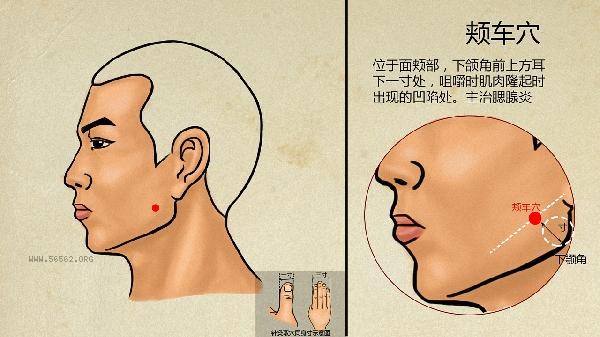
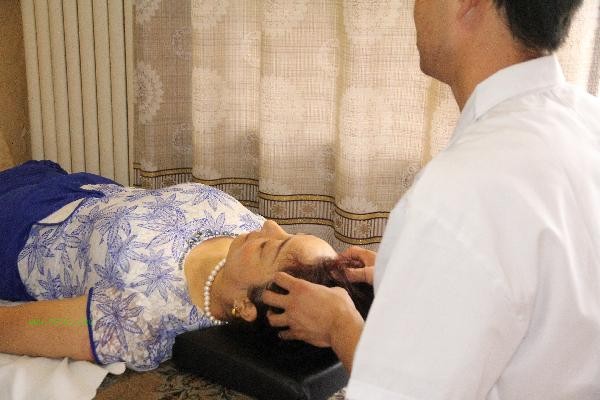
Heat toxin obstructing lung type pulmonary nodules are often caused by external heat pathogens or internal heat accumulation, and symptoms include coughing, yellow phlegm, fever, thirst, and red tongue with yellow coating. The treatment mainly focuses on clearing heat and detoxifying. Medications such as Qianjin reed stem decoction, Huangqin, and Houttuynia cordata can be used. Patients should quit smoking and limit alcohol consumption, maintain ventilation in the living room, have a light diet, and drink heat clearing drinks such as chrysanthemum tea. Patients with pulmonary nodules, regardless of their traditional Chinese medicine syndrome type, need to undergo regular chest CT scans to observe changes in the nodules. In daily life, attention should be paid to keeping warm, avoiding contact with dust and harmful gases, and maintaining moderate exercise to enhance lung function. The diet should be light and easy to digest, and the corresponding dietary therapy plan should be selected according to the constitution. If symptoms such as worsening cough, hemoptysis, and chest pain occur, timely medical attention should be sought. Combining traditional Chinese and Western medicine treatment can better control the development of the condition.





Comments (0)
Leave a Comment
No comments yet
Be the first to share your thoughts!