
The traditional Chinese medicine treatment for osteonecrosis of the femoral head mainly includes qi stagnation and blood stasis type, phlegm dampness obstructing collaterals type, liver and kidney deficiency type, qi and blood deficiency type, damp heat accumulation type, etc. Femoral head necrosis belongs to the category of traditional Chinese medicine bone erosion, which is often caused by factors such as trauma, long-term alcohol consumption, hormone use, etc., leading to poor local qi and blood circulation, and thus causing bone necrosis.
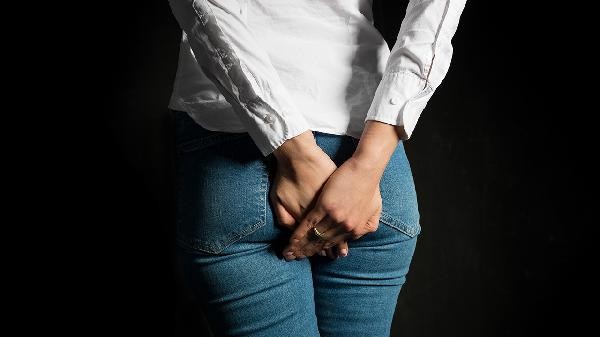
1. Qi stagnation and blood stasis type [SEP]. Qi stagnation and blood stasis type femoral head necrosis is usually characterized by hip pain, limited mobility, dark purple tongue or bruising. The treatment mainly focuses on promoting blood circulation, removing blood stasis, promoting qi circulation, and relieving pain. It can be modified with Xuefu Zhuyu Tang, and commonly used drugs include Danshen tablets, Sanqi capsules, and Honghua injection. External treatment can be combined with acupuncture and moxibustion to take Huantiao and Weizhong acupoints, or use Chinese herbal fumigation to promote local blood circulation.
2. Phlegm dampness obstruction type
Phlegm dampness obstruction type is commonly characterized by heavy hip pain, limb fatigue, and white and greasy tongue coating. The treatment requires resolving phlegm, removing dampness, unblocking meridians, and relieving pain. The formula includes Er Chen Tang combined with Huoluo Xiaoling Dan, modified, and medications such as Fuling granules, Banxia Lu, Cangshu extract tablets, etc. It can be combined with moxibustion at acupoints such as Zusanli and Fenglong, or treated with cupping therapy to eliminate dampness and evil.
3. Liver and kidney deficiency type
Liver and kidney deficiency type often presents with hip dull pain, soreness and weakness in the waist and knees, dizziness and tinnitus. Treatment should nourish the liver and kidneys, strengthen muscles and bones, and commonly use Zuo Gui Wan or You Gui Wan as the basic formula, with drugs such as Du Zhong granules, Goji berry capsules, Gui Lu Bu Shen Wan, etc. It can be combined with massage at acupoints such as Shenshu and Ganshu, and patients are advised to avoid excessive fatigue.
4. Qi and blood deficiency type
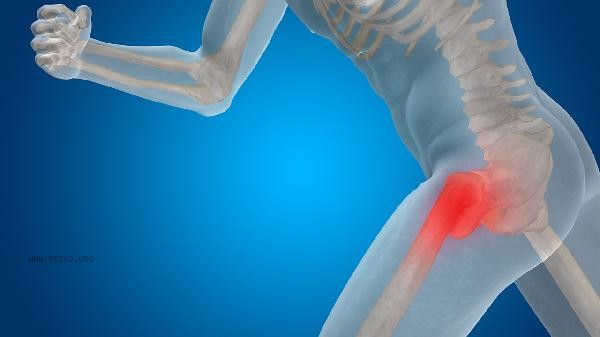
Qi and blood deficiency type is characterized by continuous pain, pale complexion, fatigue, and exhaustion. Treatment requires nourishing qi and blood, nourishing muscles and bones, and selecting modified formulas such as Bazhen Tang or Shiquan Dabu Tang. Medications such as Huangqi injection, Danggui Wan, Dangshen oral liquid, etc. Dietary therapy can include the appropriate consumption of nourishing ingredients such as yam and red dates, combined with gentle Tai Chi exercises.
5. Damp heat accumulation type
Damp heat accumulation type is commonly characterized by burning, swelling, and pain in the hip, bitter mouth, and yellow urine. Treatment should focus on clearing heat and dampness, promoting blood circulation, and relieving pain. The formula includes modified Simiao pills, as well as medications such as Huangbai capsules, Yinchenhao decoction granules, and Zexie tablets. For external treatment, pricking and bloodletting therapy can be used. Spicy and greasy food should be avoided, and Coix seed Congee should be properly drunk to help dispel dampness.
Traditional Chinese medicine treatment for osteonecrosis of the femoral head should be based on specific syndrome differentiation and treatment. During the treatment period, weight-bearing activities should be avoided, smoking and alcohol should be restricted, and attention should be paid to keeping warm. Foods rich in calcium and collagen, such as black sesame seeds and cow tendon soup, can be supplemented appropriately, and combined with guided exercises such as Ba Duan Jin to improve joint function. If conservative treatment is ineffective for 3-6 months or if femoral head collapse occurs, timely consideration should be given to integrated traditional Chinese and Western medicine treatment or surgical intervention.





Comments (0)
Leave a Comment
No comments yet
Be the first to share your thoughts!