
The examination items for female infertility mainly include hormone level testing, fallopian tube patency examination, ovarian reserve function assessment, hysteroscopy examination, immunological examination, etc. It is recommended to gradually investigate the cause according to the doctor's guidance.

1. Hormone level testing
Evaluate ovarian function and ovulation status by drawing blood to measure the levels of sex hormones such as follicle stimulating hormone, luteinizing hormone, and estradiol. Checking basal hormone levels on the 2nd to 4th day of the menstrual cycle can determine the presence of endocrine abnormalities such as polycystic ovary syndrome and premature ovarian failure. If elevated prolactin is found, further investigation of pituitary tumors may be necessary.
2. Tubal patency examination
uses hysterosalpingography or contrast-enhanced ultrasound to observe the morphology and patency of the fallopian tubes. Iodine oil contrast imaging can clearly display the site of fallopian tube obstruction, but it may cause allergic reactions. Ultrasound contrast has no radiation risk and is suitable for iodine allergy sufferers. Both can detect common problems such as hydrosalpinx and adhesions that lead to infertility.
3. Assessment of ovarian reserve function
uses anti Mullerian hormone testing combined with antral follicle counting to determine the number and quality of remaining follicles in the ovary. An AMH level below 1.1ng/ml indicates a decline in ovarian reserve function. When the total number of ovarian antral follicles counted under transvaginal ultrasound is less than 5-7, it is necessary to be alert to fertility decline.
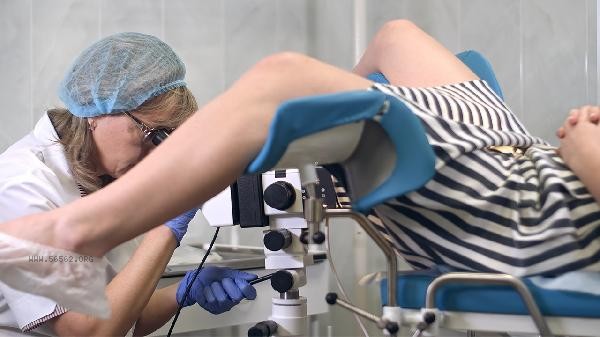
4. Hysteroscopy [SEP]: Observing the morphology of the uterine cavity and the condition of the endometrium under direct vision can diagnose organic lesions such as uterine fibroids, intrauterine adhesions, and endometrial polyps. Simultaneously perform fallopian tube catheterization and evaluate fallopian tube patency. Hysteroscopic surgery can simultaneously remove polyps, separate adhesions, and improve the uterine environment.
5. Immunological examination
detects immune indicators such as anti sperm antibodies and anti endometrial antibodies. Patients with recurrent miscarriage or infertility may experience autoantibodies attacking the embryo or sperm. Immune factors such as lack of blocking antibodies and abnormal natural killer cell activity may also interfere with embryo implantation, requiring intervention such as lymphocyte immunotherapy.
It is recommended that women preparing for pregnancy maintain a regular daily routine, avoid excessive dieting or obesity, and supplement folic acid and vitamin E in moderation. Men should undergo routine semen tests simultaneously, and both partners should jointly investigate the causes of infertility. Before the examination, the menstrual period should be avoided, and some items need to be performed during specific cycles. The examination time should be strictly arranged according to the doctor's advice. Those who have not used contraception for a long time and have not been pregnant for more than one year should seek medical attention as soon as possible, and women over 35 years old are recommended to seek medical evaluation six months in advance.









Comments (0)
Leave a Comment
No comments yet
Be the first to share your thoughts!