
The routine physical examination items for neurosurgery mainly include neurological physical examination, head CT, head MRI, electroencephalogram, transcranial Doppler ultrasound, etc. These tests help evaluate the functional status of the brain and nervous system, and identify potential lesions.
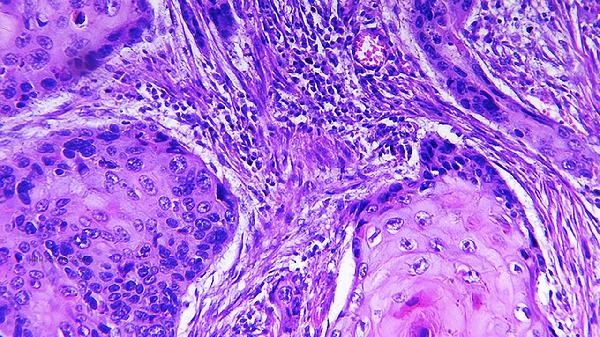
1. Neurological Physical Examination
Neurological physical examination is the most basic assessment method in neurosurgery, including consciousness status, cranial nerve function, motor system, sensory system, reflex and ataxia examinations. The doctor makes a preliminary judgment on whether there are abnormalities by observing the patient's pupil reflex, muscle strength testing, pathological examination, and other items. This examination does not require special equipment, but requires professional doctors to operate and quickly screen for obvious neurological dysfunction.
2. Head CT
Head CT uses X-ray tomography technology to clearly display brain parenchyma, ventricular system, and skull structure. It has important diagnostic value for diseases such as acute cerebral hemorrhage, skull fractures, and brain tumors. The examination process is fast and unrestricted for patients with metal implants, but there is a small amount of radiation present. Often used as the preferred imaging examination for emergency neurological diseases.
3. Head MRI
Head MRI uses strong magnetic fields and radio frequency pulses to image brain tissue with extremely high resolution, and can clearly display posterior cranial fossa structures such as brainstem and cerebellum. It is superior to CT in diagnosing cerebral infarction, encephalitis, demyelinating diseases, etc. The examination is non radiative, but time-consuming and contraindicated for patients with metal implants in the body. Functional MRI can also evaluate the activity status of brain regions.
4. Electroencephalogram
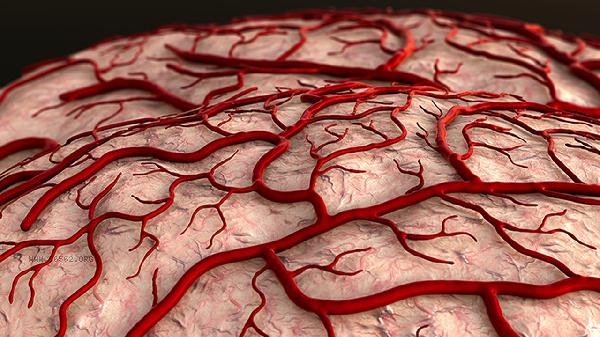
Electroencephalogram records brain electrical activity through scalp electrodes and is mainly used for the diagnosis and evaluation of diseases such as epilepsy and consciousness disorders. Examination can detect abnormal brain waves, such as spike waves, slow waves, etc. Dynamic electroencephalogram can monitor for a long time and improve the detection rate of epilepsy. The examination is non-invasive and painless, but the results are susceptible to environmental interference and require professional interpretation.
5. Transcranial Doppler Ultrasound
Transcranial Doppler ultrasound uses ultrasound to evaluate intracranial vascular blood flow velocity, which can indirectly reflect vascular stenosis, spasm, and other conditions. It is often used to screen cerebrovascular diseases, such as atherosclerosis, vascular malformations, etc. The inspection is simple, fast, and radiation free, but it requires high technical skills from the operator due to the influence of skull thickness. Can be repeated for treatment efficacy evaluation. After the neurosurgery physical examination, lifestyle adjustments should be made according to the results. Maintain a regular schedule to avoid staying up late and control underlying diseases such as hypertension and high blood sugar. Pay attention to low salt and low-fat diet, and supplement foods rich in omega-3 fatty acids in moderation. Avoid head trauma and engage in moderate exercise to enhance cardiovascular and pulmonary function. If symptoms such as persistent headache and limb weakness occur, timely follow-up examination should be conducted. Regular physical examinations can help detect neurological abnormalities early, and it is recommended to develop personalized examination plans based on the guidance of doctors.








Comments (0)
Leave a Comment
No comments yet
Be the first to share your thoughts!